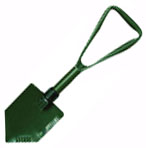
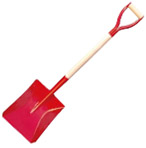
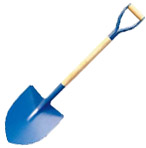
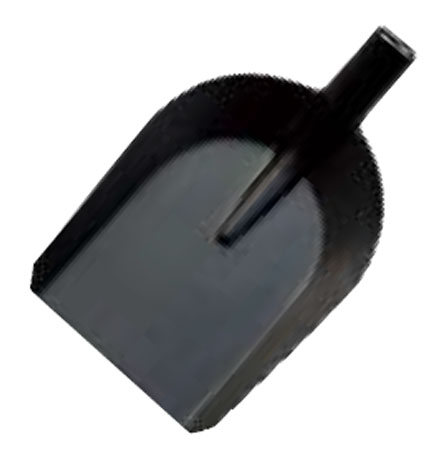
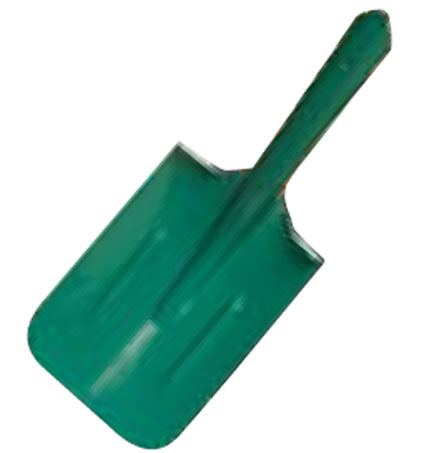
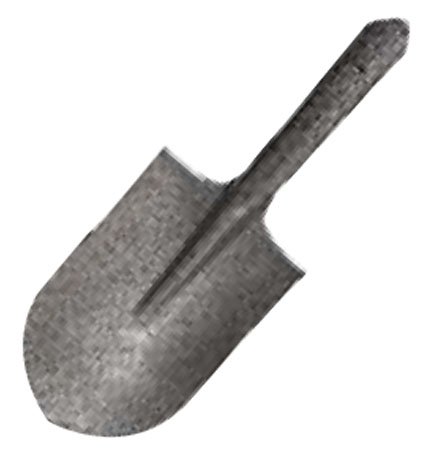
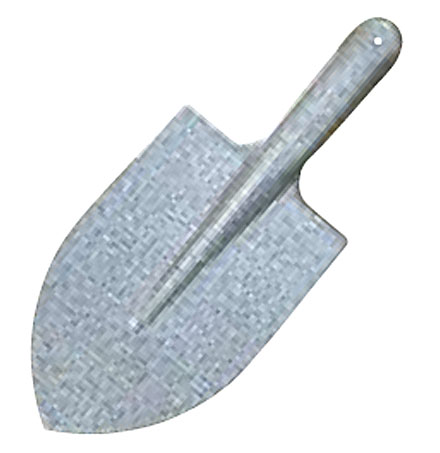
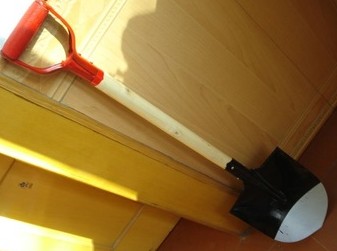
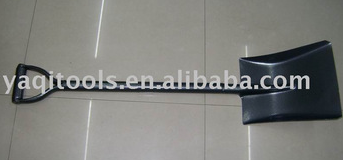
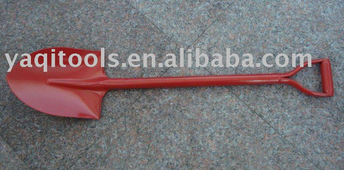
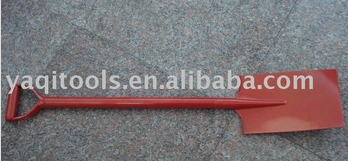
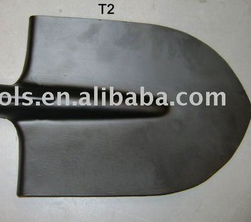
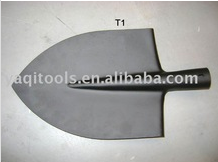
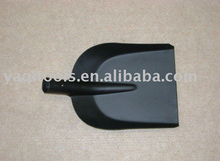
Shovels
Source bulk shovels from vetted suppliers and manufacturers across Asia. Designed for hardware importers, agricultural distributors, and garden tool brands seeking reliable OEM/ODM production, our network delivers high-volume manufacturing with strict quality control and competitive wholesale pricing.
Sourcing shovels in bulk requires a careful balance between unit cost and structural integrity. Whether you are importing standard garden tools or developing heavy-duty contractor equipment, the core challenge lies in verifying factory capabilities—specifically their metallurgy, heat treatment processes, and assembly tolerances. A shovel is only as strong as its weakest point, which is usually the socket connection or the temper of the blade.
Blade Metallurgy and Heat Treatment
The majority of mass-market and professional shovels are manufactured from carbon steel, though aluminum and stainless steel are utilized for specialized applications. The critical differentiator between a consumer-grade shovel and a professional-grade tool is the steel grade and the precision of the heat treatment process.
Most Chinese manufacturers default to 50Mn or 65Mn carbon steel for stamped blades. Without proper heat treatment, these blades will either bend under load (if too soft) or chip and crack (if too brittle).
| Blade Material | Typical Hardness | Primary Application |
|---|---|---|
| 50Mn Carbon Steel | HRC 40-45 | Standard residential garden tools |
| 65Mn Carbon Steel | HRC 45-50 | Contractor and heavy-duty industrial |
| Stainless Steel (304/430) | HRC 35-40 | Corrosion-resistant & sanitary environments |
| Aluminum Alloy | Depends on temper | Snow, grain, and lightweight scoops |
When qualifying a supplier, it is essential to review their furnace setups. Continuous mesh belt furnaces generally provide more consistent tempering across large batches compared to older batch furnaces.
Need to verify a factory's metallurgical capabilities? We audit heat treatment processes and verify steel grades before production begins.
Talk to our teamHandle Materials and Socket Assembly
The transition point where the handle meets the blade socket is the most common failure point in a shovel. Manufacturers use various methods to secure the handle, typically involving a combination of friction fits, rivets, or heavy-duty collars.
- Fiberglass: Highly durable and weather-resistant. Often constructed with a solid fiberglass core at the base and a hollow pultruded upper shaft. Requires strict quality control to prevent splintering and ensure the epoxy bond inside the socket holds.
- Wood (Ash or Hickory): Traditional and preferred by many professionals for its flex. Ash is standard for imported shovels, but the grain orientation must be perpendicular to the blade to prevent snapping. Moisture content must be strictly controlled (typically between 8 and 12 percent) to prevent shrinkage in transit.
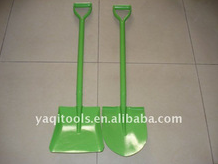
- Steel: Used for heavy-duty, all-metal shovels. These require flawless welding at the socket to prevent fatigue failures.
For brands requiring custom handle molds or proprietary D-grips (often made from injected PP and TPR), partnering with factories experienced in OEM/ODM production is vital to ensure the tooling belongs to your brand and the plastics are UV-stabilized.
Quality Control Defect Checklist
Catching defects before a container is loaded is critical. Standard pre-shipment quality control for shovels involves both visual inspections and destructive testing.
Critical Shovel QC Checks
- Hardness Testing: Verifying HRC matches specifications at multiple points on the blade.
- Cantilever Load Test: Applying static weight to the blade while the handle is secured to ensure it meets minimum bending moments.
- Handle Moisture Content: Checking wood handles with a moisture meter to prevent post-shipment shrinkage.
- Coating Adhesion: Performing cross-hatch adhesion tests on powder-coated blades to prevent premature rusting.
- Rivet/Weld Integrity: Inspecting the socket connection for flush rivets and complete weld penetration on closed-back designs.
Typical MOQs, Pricing, and Lead Times
Tool and hardware factories in hubs like Shandong, Zhejiang, and Hebei operate on volume. Pricing is heavily influenced by the current cost of raw steel and the complexity of the stamping dies.
When negotiating MOQs, factories may be flexible if you are ordering multiple shovel variants that share the same handle components or blade blanks. However, pushing for prices significantly below market average usually results in compromised heat treatment or thinner steel gauges. Conducting thorough factory audits is the most effective way to ensure a low quoted price isn't a result of substandard manufacturing practices.
Struggling with inconsistent quality or inflexible MOQs? Let us match you with vetted hardware manufacturers that align with your volume and quality requirements.
Get a free consultationFrequently Asked Questions
Successfully sourcing shovels at scale means looking past the surface finish and focusing on the metallurgy, assembly tolerances, and factory testing protocols. By establishing clear specifications for steel grades, hardness, and load-bearing capacity upfront, buyers can significantly reduce defect rates and build a reliable, profitable product line.
Get Sourcing Help for Shovels
Tell us your requirements and our experts will connect you with verified manufacturers.