Shotcrete Machines
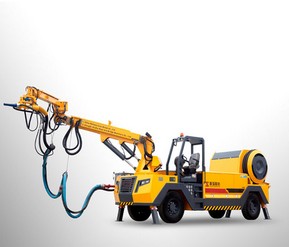
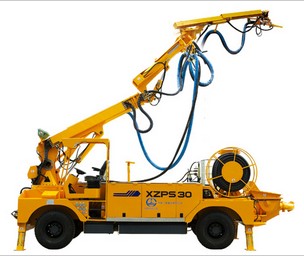
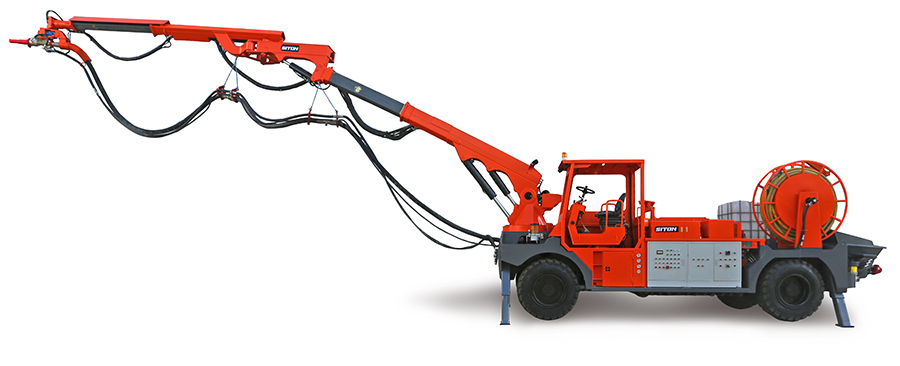
Source industrial-grade shotcrete machines directly from vetted manufacturers and suppliers. Designed for construction equipment importers, wholesalers, and distributors, our network provides reliable wet and dry spraying equipment for bulk purchasing and OEM production. Secure competitive pricing and reliable performance today.
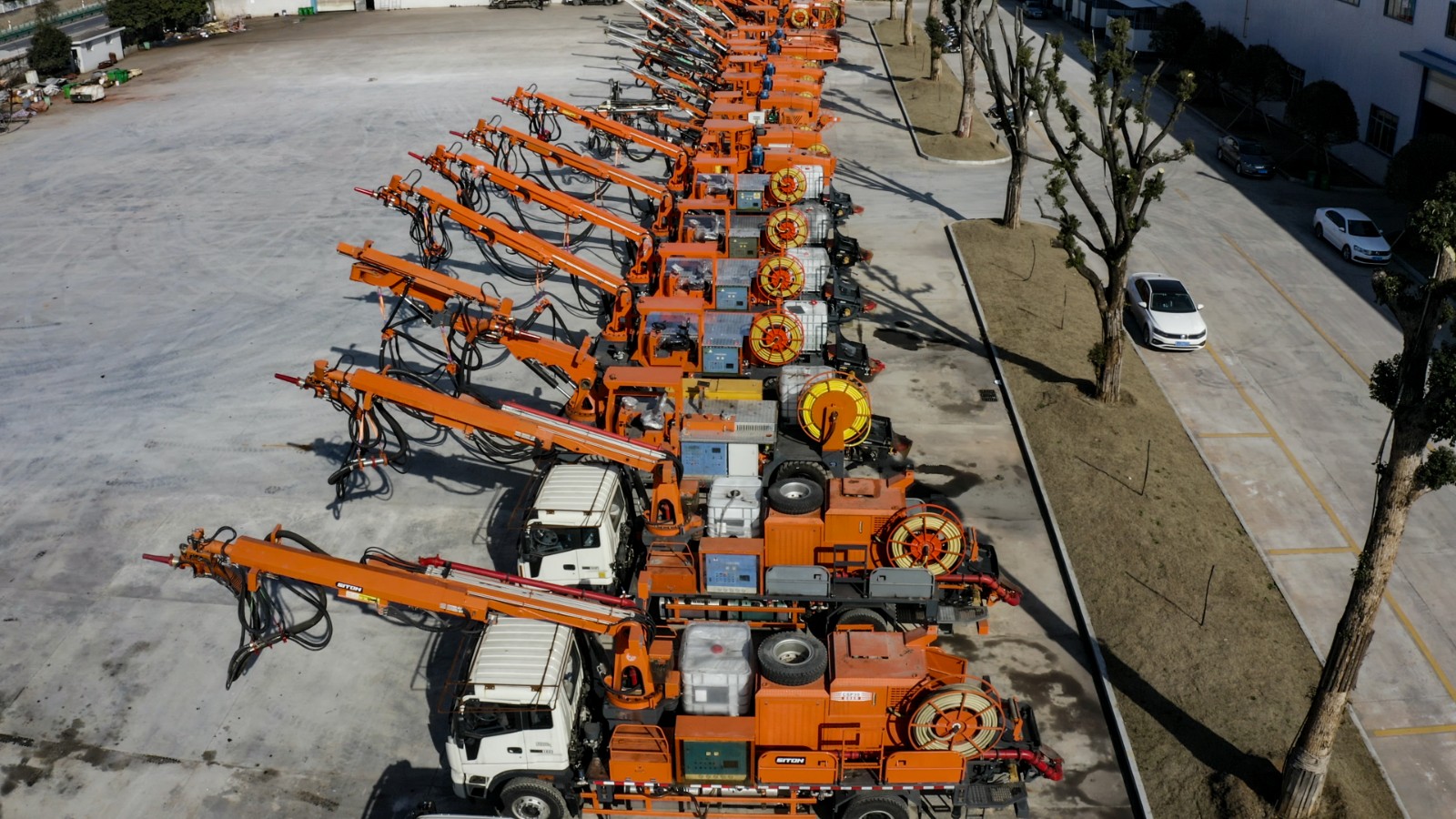
Procuring shotcrete machines at scale requires navigating a fragmented manufacturing landscape where the line between an integrated factory and an opportunistic trading company is often blurred. Because these units operate in severe environments—tunneling, mining, and slope stabilization—premature failure of wear parts or hydraulic systems translates directly to costly site downtime. Successful sourcing hinges on verifying component origins, auditing factory assembly standards, and ensuring strict compliance with regional safety certifications.
Defining the Core Specifications
When communicating with manufacturers, vague requirements lead to underpowered equipment or incompatible power configurations. You must define the operational parameters precisely so the factory can match the rotor or piston pump configuration to your exact needs.
- Output Capacity: Typically measured in cubic meters per hour (m3/h). Standard dry-mix machines range from 3 to 9 m3/h, while heavy-duty wet-mix piston pumps can deliver 10 to 30 m3/h or more.
- Maximum Aggregate Size: Rotor-type machines generally handle aggregates up to 20mm. Piston-type wet-mix machines can handle larger aggregates, but exceeding the specified limit will cause rapid blockage and wear.
- Conveying Distance: Specify both horizontal and vertical requirements. A standard unit might push material 200 meters horizontally or 20 meters vertically, but this is heavily dependent on the paired air compressor's CFM rating.
- Power Source: Electric motors (380V/50Hz or custom configurations) are standard for stable sites. Diesel engines (often Cummins or Deutz clones) are required for remote mining, while pneumatic motors are essential for explosive environments like coal mines.
Need help matching equipment specifications to a reliable manufacturer?
Talk to our teamWet-Mix vs. Dry-Mix Sourcing Considerations
The choice between wet-mix and dry-mix technologies fundamentally changes the manufacturing complexity and the components you need to inspect.
| System Type | Mechanism | Manufacturing Complexity | Typical Wear Parts |
|---|---|---|---|
| Dry-Mix | Rotor / Stator | Low to Medium | Rubber sealing plates, rotor bodies, steel liners |
| Wet-Mix | Hydraulic Piston Pump | High | S-valves, delivery cylinders, hydraulic seals |
Dry-mix machines are relatively simple, relying on the tight tolerance between the rotor and the sealing plates. Wet-mix machines rely on complex hydraulic circuits. If a factory lacks a dedicated clean room for hydraulic assembly, contamination is highly likely.
Manufacturing Quality and Wear Parts
The profitability of importing shotcrete machines often comes down to the lifespan of the wear parts. Factories competing strictly on price will compromise on the metallurgy of the rotor body or the synthetic rubber blend of the sealing plates.
When establishing your supply chain, implementing rigorous Quality Control & Inspection protocols at the factory level is critical. Do not wait for the equipment to arrive at the destination port to discover that the hopper welds are porous or the electrical panels lack IP65 protection.
Critical Factory-Level Inspection Points
- Sealing Plate Durability: Verify the shore hardness of rubber seals and the heat treatment of steel friction plates.
- Hydraulic Integrity: Require sustained pressure testing on piston-pump models to check for valve bypass or seal leakage.
- Electrical Safety: Ensure control panels use recognized contactor brands (e.g., Schneider, Siemens) and meet CE/UL standards.
- Chassis and Welding: Inspect frame welds for penetration and consistency, as these machines endure constant high-frequency vibration.
Pricing, MOQs, and Production Lead Times
Because shotcrete machines are high-value capital equipment, Minimum Order Quantities (MOQs) are highly flexible. Most factories accept an MOQ of 1 unit, though pricing scales favorably when ordering enough units to fill a 20ft or 40ft container.
- Standard Lead Times: 15 to 25 days for standard configurations (standard electric motors, typical output capacities).
- Custom/OEM Lead Times: 30 to 45 days if you require custom voltage configurations, specific diesel engine brands, or custom branding and paint schemes.
- Consumables Strategy: Always negotiate a bulk package of wear parts (delivery hoses, nozzles, sealing plates) to ship inside the same container. The markup on these parts is lower at the factory level, and having them on hand is a major selling point for your end-users.
To ensure you are dealing with a manufacturer capable of meeting these timelines and supporting warranty claims, conducting thorough Factory Audits before placing a deposit is non-negotiable.
Evaluate factory capabilities and negotiate better container pricing.
Get a free consultationFrequently Asked Questions
Optimizing Your Heavy Machinery Supply Chain
Sourcing shotcrete machinery is an exercise in risk management. The initial unit price is only one factor; the true cost includes the reliability of the hydraulic systems, the longevity of the wear parts, and the efficiency of the international logistics. By verifying factory capabilities and managing the Shipping & Freight process meticulously, you can build a highly profitable, reliable equipment supply chain.
Get Sourcing Help for Shotcrete Machines
Tell us your requirements and our experts will connect you with verified manufacturers.