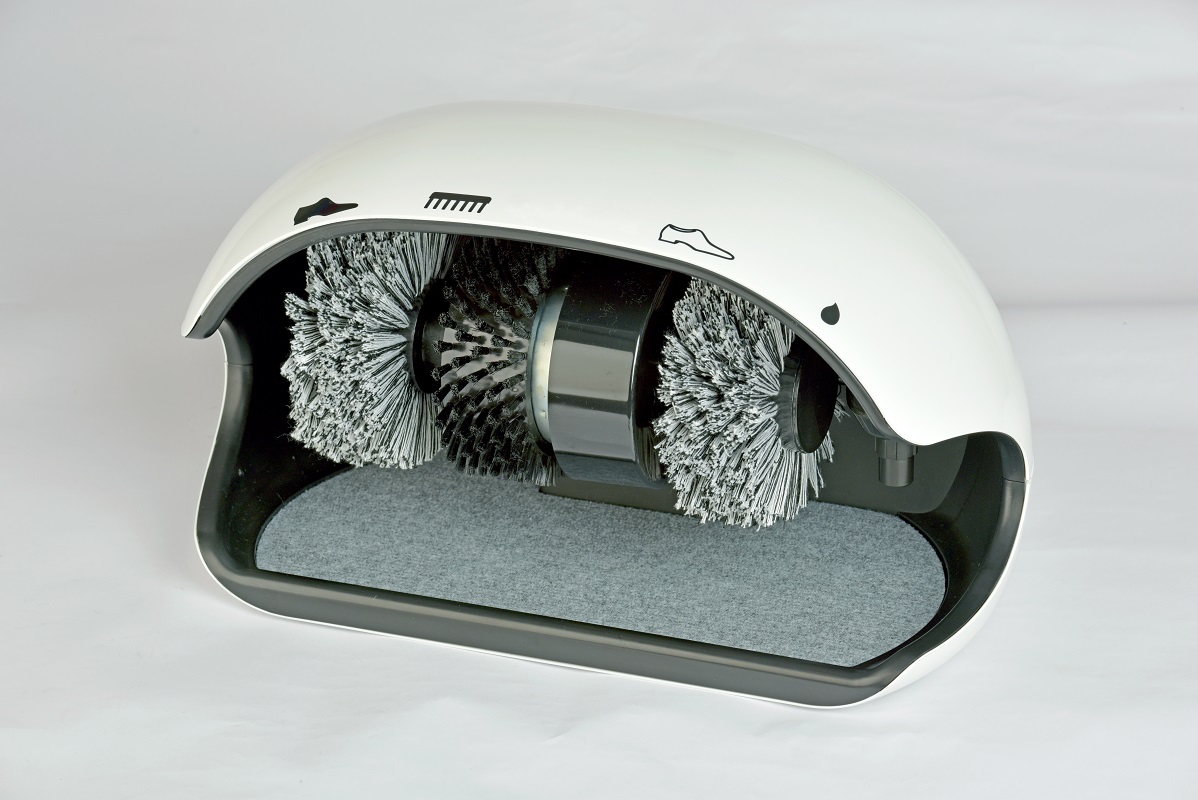
Shoe Polish
Source high-quality shoe polish from vetted manufacturers and suppliers. Designed for wholesalers, distributors, and footwear brands seeking reliable bulk purchasing or custom OEM/private-label production. Explore our network for competitive pricing and consistent quality across wax, cream, and liquid formulations.
Sourcing shoe polish at scale requires strict control over chemical formulations, solvent ratios, and packaging integrity. A minor deviation in pouring temperature or a faulty tin seal can lead to cracked, dried-out inventory long before it reaches the retail shelf. For volume buyers, securing a reliable supply chain means vetting factories not just on price, but on their chemical blending capabilities and quality assurance protocols.
Formulations and Chemical Specifications
The core of any shoe polish lies in its base formulation. Factories typically specialize in specific emulsion types, and your choice dictates the manufacturing process, the required raw materials, and the final packaging format.
| Formulation Type | Primary Composition | Performance Focus | Typical Packaging |
|---|---|---|---|
| Paste/Wax Polish | Carnauba/Beeswax + Solvents (Naphtha/Turpentine) | High gloss, water resistance, scuff protection | Tinplate cans (butterfly twist mechanism) |
| Cream Polish | Emulsion (Water/Oil/Wax blend) | Leather nourishment, deep color restoration | Glass jars, aluminum tubes, plastic jars |
| Liquid Polish | Polymer/Silicone water-based emulsion | Instant shine, fast and convenient application | Plastic bottles with integrated sponge applicator |
When developing a private label line, you must specify the exact wax ratios. Premium paste polishes rely heavily on high-grade carnauba wax for a harder, longer-lasting shine, whereas budget options substitute higher percentages of paraffin.
Need to match a specific formulation or develop a custom private-label shoe care line? Our sourcing experts can connect you with factories capable of precise chemical blending.
Talk to our teamManufacturing Risks and Quality Control
Shoe polish manufacturing is highly sensitive to environmental conditions on the factory floor. The most common defects arise during the heating, mixing, and cooling phases.
For paste waxes, the mixture is poured hot into tins and must pass through a cooling tunnel. If the cooling process is rushed or uneven, the wax will contract too quickly, leading to severe cracking and separation from the tin walls. This not only looks unappealing but accelerates solvent evaporation.
Implementing rigorous Quality Control & Inspection is non-negotiable. Inspectors should verify production parameters in-line, not just pre-shipment.
Critical Factory Inspection Points
- Cooling tunnel temperature calibration (prevents paste wax cracking)
- Tinplate internal anti-corrosion coating integrity (prevents rust from solvent reaction)
- Sponge applicator adhesion strength (prevents sponge tearing off liquid bottles)
- Pigment dispersion consistency (ensures even color application without streaking)
- Seal integrity testing (vacuum testing to ensure solvents do not evaporate in transit)
Packaging and Private Label Customization
Packaging is functionally critical for shoe polish. Solvents like naphtha are highly volatile; if a tinplate can lacks a perfect seal, the product will dry into an unusable puck within months.
When utilizing OEM/ODM Services for your brand, pay close attention to the packaging components. Tinplate cans must feature a reliable "butterfly" twist-open mechanism, as the vacuum created by the cooling wax makes them otherwise difficult to open. For liquid polishes, the quality of the polyurethane sponge and the internal spring-loaded valve determines the product's lifespan and user experience.
Pricing, MOQs, and Lead Times
Shoe polish production is highly automated, meaning factories require substantial minimum order quantities to justify halting a line to clean vats and switch pigment colors.
Pricing is heavily influenced by the raw material indices of carnauba wax, petroleum-based solvents, and the cost of tinplate. Volume buyers should lock in raw material costs when placing large, staggered orders.
Struggling with high MOQs across multiple color SKUs? We help buyers consolidate orders and negotiate workable terms with top-tier chemical manufacturers.
Get a free consultationFrequently Asked Questions
Navigating the chemical specifications, VOC regulations, and packaging tolerances of shoe polish requires a detail-oriented approach. Securing a manufacturer with a proven track record in stable emulsion blending and proper Compliance & Testing ensures your product performs flawlessly from the first application to the bottom of the tin.
Get Sourcing Help for Shoe Polish
Tell us your requirements and our experts will connect you with verified manufacturers.