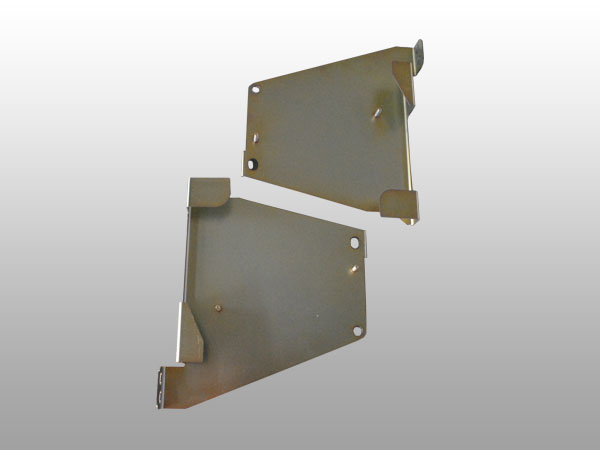
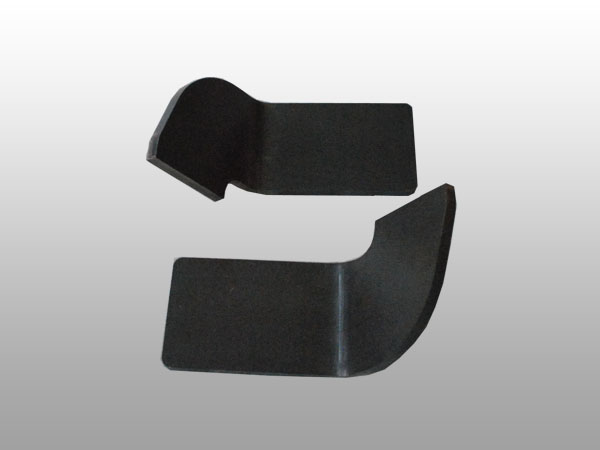
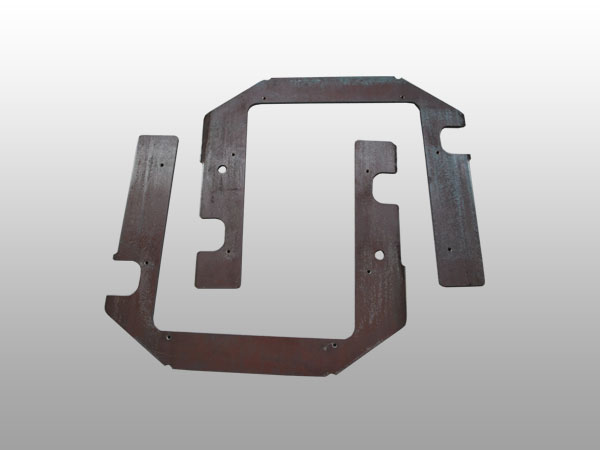
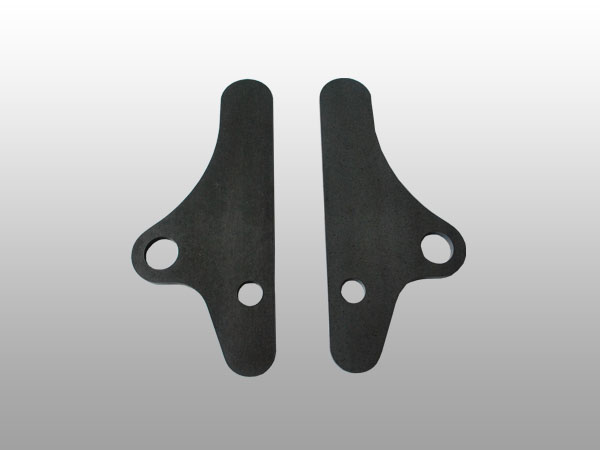
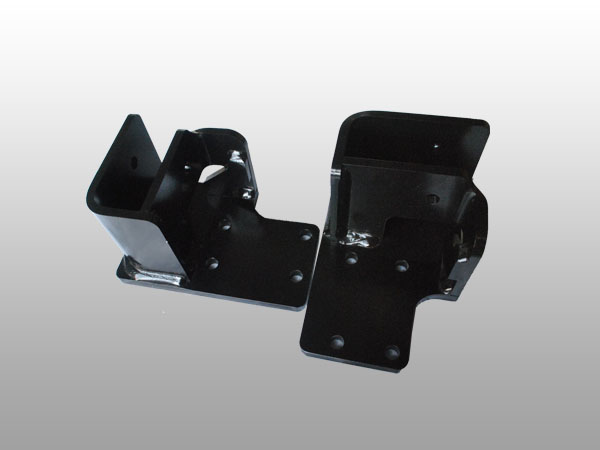
Sheet Metal Fabrication
Source precision sheet metal fabrication services from vetted manufacturers and suppliers. Designed for importers, distributors, and brands requiring reliable OEM production in volume, our network delivers custom cutting, bending, and finishing to exact tolerances for your bulk sourcing needs.
Sourcing sheet metal fabrication at scale requires balancing dimensional accuracy, material yield, and consistent finishing. The transition from prototyping to volume production often exposes supplier limitations in press brake calibration, welding consistency, and raw material sourcing. Successfully managing these variables across thousands of units demands rigorous supplier qualification and tight production controls.
Specifying Sheet Metal Projects
Vague specifications are the leading cause of cost overruns and rejected batches. Professional fabrication requires precise callouts for material grades, thicknesses (using exact millimeters rather than gauge numbers to avoid regional confusion), and dimensional tolerances.
Common materials sourced for high-volume fabrication include:
- Cold Rolled Steel (SPCC): Cost-effective, excellent formability, but requires immediate surface treatment to prevent oxidation.
- Galvanized Steel (SGCC/SECC): Pre-coated for corrosion resistance, ideal for enclosures.
- Stainless Steel (SUS304 / SUS316): High strength and corrosion resistance. SUS316 is mandatory for marine or medical applications.
- Aluminum (AL5052 / AL6061): AL5052 is the standard for bending and forming. AL6061 is stronger but prone to cracking if bent at tight radii.
When defining tolerances, rely on established standards like ISO 2768 (typically class 'm' for medium or 'f' for fine). Expecting tighter tolerances than necessary will exponentially increase your scrap rate and unit cost.
Need to verify a factory's CNC and welding capabilities before placing a volume production order?
Talk to our teamManufacturing Processes and Quality Control
Sheet metal fabrication involves multiple sequential operations. A failure at the cutting stage will compound during bending and welding. Evaluating a factory's capabilities requires looking at their entire production line.
Cutting and Punching
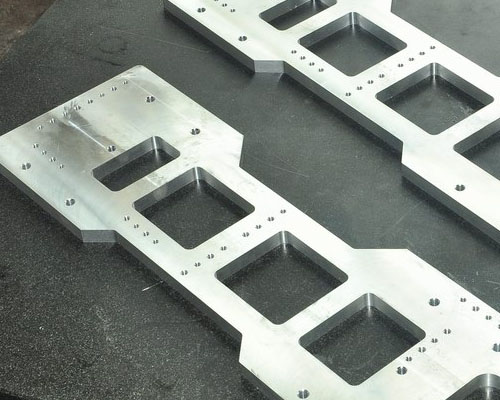
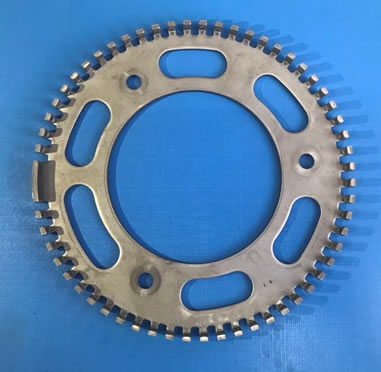
Laser cutting offers flexibility for complex profiles, while CNC turret punching (NCT) is faster for parts with multiple standard holes or louvers. Watch for excessive burrs or dross, which indicate poor machine maintenance or incorrect gas pressure.
Bending and Forming
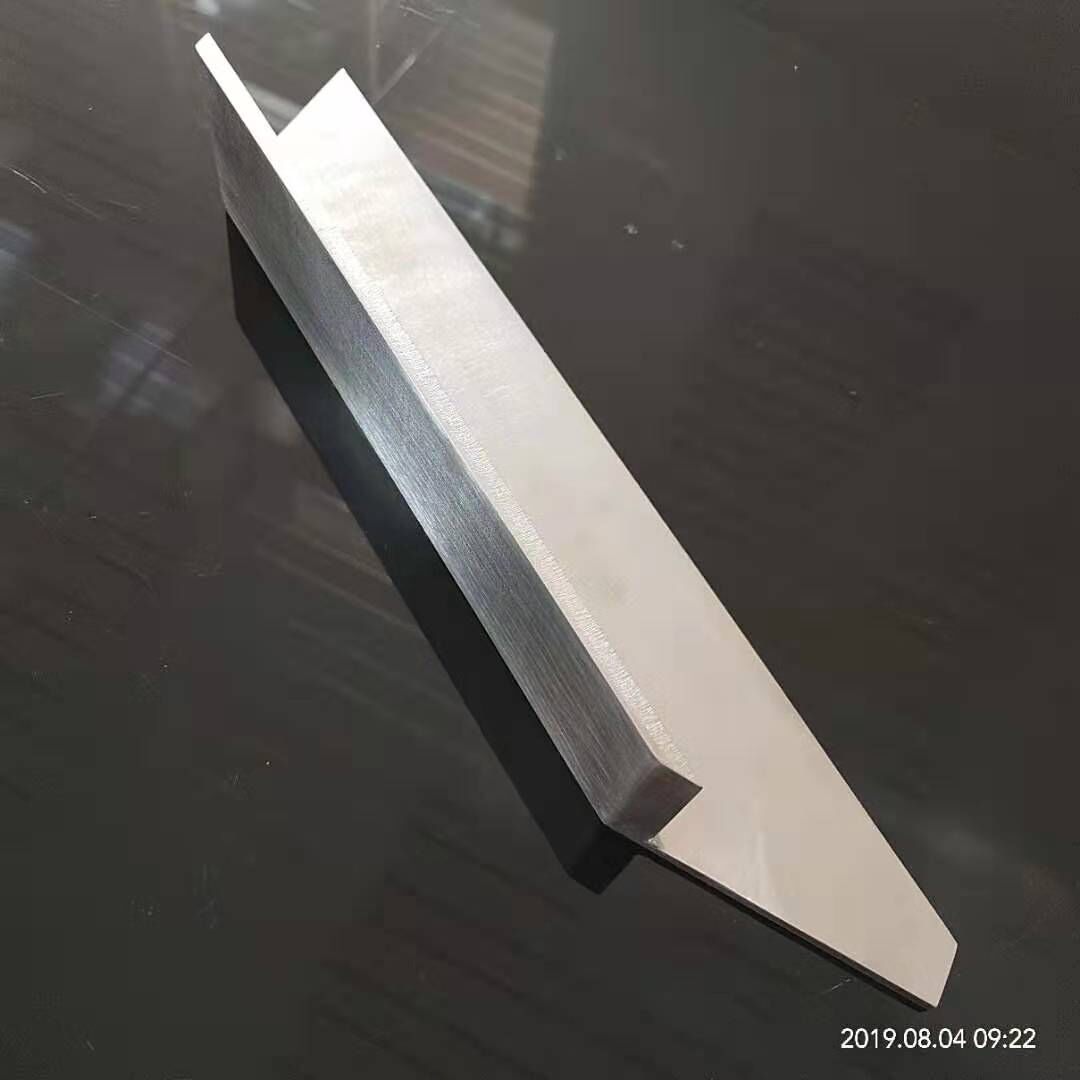
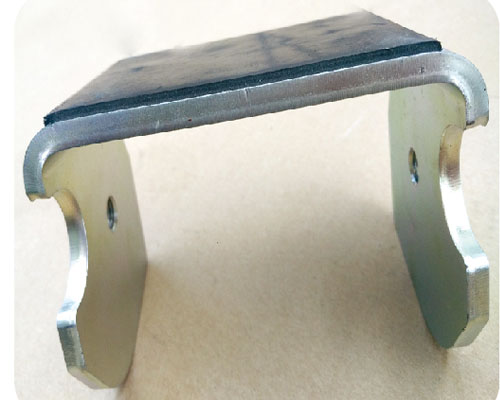
Press brake operations must account for material springback. Consistent bend angles depend on the factory's tooling library and the operator's skill in setting up the backgauges.
Welding and Grinding
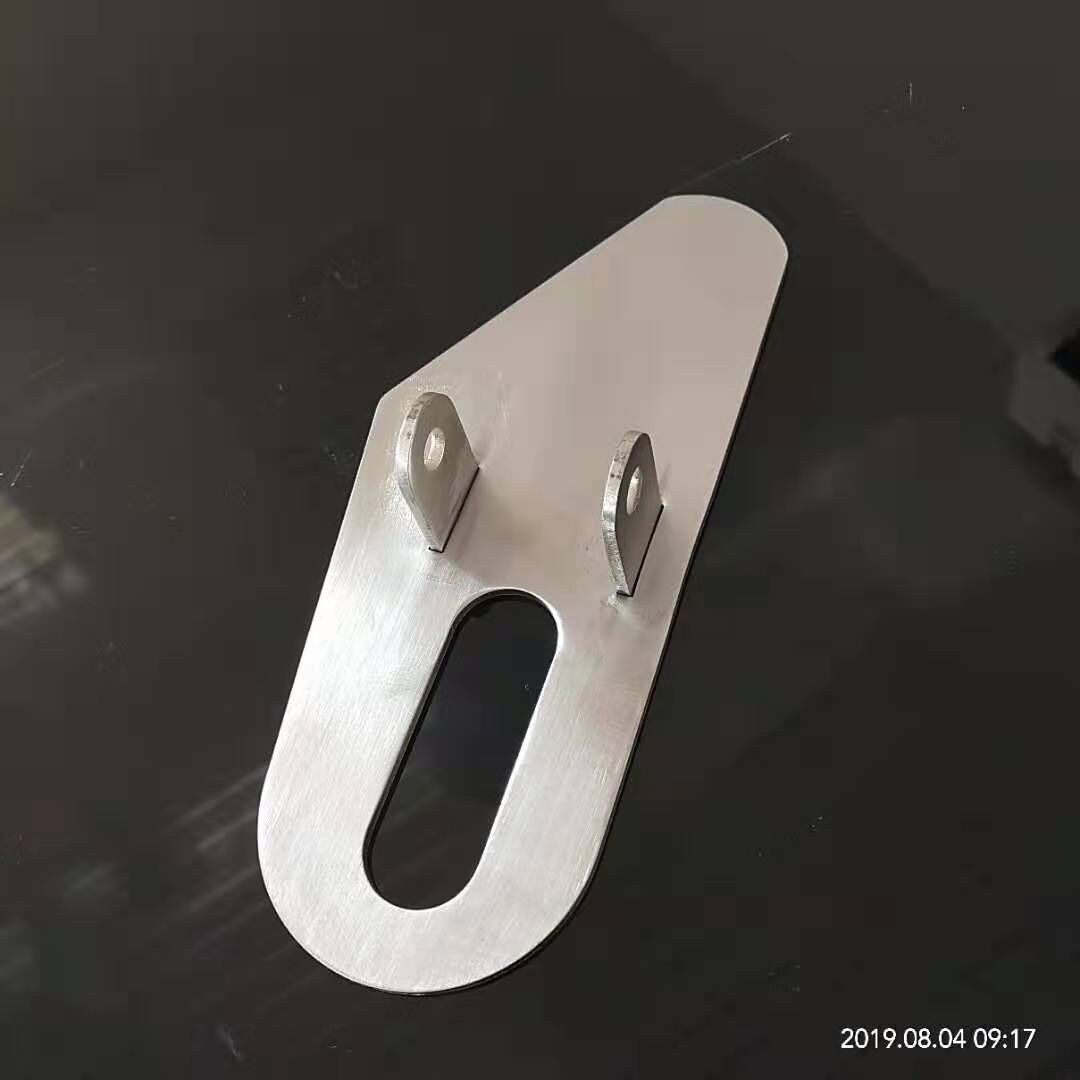
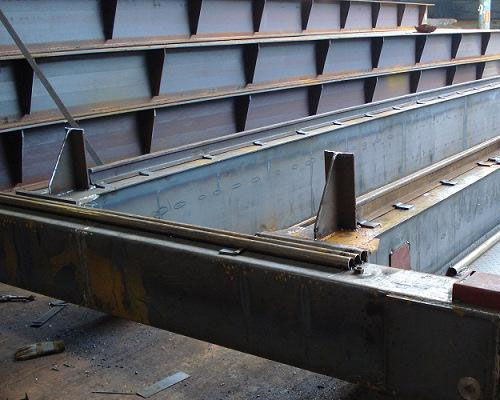
TIG, MIG, and spot welding are standard. High-quality suppliers will grind and polish welds flush before powder coating to ensure a seamless cosmetic finish.
Surface Treatment
Whether powder coating, anodizing, or plating, pre-treatment (like phosphating or sandblasting) is critical. Poor pre-treatment leads to flaking and rapid corrosion.
If you are scaling up custom designs, utilizing professional OEM/ODM Services ensures that your CAD files are properly translated into manufacturing instructions that match the specific machinery on the factory floor.
Pre-Shipment Defect Checklist
Do not wait for goods to arrive to discover tolerance issues. Implementing strict Quality Control & Inspection at the factory is essential.
Critical Sheet Metal QC Checks
- Dimensional accuracy against 2D drawings using calibrated calipers and height gauges.
- Bend angle verification using protractors to check for springback deviation.
- Visual inspection for burrs, sharp edges, and tool marks from the press brake.
- Weld penetration and porosity checks (visual or dye penetrant for critical joints).
- Coating thickness measurement (using a mil gauge) and cross-hatch adhesion testing.
Production Economics: Tooling vs. Unit Cost
The optimal manufacturing method depends entirely on your order volume. Buyers must choose between soft tooling (NCT/Laser) and hard tooling (Stamping).
| Factor | NCT / Laser & Press Brake | Progressive Stamping |
|---|---|---|
| Setup & Tooling Cost | Low to Moderate | Very High (Die fabrication) |
| Unit Cost | Higher (labor intensive) | Very Low |
| Lead Time for First Article | 1 to 2 Weeks | 4 to 8 Weeks |
| Ideal Production Volume | Under 5,000 units | Over 10,000 units |
Typical MOQs and Lead Times
While soft tooling allows for lower MOQs, most serious fabrication facilities in Asia require minimum runs to justify machine setup times.
Struggling to balance tooling investments with unit costs on a new product line?
Get a free consultationBefore committing to expensive hard tooling, conducting thorough Factory Audits is highly recommended to ensure the supplier has the financial stability and engineering capacity to maintain your dies over their expected lifespan. Furthermore, because sheet metal parts are often bulky and ship with a high volume-to-weight ratio, coordinating efficient Shipping & Freight is critical to keeping landed costs competitive.
Frequently Asked Questions
Scaling sheet metal fabrication requires moving beyond basic supplier matchmaking. It demands rigorous engineering alignment, continuous quality oversight, and a clear strategy for managing tooling lifecycle and logistics. Focusing on strict process controls at the factory level is the most reliable way to secure consistent, high-quality bulk production.
Get Sourcing Help for Sheet Metal Fabrication
Tell us your requirements and our experts will connect you with verified manufacturers.