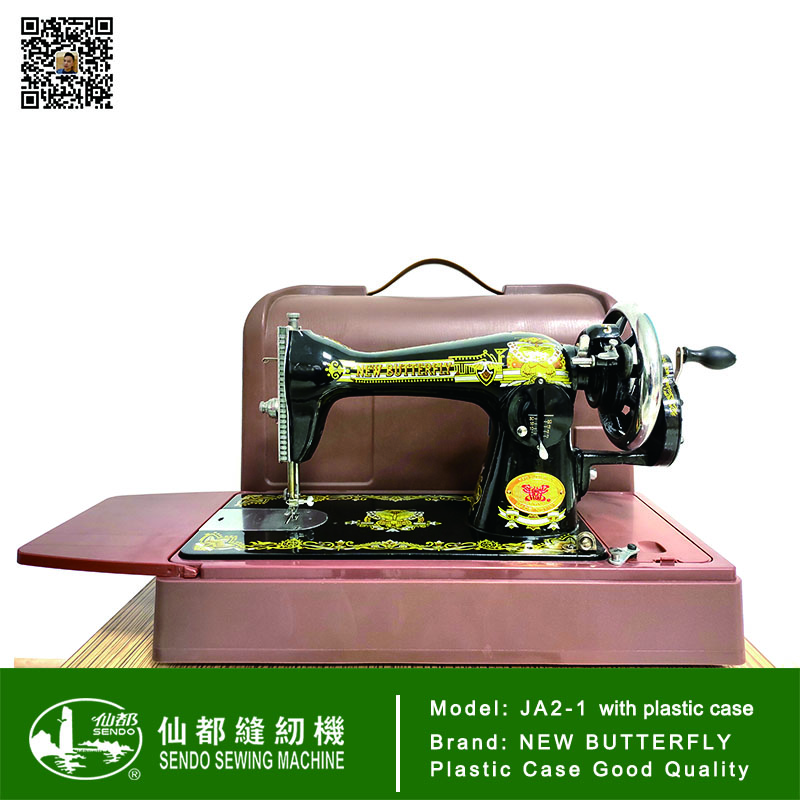
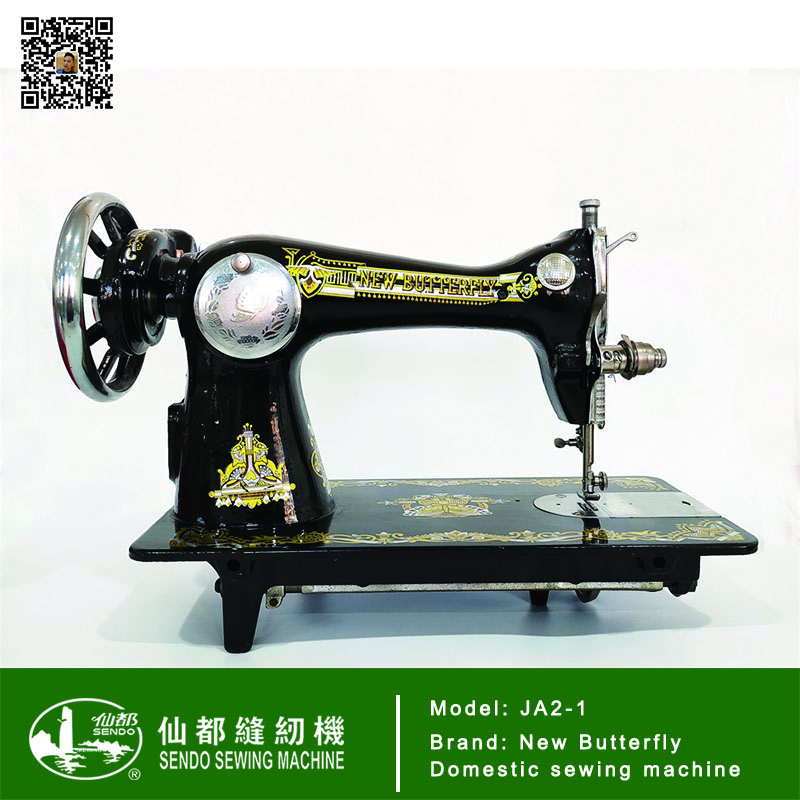
Sewing Machine
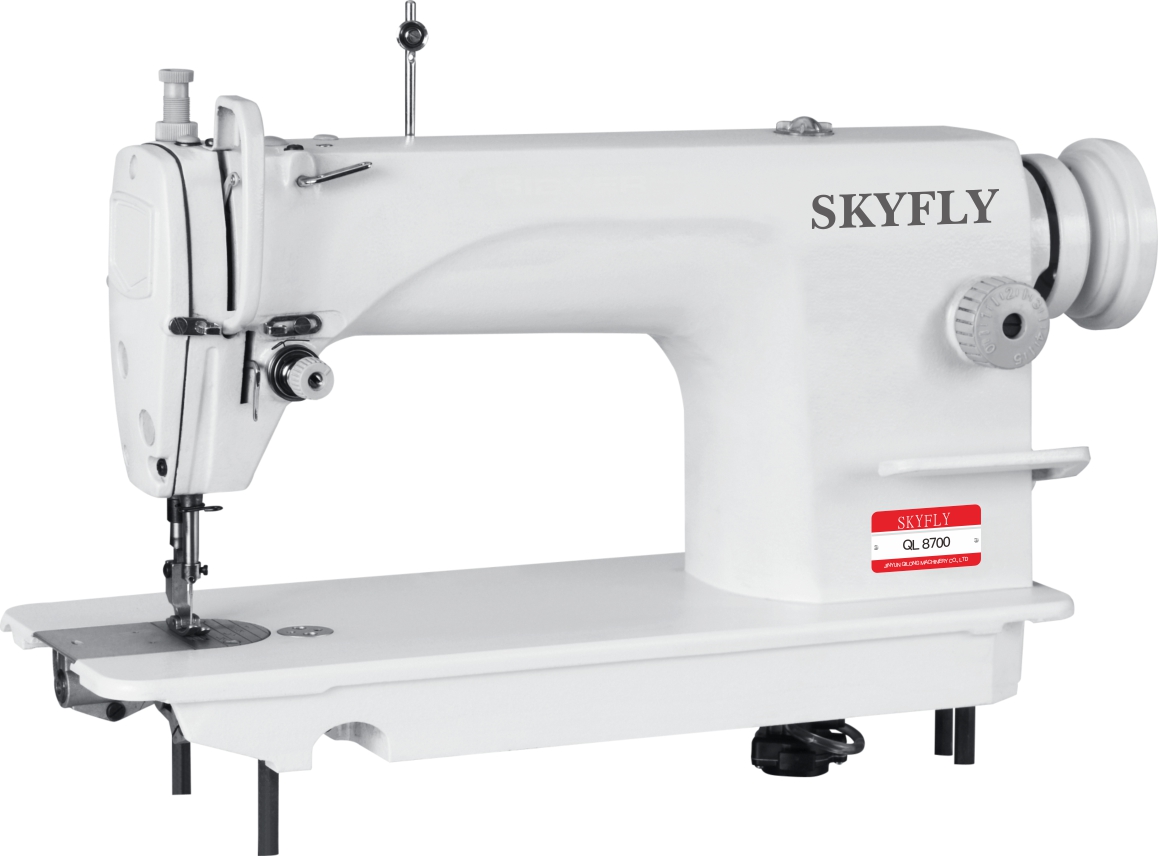
Source commercial and industrial sewing machines from vetted manufacturers and suppliers. Designed for importers, wholesale distributors, and apparel brands seeking reliable bulk purchasing or custom OEM production. Ensure high-speed performance and precision for your textile manufacturing needs.
Sourcing industrial sewing machines involves navigating a complex supply chain of casting foundries, motor manufacturers, and final assembly plants. For bulk buyers, the challenge isn't just finding a supplier, but identifying one with strict machining tolerances for internal components and reliable electronic control systems that can withstand continuous, high-speed operation.
Critical Specifications and Component Sourcing
An industrial sewing machine's longevity is dictated by its drive system, feed mechanism, and the precision of its rotary hooks. When evaluating factory capabilities, pay close attention to the origin and quality of these core components.
Many modern machines utilize direct-drive servo motors integrated directly into the machine head, replacing traditional under-table clutch motors. This reduces vibration, cuts power consumption by up to 70 percent, and allows for precise needle positioning.
| Motor Type | Power Consumption | Vibration & Noise | Best Application |
|---|---|---|---|
| Direct-Drive Servo | Low | Minimal | High-precision, continuous industrial use |
| Belt-Drive Servo | Low | Moderate | Standard commercial applications |
| Traditional Clutch | High | High | Heavy-duty legacy systems (phasing out) |
Beyond the motor, the quality of the main body casting is paramount. High-density cast iron or specialized aluminum alloys are required to absorb the kinetic energy of high-speed stitching (often exceeding 5,000 stitches per minute). Poor casting leads to micro-vibrations, resulting in skipped stitches and accelerated wear on the rotary hook.
Evaluating machinery suppliers requires on-the-ground engineering expertise. We verify production capabilities and component supply chains before you commit capital.
Talk to our teamManufacturing Realities and Quality Control
The sewing machine manufacturing sector in Asia ranges from fully integrated high-tech facilities to small-scale assembly workshops that purchase generic parts on the open market. Distinguishing between the two requires comprehensive Factory Audits to verify that the supplier actually machines their own critical parts or sources them from reputable Japanese or Taiwanese component brands (such as Koban or Hirose hooks).
When executing Quality Control & Inspection prior to shipment, inspectors must look beyond cosmetic defects and test the machine under load.
Pre-Shipment Inspection Focus Areas
- Dynamic testing: Run machines at maximum RPM for a sustained period to check for overheating in the servo motor.
- Stitch consistency: Test across various fabric weights (light silk to heavy denim) to verify tension assembly stability.
- Oil lubrication systems: Ensure closed-loop micro-lubrication systems are sealed and functioning without leakage.
- Electronic panel verification: Test all automated functions (auto thread trimming, back-tacking, presser foot lift) for software glitches.
OEM/ODM Customization for Brands
For brands and distributors looking to build proprietary product lines, OEM/ODM Services offer significant flexibility. Customization typically involves modifying the user interface (touchscreen panels localized to specific languages), integrating proprietary IoT modules for factory floor data tracking, or adjusting the physical tooling for specialized heavy-duty applications.
Pricing, MOQs, and Lead Times
Machinery sourcing operates on different economic scales than consumer goods. Pricing is heavily dependent on the motor technology, the origin of the rotary hook, and the level of automation (e.g., auto-trimmers and computerized panels).
Beware of Artificial Low Prices
Suppliers offering prices significantly below market average often substitute Japanese rotary hooks with inferior domestic copies, or use refurbished electronic control boards. Always specify component brands in your purchasing contract.
Need to negotiate better terms or secure consistent quality across multiple SKUs? Our sourcing specialists can manage your entire procurement cycle.
Get a free consultationFrequently Asked Questions
Successful procurement of industrial sewing machines is ultimately about managing the total cost of ownership for your end-users. A machine that is 10 percent cheaper to buy but suffers from electronic failures or frequent thread breakage will quickly destroy a brand's reputation in the B2B market. Focus on component traceability, rigorous load testing, and strong supplier partnerships to ensure long-term reliability.
Get Sourcing Help for Sewing Machine
Tell us your requirements and our experts will connect you with verified manufacturers.