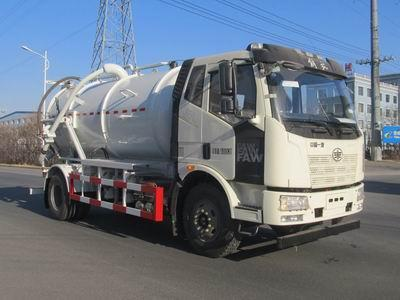
Sewage Suction Trucks
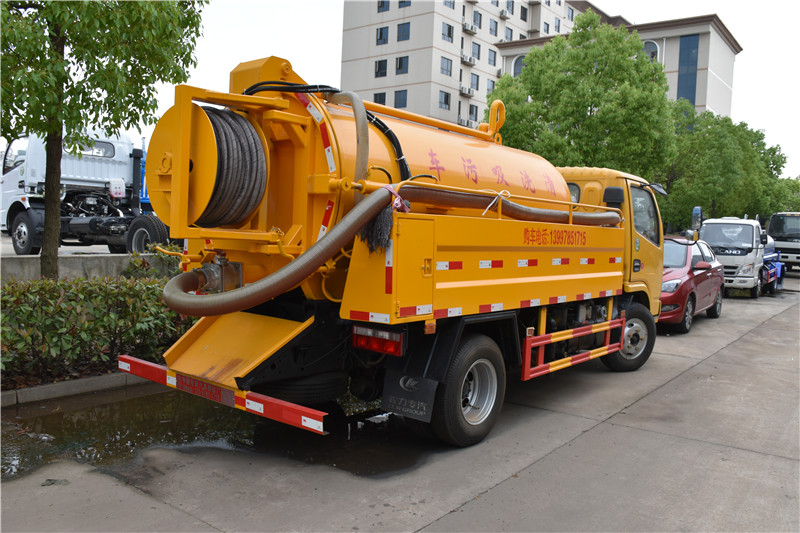
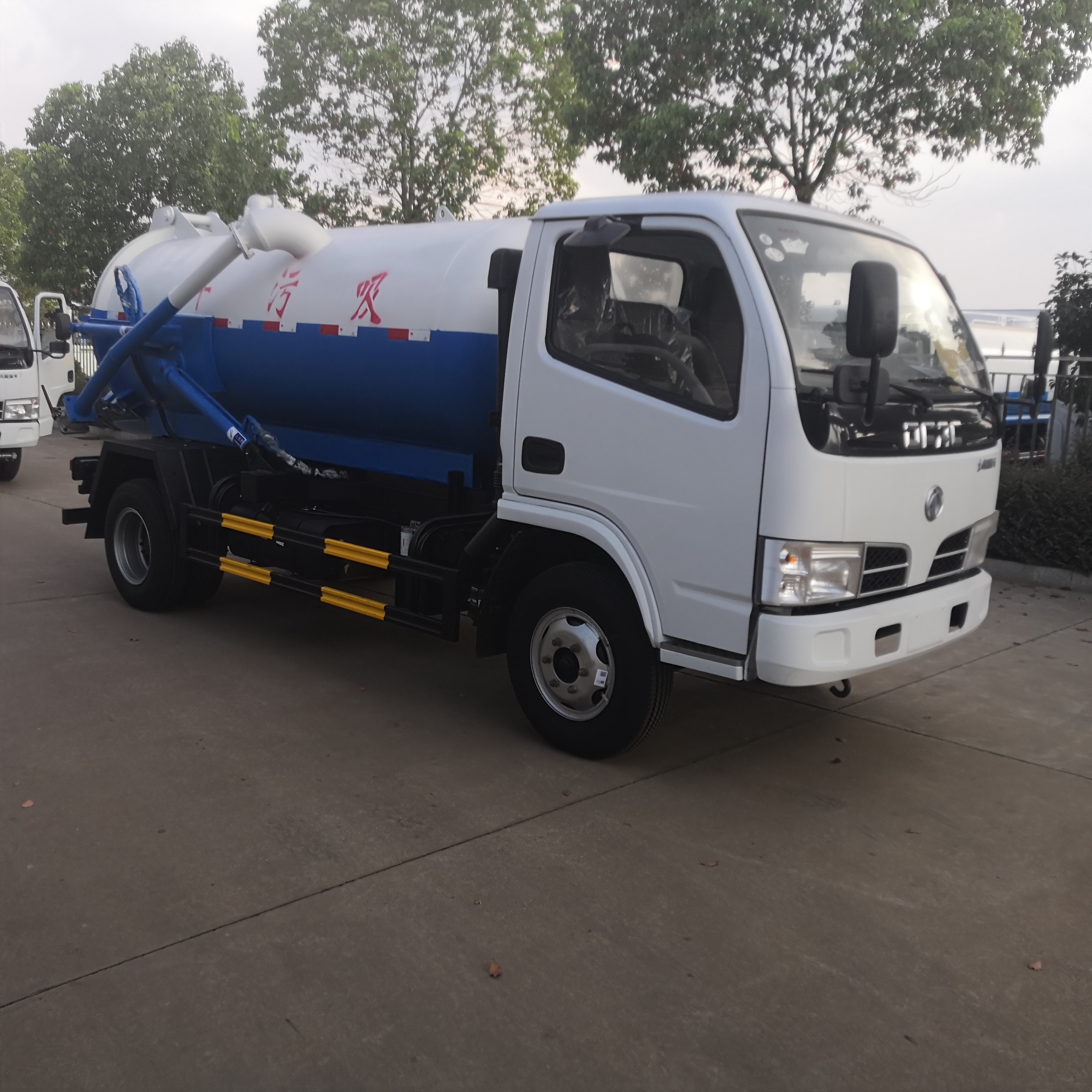
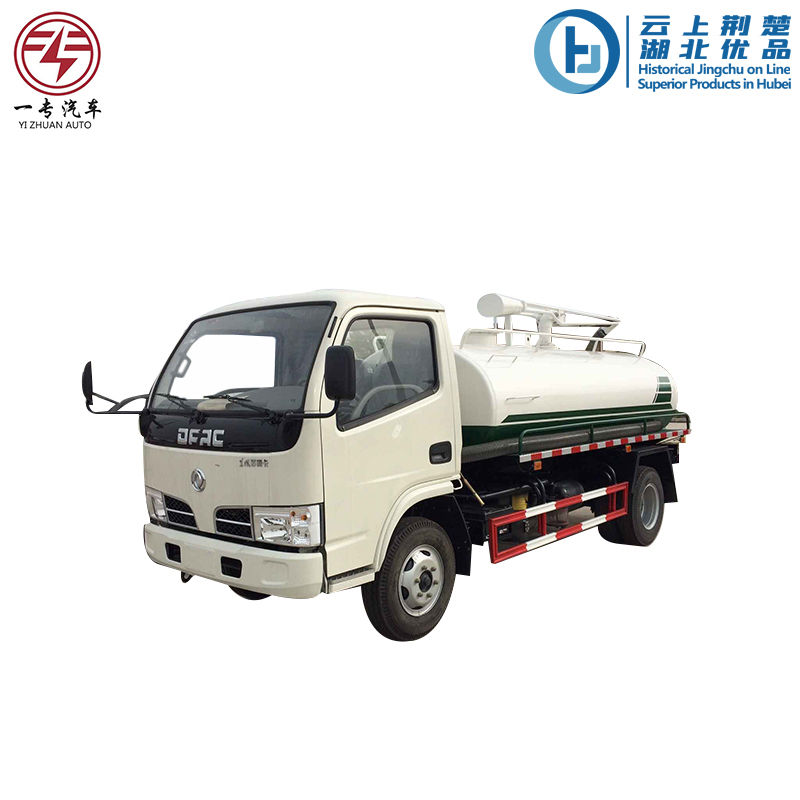
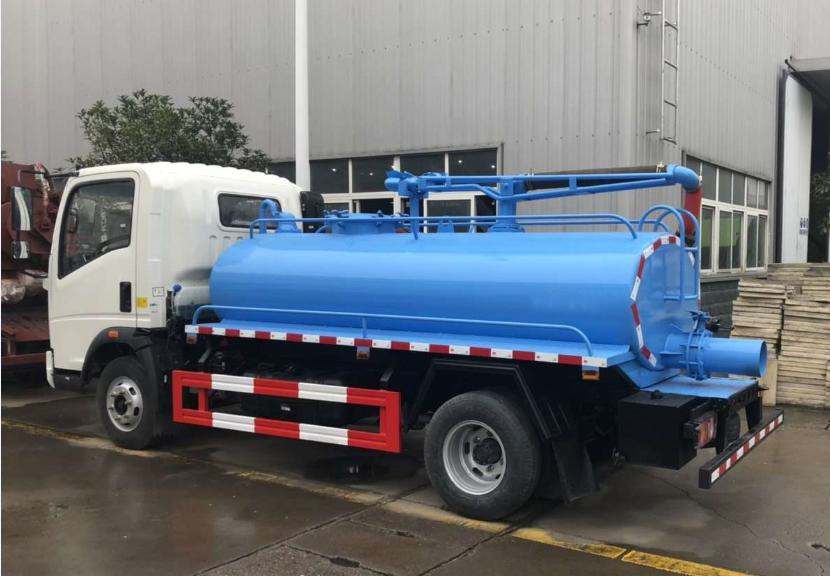
Source reliable sewage suction trucks from vetted manufacturers and suppliers across Asia. Designed for heavy-duty municipal and industrial procurement, our wholesale catalog supports importers, distributors, and fleet managers seeking high-capacity vacuum trucks. We handle supplier verification, quality control, and logistics for secure purchasing.
Procuring sewage suction trucks at scale requires strict attention to chassis integration, vacuum pump performance, and tank integrity. For municipal distributors and industrial fleet managers, a misaligned Power Take-Off (PTO) system or substandard tank welding can lead to catastrophic equipment failure and environmental hazards. Successfully sourcing these heavy-duty vehicles from overseas manufacturers means navigating complex technical specifications and ensuring rigorous quality control on the factory floor.
Core Technical Specifications to Define
When negotiating with manufacturers, vague specifications lead to compromised builds. You must explicitly define the truck's operational parameters to ensure the factory selects the correct components.
Tank Material and Construction
The tank is the most critical structural component. Manufacturers typically offer standard carbon steel (Q235 or Q345) or various grades of stainless steel (304 or 316L). The choice depends entirely on the corrosiveness of the materials the end-user intends to transport.
| Material | Corrosion Resistance | Cost Profile | Primary Application |
|---|---|---|---|
| Carbon Steel (Q235/Q345) | Low to Moderate | Economical | Standard municipal sewage, non-corrosive sludge |
| Stainless Steel (304) | High | Premium | Industrial wastewater, mild chemicals |
| Stainless Steel (316L) | Maximum | Highest | Highly corrosive industrial effluents |
Vacuum Pump Selection
Chinese manufacturers generally supply domestically produced rotary vane pumps as standard. While these are cost-effective and reliable for general use, heavy-duty applications often require liquid ring pumps or imported European brands (like Jurop or Moro). If your market demands specific imported pumps, this must be negotiated early, as it affects the PTO linkage and mounting brackets.
Need to match specific pump performance or chassis requirements? Speak with our heavy machinery sourcing experts.
Discuss Your SpecsManufacturing Quality and Factory Vetting
Not all special-purpose vehicle manufacturers possess the engineering capability to ensure a safe, long-lasting build. Many are simply assembling third-party tanks onto commercial chassis. Conducting thorough Factory Audits is essential to verify a supplier's welding certifications, testing facilities, and engineering depth.
Where Quality is Won or Lost
- Welding Integrity: Tanks must be submerged-arc welded and subjected to X-ray or ultrasonic testing. Pinholes in the weld seams will cause a loss of vacuum pressure and eventual leaks.
- PTO Integration: The power take-off must be perfectly matched to the chassis transmission and the pump's RPM requirements. Poor integration leads to overheating and premature transmission failure.
- Hydraulic Systems: The rear door opening and tank tipping mechanisms rely on heavy-duty hydraulic cylinders. Substandard seals will fail under the weight of a full tank.
Pre-Shipment Inspection Focus Areas
- Verify tank thickness using an ultrasonic thickness gauge.
- Conduct a full vacuum pressure hold test (minimum 30 minutes).
- Cycle the hydraulic rear door and tipping mechanism under load.
- Inspect PTO engagement and disengagement at operational RPMs.
- Check all anti-corrosion interior coatings for uniform application.
Implementing independent Quality Control & Inspection before the truck leaves the facility is non-negotiable. Catching a hydraulic leak or a failing vacuum seal at the port of destination is a costly disaster.
Pricing, MOQs, and Logistics Reality
Because sewage suction trucks are high-value, capital-intensive assets, manufacturers are accustomed to low Minimum Order Quantities (MOQs).
- MOQ: Typically 1 to 3 units. However, ordering in batches of 2 or more often unlocks better pricing on the upper-body construction.
- Pricing Drivers: The chassis brand (e.g., Dongfeng, Sinotruk, Isuzu) dictates up to 60 percent of the total cost. The remaining cost is driven by tank capacity, material (carbon vs. stainless), and pump origin.
- Logistics: These vehicles cannot be shipped in standard containers unless the upper body is shipped separately from the chassis (SKD/CKD). Fully assembled trucks must be shipped via RoRo (Roll-on/Roll-off) or Flat Rack vessels. Securing reliable Shipping & Freight services is critical to managing the high costs of oversized cargo.
Shipping heavy vehicles requires specialized logistics. Contact us to map out RoRo availability and freight costs to your destination.
Get Freight EstimatesFrequently Asked Questions
Sourcing special-purpose vehicles demands precision in engineering specifications and rigorous oversight during assembly. By clearly defining your technical requirements and enforcing strict quality control protocols, you can secure high-performance sewage suction trucks that deliver reliable service in the field.
Get Sourcing Help for Sewage Suction Trucks
Tell us your requirements and our experts will connect you with verified manufacturers.