Sensor Kits and Cable Assemblies
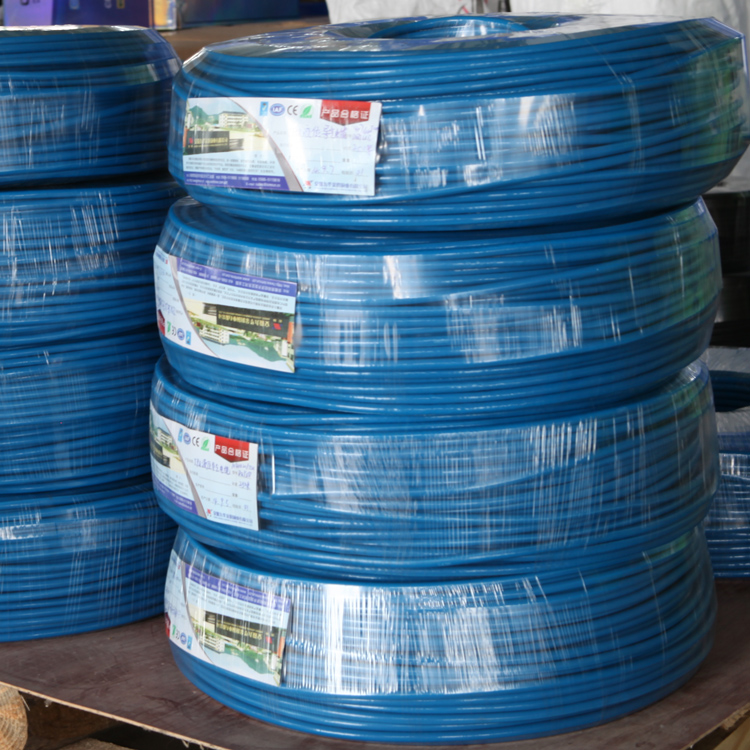
Source high-quality sensor kits and cable assemblies from vetted manufacturers and suppliers in China and across Asia. Designed for electronics importers, distributors, and brands seeking reliable OEM and private-label production, our network delivers precision-engineered components at competitive wholesale volumes.
Sourcing sensor kits and cable assemblies at scale requires balancing signal integrity with mechanical durability. Whether you are integrating environmental sensors for industrial automation or sourcing consumer electronics assemblies, the reliability of data transmission relies heavily on the quality of the cable, shielding, and connector terminations.
Core Specifications for Sensor Cable Assemblies
When specifying cable assemblies for sensor kits, off-the-shelf solutions rarely meet the demands of specific environmental or electrical parameters. To prevent miscommunication with suppliers, you must define:
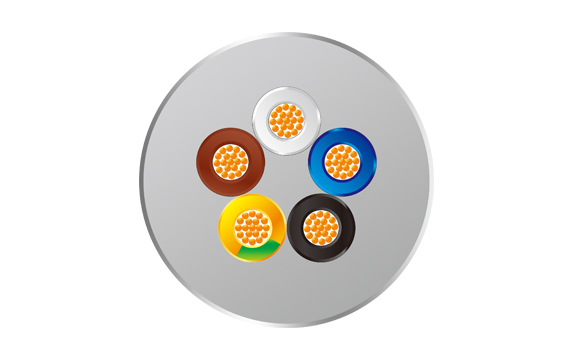
- Conductor Gauge and Material: Specify the exact AWG and material purity (e.g., 99.9 percent oxygen-free copper or tinned copper) to ensure appropriate current carrying capacity and corrosion resistance.
- Shielding Requirements: Choose between foil, braided, or double-shielded configurations to prevent EMI/RFI, particularly in electrically noisy industrial environments.
- Connector Standards: Clearly state the required standard (e.g., M8, M12, JST, Molex) and the required pin plating thickness (e.g., 3u" to 15u" gold plating).
| Jacket Material | Flexibility | Chemical Resistance | Typical Application |
|---|---|---|---|
| PVC (Polyvinyl Chloride) | Moderate | Low | General indoor electronics and consumer goods |
| PUR (Polyurethane) | High | High | Industrial automation, robotics, machine tools |
| TPE (Thermoplastic Elastomer) | Very High | Moderate | Medical devices, continuous flex applications |
Manufacturing Tolerances and Quality Control
The most common failure points in cable assemblies occur at the termination. Poor crimping, inadequate strain relief, or compromised overmolding can lead to intermittent signal loss or complete failure under stress. Verifying factory capabilities through rigorous factory audits is essential before tooling begins.
Critical QC Checks for Cable Assemblies
- Pull force testing on crimped terminals to ensure mechanical integrity.
- Hipot (dielectric withstand) testing for insulation integrity.
- Automated continuity and short-circuit testing on 100 percent of the batch.
- Cross-section analysis of crimps to verify void-free compression.
- IP rating verification (e.g., submersion or air-leak testing for IP67/IP68 assemblies).
Implementing stringent quality control protocols ensures that these tests are performed on a statistically significant batch size, not just the golden samples provided during the quoting phase.
Struggling with high defect rates in your current cable assemblies? Let our engineers audit your suppliers and implement robust QC protocols.
Talk to our teamTooling and OEM Customization
For proprietary sensor arrays, standard connectors may not suffice. Developing custom overmolds, unique pin configurations, or specialized strain reliefs requires a manufacturer with strong OEM/ODM services and in-house tooling capabilities. When developing custom molds, ensure the factory uses high-grade mold steel (like S136) if you plan on high-volume production, as cheaper molds will degrade and cause flashing on the plastic components.
Wholesale Pricing, MOQs, and Lead Times
Pricing for sensor kits and cable assemblies is highly volatile, driven by copper spot prices, connector brand choices (e.g., genuine Molex versus equivalent alternatives), and jacket materials.
- MOQs: Standard assemblies typically require Minimum Order Quantities of 1,000 to 3,000 pieces. Custom overmolded cables often start at 3,000 to 5,000 pieces to justify machine setup times.
- Tooling Costs: Custom molds for connectors or strain reliefs usually range from $500 to $2,500 depending on complexity and cavity count.
- Lead Times: Allow 15 to 25 days for standard production. Custom tooling adds 15 to 30 days to the initial timeline for mold creation and first-article approval.
Planning a custom sensor cable run? We can help you negotiate tooling costs and secure realistic production lead times.
Get a free consultationFrequently Asked Questions
Sourcing reliable sensor kits and cable assemblies requires a deep understanding of materials, electrical specifications, and manufacturing precision. By clearly defining your tolerances and ensuring rigorous on-site inspection, you can secure high-performance assemblies at competitive wholesale costs without compromising data integrity.
Get Sourcing Help for Sensor Kits and Cable Assemblies
Tell us your requirements and our experts will connect you with verified manufacturers.