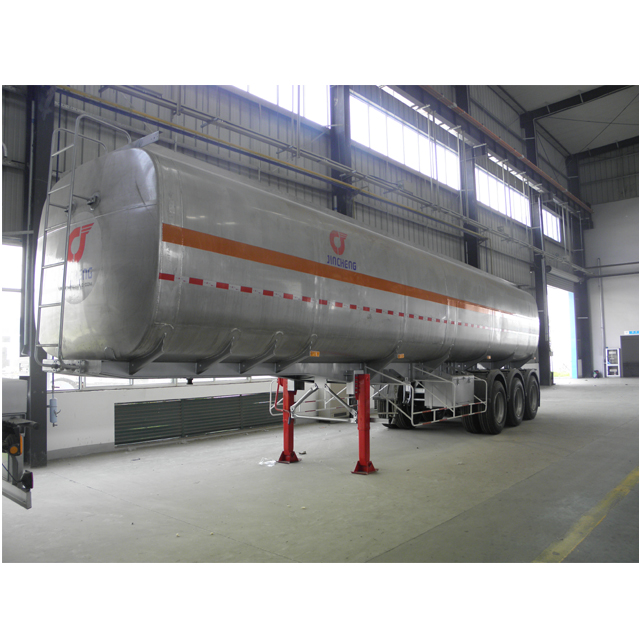
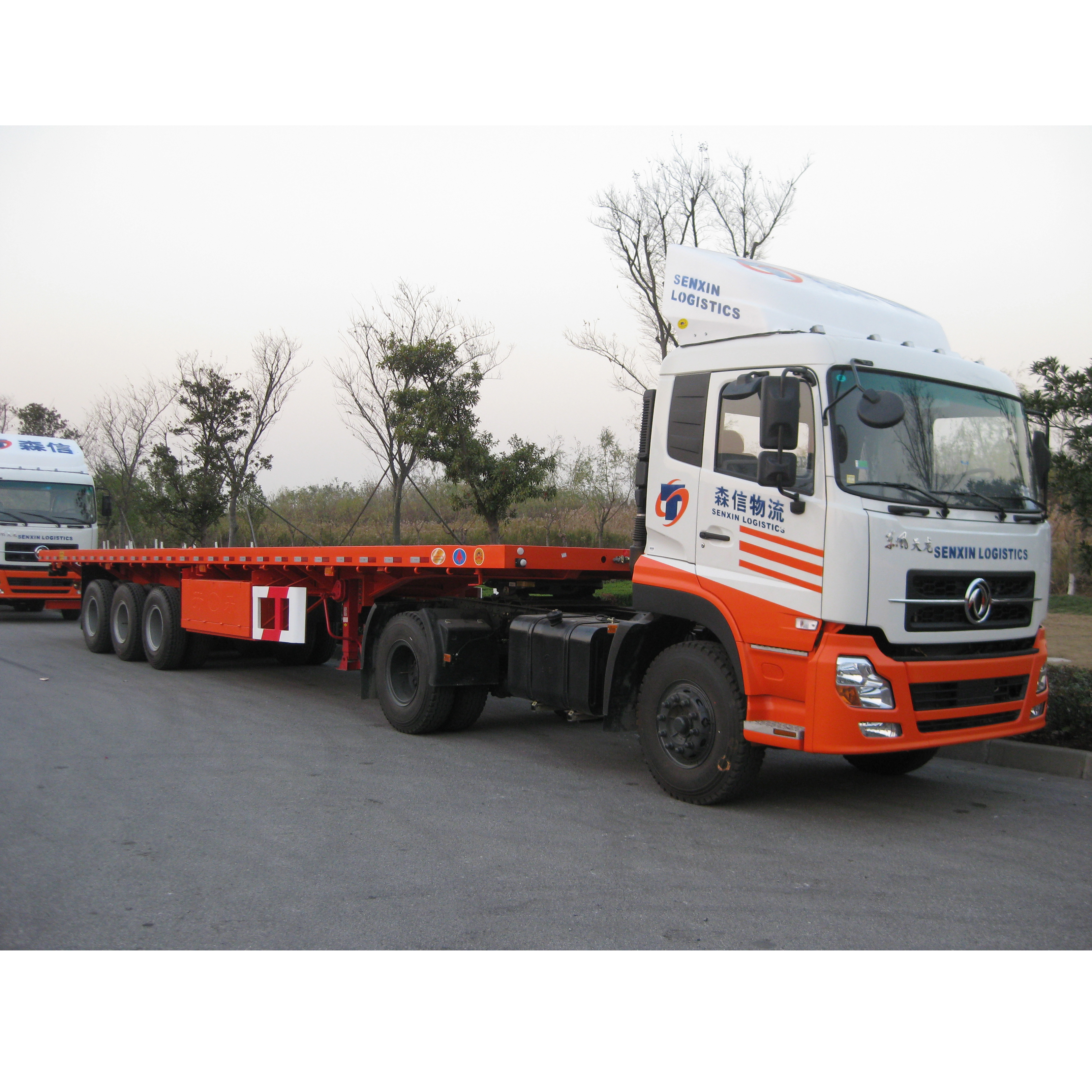
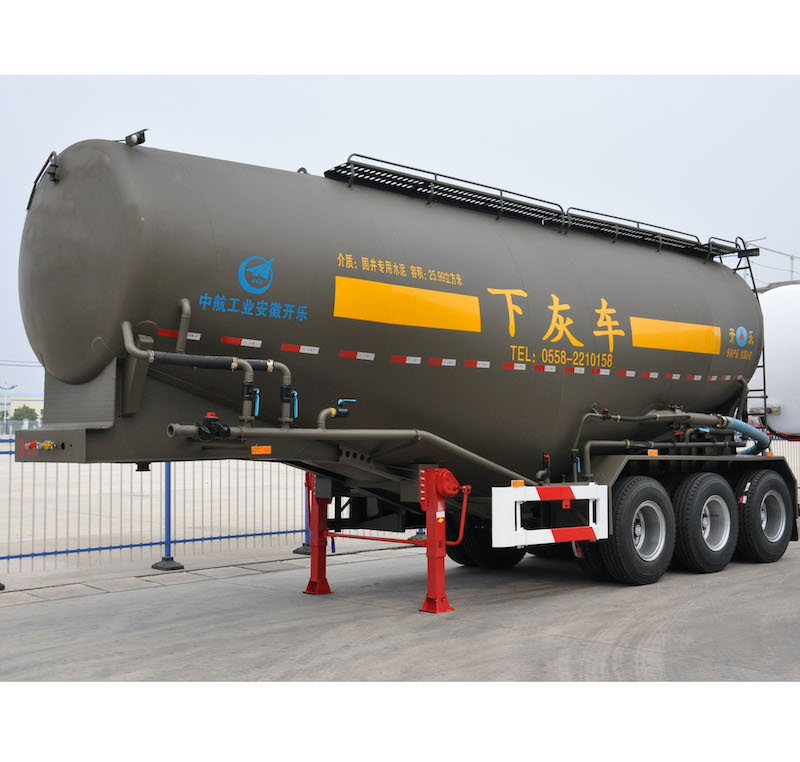
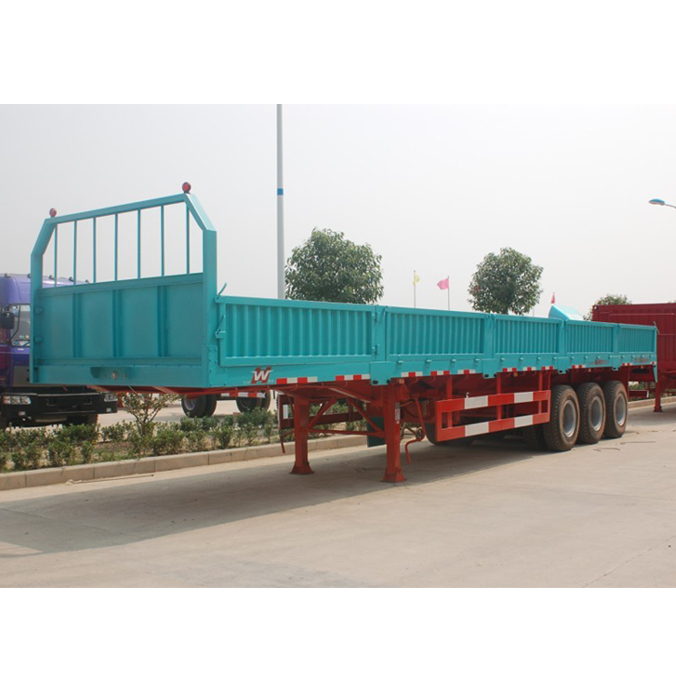
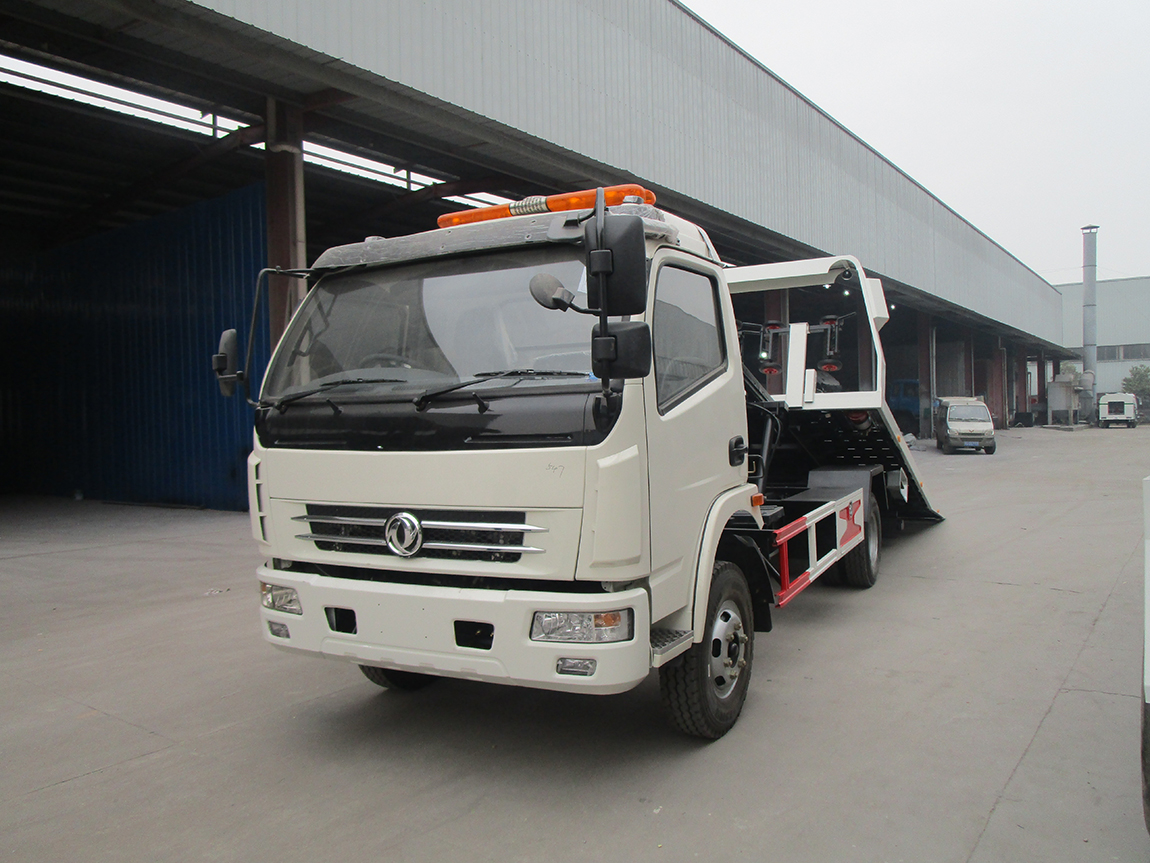
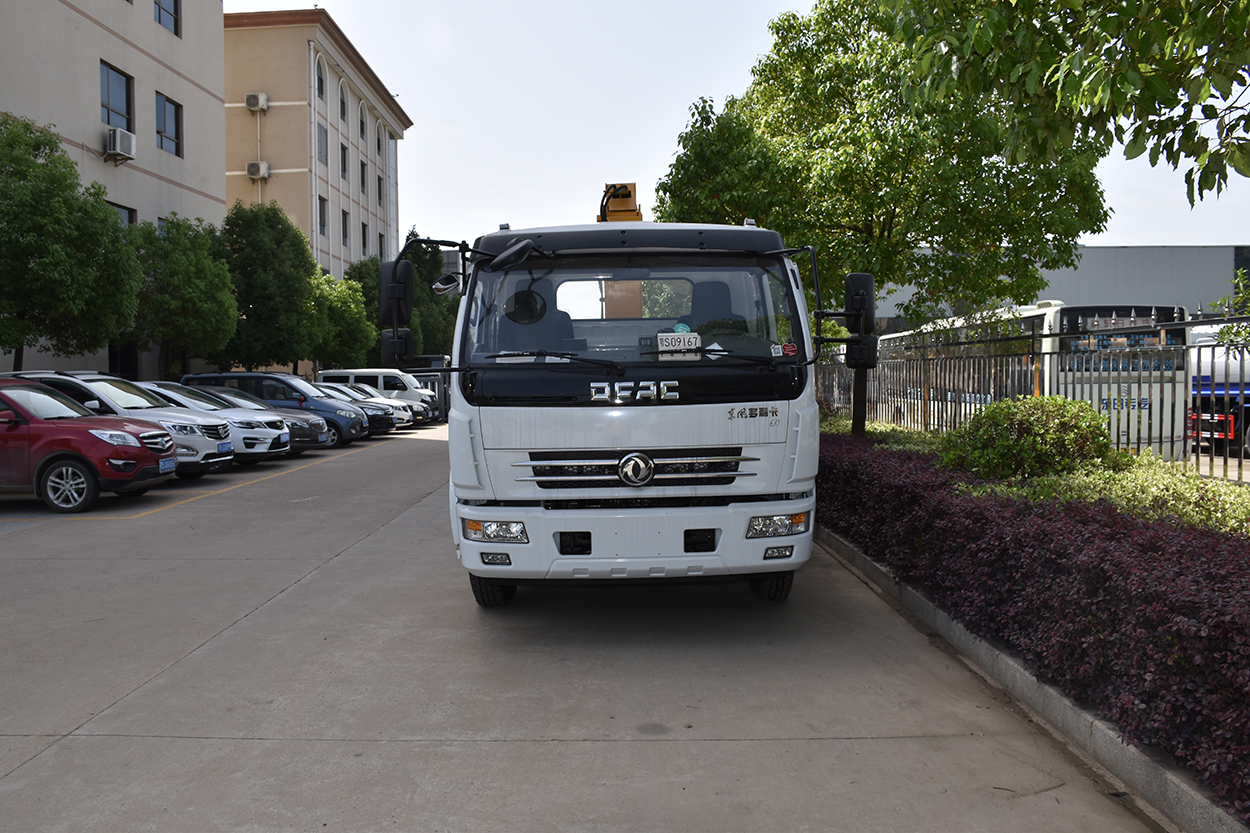
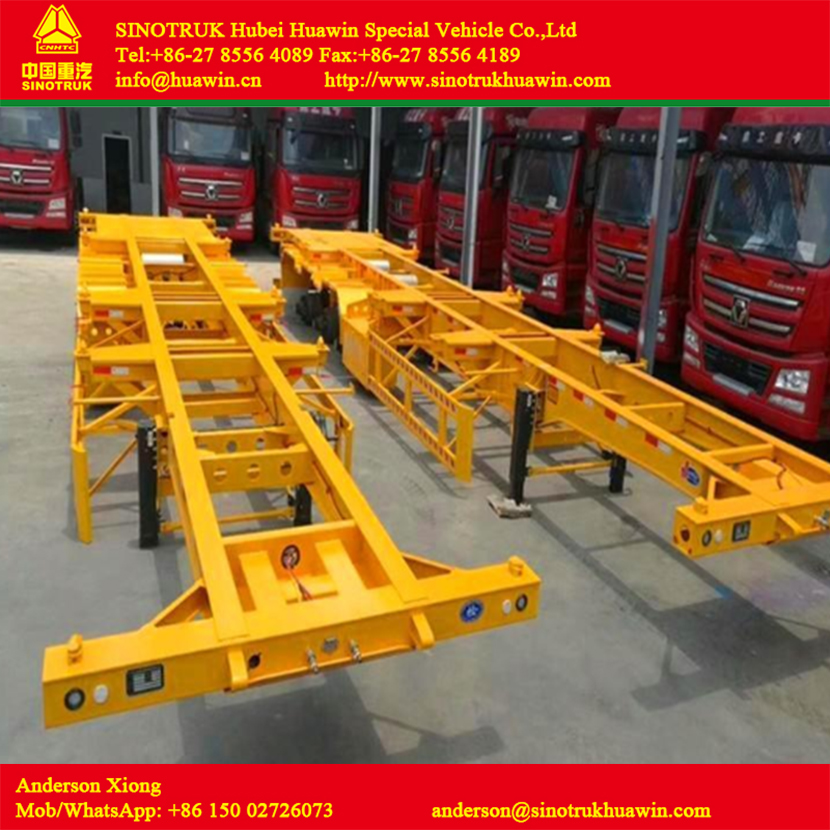
Semi-trailer Tractor
Source heavy-duty semi-trailer tractors from vetted manufacturers and suppliers built for global logistics demands. Designed for importers, distributors, and fleet procurement managers sourcing bulk commercial vehicles, this catalog offers custom OEM and standard configurations. Connect directly with factory partners for competitive pricing.
Sourcing semi-trailer tractors at scale requires precise alignment between powertrain specifications, regional payload regulations, and harsh operating environments. For procurement teams and fleet distributors, the primary challenge lies in validating the manufacturer's ability to consistently integrate Tier-1 components—engines, transmissions, and axles—into a robust, compliant chassis while maintaining cost-efficiency and production timelines.
Critical Specifications and Powertrain Matching
The foundation of a reliable semi-trailer tractor is its powertrain and chassis configuration. Buyers must specify the exact Gross Combination Weight (GCW) requirements and operational terrain to ensure the factory selects the correct drivetrain ratio and chassis reinforcement.
Engine displacement, torque curves, and transmission types (manual vs. Automated Manual Transmission, or AMT) drastically impact fuel efficiency and total cost of ownership. When negotiating with manufacturers, clearly define the operational parameters so the engineering team can match the axle load capacity and gear ratios accordingly.
| Application | Drive Configuration | Typical Engine Output | Target GCW |
|---|---|---|---|
| Regional / Port Haul | 4x2 or 6x2 | 350-420 HP | Under 40 Tons |
| Standard Long-Haul | 6x4 | 430-480 HP | 40 to 60 Tons |
| Heavy / Rough Terrain | 6x4 or 6x6 | 500-560+ HP | Over 60 Tons |
Need help matching powertrain specifications to your regional payload regulations? We can guide your factory selection.
Talk to our teamManufacturing Standards and Factory Verification
The durability of a semi-trailer tractor is determined long before assembly, starting with the steel grade used in the chassis frame and the precision of the welding process. High-strength steel (such as Q700 or T700) is standard for modern lightweight, high-capacity frames.
However, verifying a factory's capability requires looking beyond the spec sheet. Buyers must assess the manufacturer's automated welding lines, robotic stamping capabilities, and the cathodic dip painting (electrophoresis) process used on the cab to prevent long-term corrosion. Relying on comprehensive Factory Audits is the most effective way to confirm that a supplier has the advanced tooling and quality management systems (like IATF 16949) required for heavy commercial vehicle production.
Compliance, Safety, and Quality Control
Heavy commercial vehicles face stringent regulatory environments globally. Emissions compliance (Euro V, Euro VI, or EPA standards) dictates the engine selection and exhaust aftertreatment systems (SCR, DPF). Furthermore, active safety systems such as Electronic Braking Systems (EBS), Electronic Stability Control (ESC), and Lane Departure Warning systems are increasingly mandatory in many jurisdictions.
Ensuring these complex systems function correctly requires rigorous Quality Control & Inspection protocols before the vehicles leave the factory.
Pre-Shipment Inspection Focus Areas
- ECU diagnostic scans for engine and transmission fault codes
- Air brake system pressure retention and valve testing
- Chassis alignment and suspension torque verification
- Fifth-wheel coupling mechanism and mounting plate inspection
- Exhaust aftertreatment (SCR/DPF) sensor calibration checks
Buying Mechanics: MOQs, Lead Times, and Pricing
Procuring semi-trailer tractors involves significant capital outlay and complex supply chain coordination. Because these are high-value assets, Minimum Order Quantities (MOQs) are generally flexible, though unit costs decrease favorably with volume commitments. Production lead times are heavily dependent on the availability of imported Tier-1 components (e.g., ZF transmissions or Cummins engines).
Managing the procurement of heavy machinery across borders involves mitigating risks in payment, production delays, and shipping (typically via RoRo vessels or flat racks). Utilizing professional Product Sourcing management ensures that production milestones are met and component specifications are strictly adhered to.
Ready to negotiate pricing and production terms for your fleet procurement? Let our experts secure your supply chain.
Get a free consultationFrequently Asked Questions
Successfully sourcing semi-trailer tractors demands more than just comparing unit prices; it requires a deep understanding of drivetrain engineering, regulatory compliance, and factory capabilities. By prioritizing rigorous supplier vetting and strict pre-shipment inspections, buyers can secure reliable heavy-duty vehicles that deliver long-term value to their fleets.
Get Sourcing Help for Semi-trailer Tractor
Tell us your requirements and our experts will connect you with verified manufacturers.