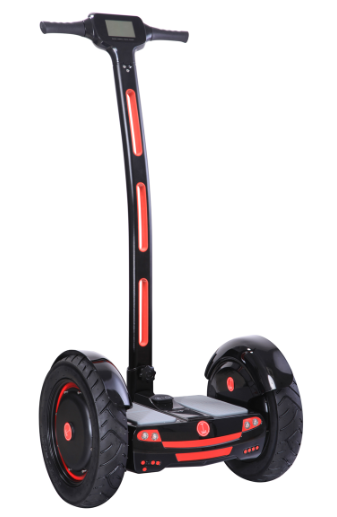
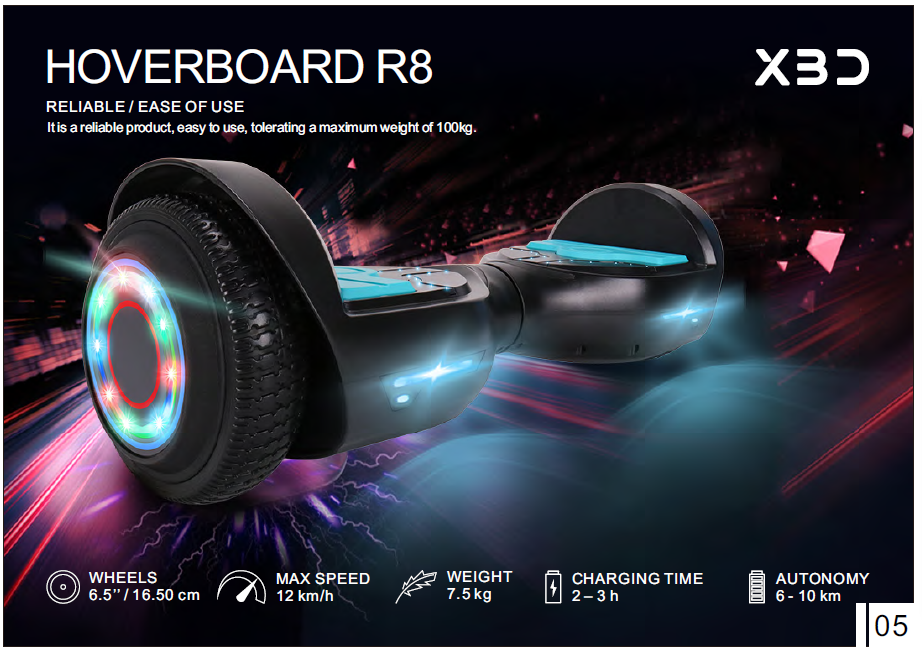
Self-Balancing Electric Scooters
Source premium Self-Balancing Electric Scooters directly from vetted manufacturers and wholesale suppliers. Designed for importers, distributors, and mobility brands seeking reliable OEM and private-label production, our network delivers compliant, high-performance mobility solutions scaled to your exact volume requirements.
Sourcing self-balancing electric scooters at volume requires navigating a complex landscape of component quality, battery safety standards, and precise sensor calibration. For professional buyers, the priority is securing reliable manufacturing partners capable of delivering consistent gyro-stabilization and strict adherence to international electrical safety mandates, all without compromising unit economics.
Core Specifications and Component Selection
The performance and reliability of a self-balancing scooter depend entirely on its powertrain, battery management system (BMS), and sensor array. When negotiating with factories or establishing OEM/ODM Services for private-label production, you must dictate these specifications precisely to avoid high return rates and safety liabilities.
- Hub Motors: Standard units utilize dual brushless DC (BLDC) hub motors. Output typically ranges from 250W to 400W per wheel. Higher wattage yields better torque for inclines and heavier payloads but demands more robust heat dissipation.
- Battery Packs and BMS: The most critical component. Packs are usually 36V, ranging from 2.0Ah to 4.4Ah. Specify the cell origin (Tier 1 cells like Samsung or LG versus generic domestic cells) and mandate an advanced BMS that protects against overcharging, short-circuiting, and thermal runaway.
- Gyroscopic Sensors: The main PCB must feature high-quality 3-axis gyroscopes and accelerometers. Cheap sensors drift out of calibration, leading to a jittery ride or sudden power cut-offs.
| Product Tier | Motor Output | Battery Spec | Chassis Material |
|---|---|---|---|
| Entry-Level / Kids | Dual 200W | 36V 2.0Ah (Generic) | Standard ABS |
| Standard Urban | Dual 250W | 36V 4.0Ah (Standard) | Reinforced ABS + Aluminum Frame |
| Off-Road / All-Terrain | Dual 350W - 400W | 36V 4.4Ah (Tier 1 Cells) | Aviation Aluminum Alloy |
Compliance and Safety Standards
Self-balancing scooters are heavily regulated due to historical battery fire risks. You cannot import these units into major markets without verified, authentic certifications. Do not take a supplier's word for their compliance status; thorough Compliance & Testing verification is mandatory.
Critical Certifications to Verify
- UL2272: Mandatory for the US market; covers the entire electrical drive train and battery system.
- UN38.3: Required for the shipping and transport of lithium-ion batteries.
- CE and RoHS: Essential for entry into the European Economic Area.
- FCC: Required for the remote control and Bluetooth module components.
Ensure your next shipment meets all critical safety and performance benchmarks before it leaves the factory floor.
Talk to our teamManufacturing Tolerances and Quality Control
Quality is won or lost on the factory floor during PCB assembly, motor winding, and battery pack spot welding. Factories producing high-tier scooters utilize automated surface-mount technology (SMT) for their motherboards and computerized testing for sensor calibration.
Common defects include weak solder joints on the battery pack, uncalibrated gyros, and poorly sealed wheel hubs that allow moisture ingress. To mitigate these risks, implement strict Quality Control & Inspection protocols. Pre-shipment inspections should include a dynamic load test, a prolonged burn-in test for the motors, and a drop test to verify chassis integrity. Furthermore, conducting thorough Factory Audits ensures your chosen supplier has the automated testing lines and clean-room environments necessary for safe battery assembly.
Buying Mechanics: MOQs, Pricing, and Lead Times
Understanding the realistic production mechanics of self-balancing scooters helps in negotiating better terms and planning your supply chain.
Pricing is highly elastic based on the battery cell brand and motor wattage. A shift from generic 2.0Ah cells to Tier 1 4.4Ah cells can increase the FOB price significantly per unit, but drastically reduces warranty claims.
Streamline your scooter sourcing, verify factory capabilities, and negotiate better terms.
Get a free consultationFrequently Asked Questions
Sourcing self-balancing electric scooters is fundamentally an exercise in risk management. By dictating precise battery specifications, verifying electrical compliance independently, and auditing factory assembly lines, volume buyers can secure profitable, reliable fleets. When you are ready to scale your procurement with vetted manufacturing partners, expert on-the-ground management makes all the difference.
Get Sourcing Help for Self-Balancing Electric Scooters
Tell us your requirements and our experts will connect you with verified manufacturers.