Security Lights
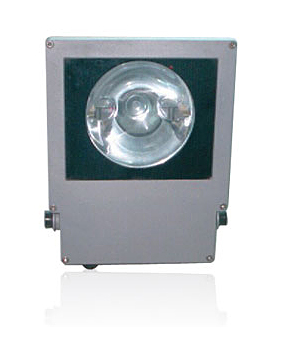
Source commercial-grade security lights from vetted manufacturers and wholesale suppliers across Asia. Built for electrical distributors, lighting importers, and brands requiring reliable OEM and ODM production, our factory network delivers high-performance exterior and perimeter lighting solutions at scale.
Sourcing security lighting at scale requires navigating a fragmented supply base where outward appearance often masks internal cost-cutting. For commercial installations, perimeter security, and high-stakes residential applications, the difference between a reliable fixture and a high-failure liability lies deep in the bill of materials (BOM)—specifically in thermal management, driver stability, and sensor accuracy.
Critical Specifications and Component Sourcing
When negotiating with manufacturers, the specifications on paper must match the components used on the assembly line. A common trap is approving a golden sample built with premium components, only for the factory to substitute cheaper alternatives during mass production.
Essential BOM Elements to Define
- LED Chips: Specify the exact brand (e.g., Lumileds, Osram, Nichia) and binning standards. High-efficacy chips (130 to 150 lumens per watt) are standard for commercial security applications.
- LED Drivers: The driver is the most common point of failure. Specify isolated drivers with built-in surge protection (minimum 4kV to 6kV for outdoor use). Recognizing brands like Mean Well or Sosen in your BOM provides a baseline of reliability.
- Thermal Management: Die-cast aluminum housings are standard, but the weight and fin design dictate heat dissipation. Thinner, cost-reduced aluminum housings will severely degrade the lifespan of the LED chips.
Need to ensure your supplier isn't cutting corners on components? We can verify your BOM and monitor production on the factory floor.
Talk to our teamSensor Technology: PIR vs. Microwave
Security lights rely heavily on motion detection. Specifying the right sensor type is crucial for your target market.
| Feature | PIR (Passive Infrared) | Microwave (Radar) |
|---|---|---|
| Detection Method | Detects body heat changes | Emits microwave pulses |
| Range & Sensitivity | Directional, up to 12 meters | Omnidirectional, penetrates thin walls |
| False Triggers | Triggered by sudden temperature shifts | Triggered by wind-blown branches or rain |
| Best Application | Residential driveways, entryways | Large commercial perimeters, warehouses |
Manufacturing Quality and Compliance
A factory's capability is best judged by its testing infrastructure. Proper Quality Control & Inspection protocols are non-negotiable for outdoor electrical equipment.
Key Factory-Floor Tests for Security Lights
- Integrating Sphere Testing: Verifying color temperature (CCT), Color Rendering Index (CRI), and total luminous flux.
- IP Rating Verification: Vacuum and water spray chambers to validate IP65 or IP66 claims.
- Aging Tests: A minimum 12 to 24-hour burn-in period at elevated temperatures to catch early driver failures.
- Surge Testing: Simulating lightning strikes and grid fluctuations to ensure driver resilience.
If you are importing into strictly regulated markets (like North America or the EU), ensure your supplier has valid, verifiable certifications (UL, ETL, CE, RoHS). Partnering with experts for Compliance & Testing helps prevent costly customs seizures or liability issues.
Sourcing Mechanics: MOQs, Lead Times, and Pricing
Pricing in the security lighting sector is directly tied to the weight of the aluminum housing, the tier of the electrical components, and the complexity of the sensor integration.
For brands looking to develop unique form factors or integrate proprietary smart-home protocols (like Zigbee or Matter), OEM/ODM Services will require higher MOQs (often 2,000 units or more) to amortize the cost of new tooling and PCB design.
Looking to scale your lighting brand? We handle supplier vetting, price negotiation, and quality control from end to end.
Get a free consultationFrequently Asked Questions
Securing a reliable supply of security lights means looking past the spec sheet and scrutinizing the factory's engineering and quality control processes. By controlling the BOM and enforcing strict pre-shipment testing, importers can build a profitable, low-liability product line.
Get Sourcing Help for Security Lights
Tell us your requirements and our experts will connect you with verified manufacturers.