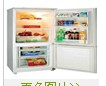
Second-Hand Appliances
Source wholesale Second-Hand Appliances from vetted suppliers and refurbishing facilities across Asia. Designed for importers, distributors, and bulk buyers, our network delivers reliable access to tested, graded, and export-ready used home appliances. Secure competitive bulk pricing with rigorous quality control.
Sourcing second-hand home appliances in commercial volumes shifts the procurement focus from manufacturing tolerances to grading consistency and rigorous functional testing. For bulk buyers, success depends on securing reliable supply chains where every container meets strict cosmetic and operational standards, minimizing dead-on-arrival (DOA) units and maximizing resale margins.
Establishing Strict Grading Standards
The primary risk in importing used appliances is the subjective nature of supplier grading. Without a concrete, documented standard, a supplier's "Grade A" might yield unacceptable cosmetic damage or reduced operational lifespan.
| Grade | Cosmetic Condition | Functional Status | Typical Yield |
|---|---|---|---|
| Grade A | Minimal wear, no dents, original paint | 100% tested, all functions optimal | Top tier pricing, high demand |
| Grade B | Visible scratches, minor dents (sides/back) | Fully functional, replaced minor parts | Best value for volume distributors |
| Grade C | Significant wear, discoloration, front dents | Basic functions work, may need local repair | Often targeted for parts or emerging markets |
Functional Testing and Refurbishment Protocols
A reliable second-hand appliance supplier doesn't just aggregate used goods; they run a structured refurbishment and testing facility. When evaluating a supplier's capabilities, verify their standardized testing procedures.
Intake Triage
Initial sorting based on age, brand, and visual condition. Units with structural rust or severe motor damage are stripped for parts.
Deep Cleaning & Sanitization
Chemical cleaning of drums, coils, and interiors to remove scale, mold, and residues.
Component Testing
Megger testing for electrical insulation, compressor pressure tests for refrigerators, and spin-balance checks for washing machines.
Final QA & Tagging
Each unit receives a barcode linking to its test results and grading status before being wrapped for export.
Struggling with inconsistent quality in mixed containers? Let us standardize your grading and inspection process.
Talk to our teamBecause used inventory is inherently variable, robust Quality Control & Inspection is non-negotiable. Pre-shipment inspections must include randomized functional tests, not just visual tallies, to ensure the lot matches the agreed-upon grading matrix.
Compliance, Refrigerants, and Logistics
Importing used appliances introduces specific regulatory and logistical hurdles that new products often bypass.
Critical Import Checks
- Refrigerant Compliance: Ensure older refrigerators and AC units do not contain banned ozone-depleting substances (like R-22 or R-12).
- Electrical Compatibility: Verify voltage and frequency (e.g., 220V/50Hz vs 110V/60Hz) match your destination market, or factor in the cost of step-down transformers.
- Phytosanitary and Cleaning Certifications: Many customs authorities require proof that used appliances have been professionally sanitized to prevent biological hazards.
Navigating these regulations requires strict supplier vetting and proactive Compliance & Testing to avoid container rejections at the destination port. Furthermore, because appliances are bulky, optimizing the container load—often by nesting smaller units inside larger ones where safe—is critical. Working with experienced Shipping & Freight partners ensures maximum cube utilization without crushing delicate components.
Typical MOQs, Pricing Drivers, and Lead Times
Unlike new OEM production, second-hand appliance availability is driven by market collection rates and recycling cycles.
Pricing fluctuates based on the ratio of premium brands (often Japanese or Korean models) to generic brands within a lot. A container heavily weighted toward high-capacity, late-model units will command a significant premium. Buyers must negotiate the exact brand mix and capacity distribution before placing a deposit.
Need reliable pricing data for Grade A and B mixed appliance containers? We can help source and negotiate.
Get a free consultationFrequently Asked Questions
Sourcing second-hand appliances profitably requires balancing aggressive procurement costs with stringent quality assurance. Success hinges on partnering with aggregation facilities that treat refurbishment as a precise industrial process rather than a salvage operation. Through comprehensive Product Sourcing and on-the-ground oversight, you can secure consistent, high-yield inventory that protects your margins and your reputation.
Get Sourcing Help for Second-Hand Appliances
Tell us your requirements and our experts will connect you with verified manufacturers.