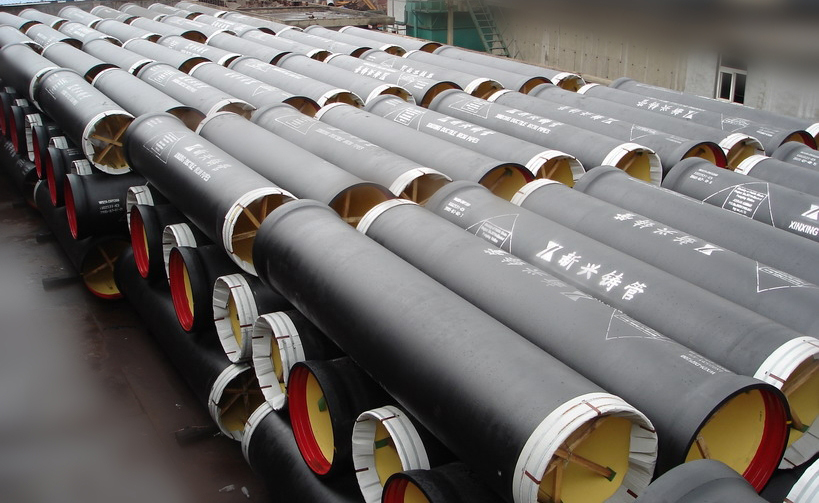
Seawater Desalting Engineering
Source seawater desalting engineering solutions from vetted manufacturers and specialized contractors. Designed for EPC firms, industrial developers, and procurement managers, our network provides scalable reverse osmosis and thermal desalination systems for bulk import and custom project execution.
Sourcing complete seawater desalting engineering packages—whether modular reverse osmosis (SWRO) skids or large-scale thermal units—requires more than just finding a manufacturer with available capacity. It demands strict alignment on metallurgy, energy recovery efficiency, and rigorous Factory Acceptance Testing (FAT). Procuring these capital-intensive systems from overseas contractors offers significant cost advantages, provided the supplier can strictly adhere to international pressure vessel codes, piping standards, and membrane validation protocols.
Core Desalination Technologies
The majority of modern desalination projects utilize Seawater Reverse Osmosis (SWRO) due to its lower specific energy consumption (SEC). However, thermal processes like Multi-Effect Distillation (MED) remain relevant for industrial applications where waste heat is abundant. When sourcing engineering packages, defining the core technology dictates the entire supply chain, from high-pressure pump sourcing to membrane procurement.
| Specification | SWRO (Reverse Osmosis) | MED (Thermal) |
|---|---|---|
| Energy Consumption | 2.5 to 3.5 kWh per cubic meter | High thermal, low electrical |
| Feedwater Tolerance | Requires extensive pre-treatment | Highly tolerant to variations |
| Footprint | Compact, highly modular | Large, heavy infrastructure |
| Primary Maintenance | Membrane fouling, CIP cycles | Scaling, tube bundle cleaning |
Metallurgy and Corrosion Resistance
The most common point of failure in seawater desalination equipment is accelerated corrosion in high-pressure environments. Standard 316L stainless steel is insufficient for high-pressure seawater piping. Engineering contractors must demonstrate expertise in welding and fabricating advanced alloys.
High-pressure manifolds and pump housings should be specified as Duplex (e.g., 2205) or Super Duplex (e.g., SAF 2507) stainless steel, or Titanium. Verifying a supplier's welding procedure specifications (WPS) and welder qualification test records (WQTR) for these specific alloys is critical. Utilizing professional Factory Audits ensures the facility actually possesses the specialized machining and inert-gas welding capabilities required for these high-grade materials, rather than outsourcing them to unverified sub-tier vendors.
Need to qualify a manufacturer's fabrication capabilities for your upcoming desalination project?
Discuss your project specsFactory Acceptance Testing (FAT)
Before a multi-ton desalination skid leaves the factory floor, it must undergo exhaustive testing. Remediating a high-pressure leak or logic error on-site is exponentially more expensive than catching it during manufacturing.
Critical FAT Checkpoints for SWRO Skids
- Hydrostatic pressure testing of all high-pressure manifolds (typically at 1.5x design pressure).
- Non-Destructive Testing (NDT) on 100 percent of high-pressure welds (radiography or ultrasonic).
- Point-to-point electrical continuity and grounding verification.
- PLC logic simulation, including automated valve sequencing and fault-state triggers.
- Vibration analysis on high-pressure pumps and Energy Recovery Devices (ERDs) during dry/wet runs.
Implementing robust Quality Control & Inspection protocols during the assembly phase—not just at final completion—prevents integration issues, especially when combining components from various sub-suppliers (e.g., European pumps with Asian fabricated frames).
Project Economics, Lead Times, and Logistics
Desalination engineering packages are highly customized. While standard containerized units (e.g., 500 cubic meters per day) might have predefined blueprints, they still require build-to-order manufacturing.
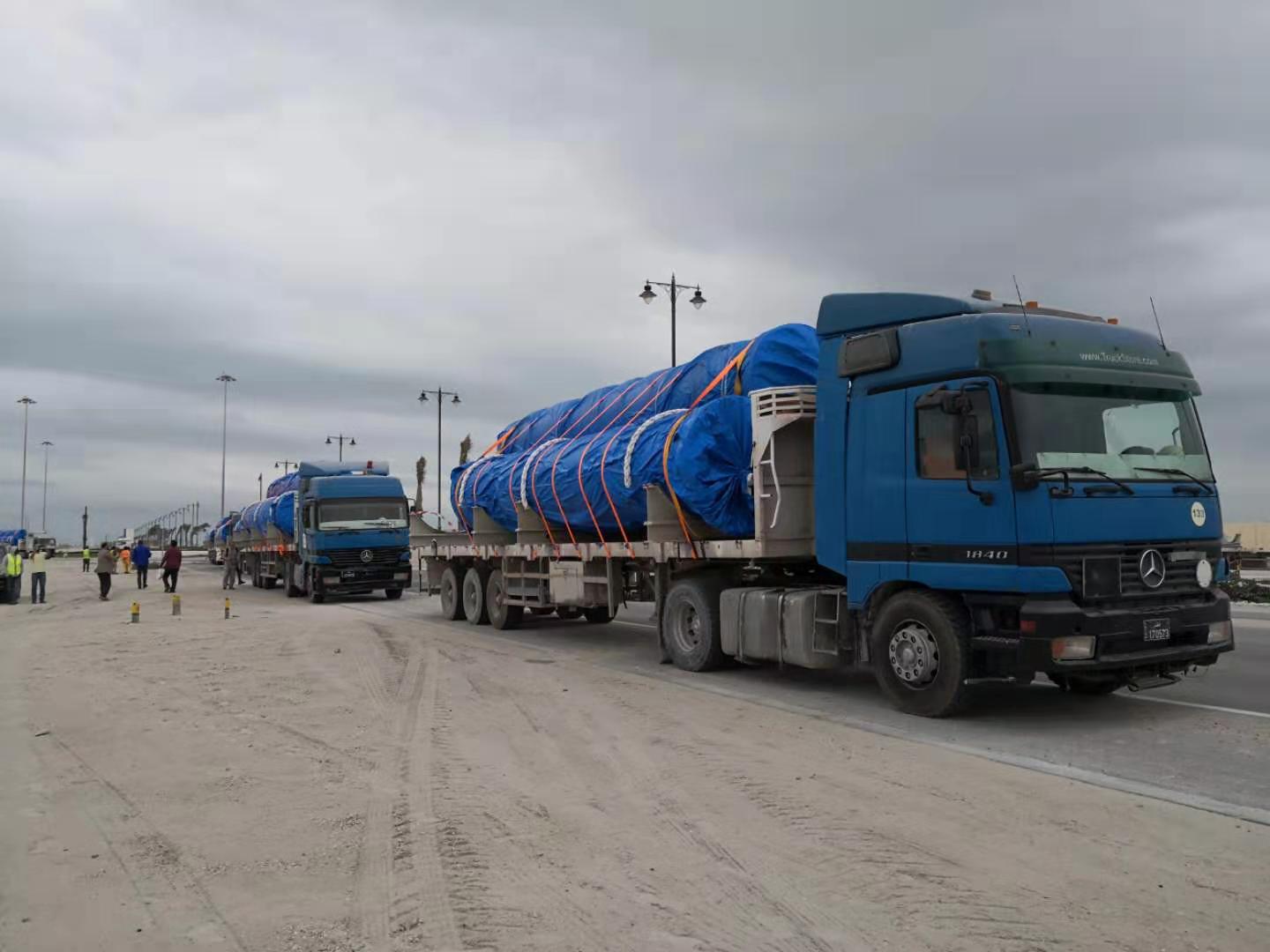
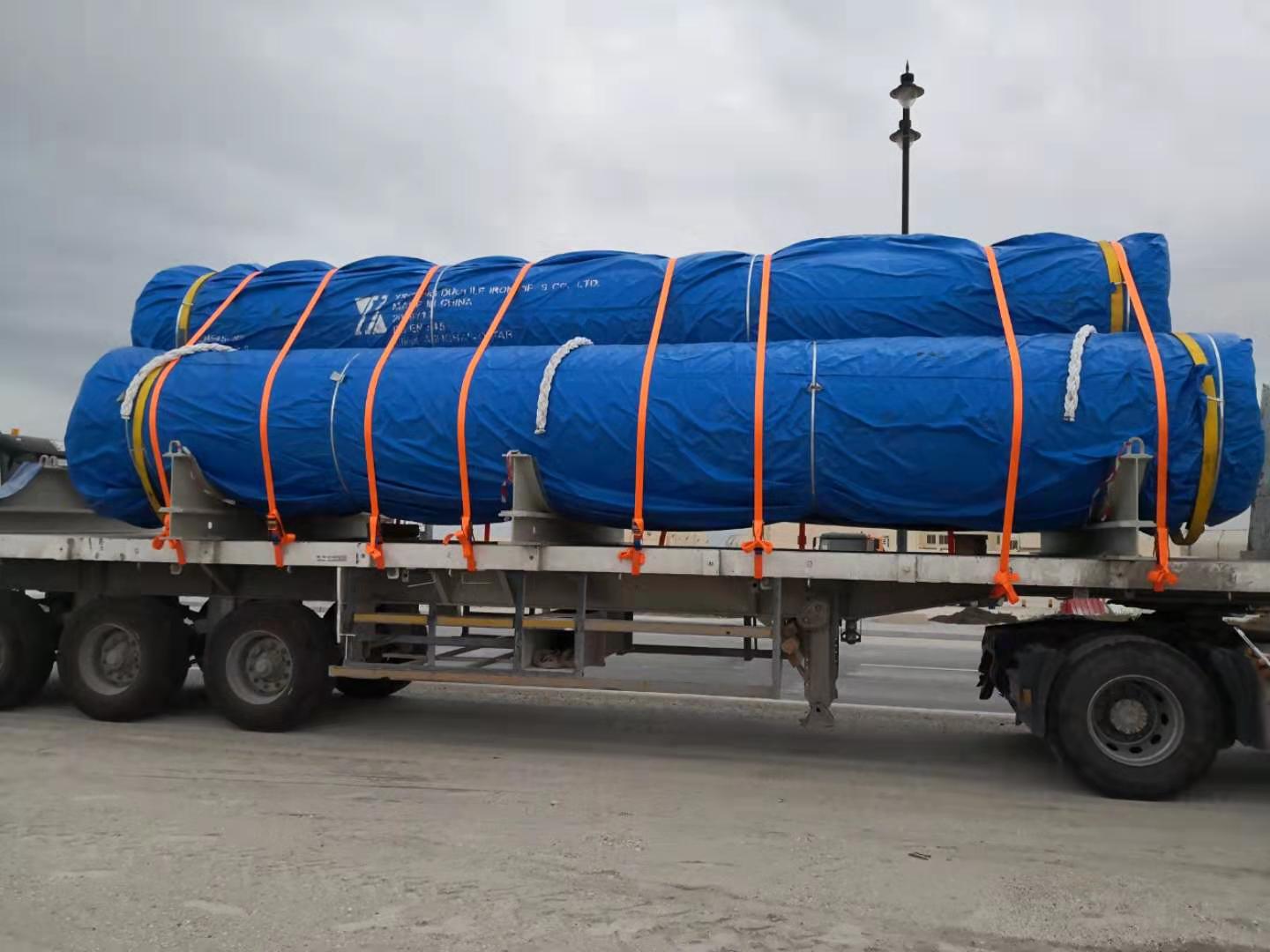
Because these systems are bulky and sensitive to transit damage, logistics planning must begin during the design phase. Skids must be engineered with appropriate lifting lugs and center-of-gravity markings. Coordinating Shipping & Freight for Out of Gauge (OOG) cargo requires specialized freight forwarding to navigate port handling and heavy-lift vessel scheduling.
Ensure your heavy equipment is manufactured to spec and shipped securely.
Talk to our teamFrequently Asked Questions
Successfully sourcing seawater desalting engineering services hinges on rigorous technical oversight. By validating material traceability, enforcing strict FAT protocols, and managing the complex logistics of heavy industrial equipment, procurement teams can secure high-performance water infrastructure while maintaining strict budget controls.
Get Sourcing Help for Seawater Desalting Engineering
Tell us your requirements and our experts will connect you with verified manufacturers.