Seat Heating and Ventilation
Source premium seat heating and ventilation systems directly from vetted manufacturers and suppliers. Designed for automotive aftermarket distributors, wholesale buyers, and brands seeking reliable OEM/ODM production, our factory-direct network ensures you secure bulk components that meet rigorous safety and performance standards.
Sourcing automotive seat climate control systems requires balancing rapid thermal response with long-term electrical safety. Whether you are supplying aftermarket installers, accessory retailers, or integrating systems at the tier-2 level, the core challenge lies in securing components that can withstand constant physical compression, moisture exposure, and thermal cycling without failure or fire risk.
Core Technologies and Specifications
When evaluating suppliers, the technology used in the heating pads and ventilation blowers dictates both the price point and the target market.
Heating Element Materials
The industry standard relies on two primary heating element types. Specifying the wrong material for your application will lead to high defect rates or installation difficulties.
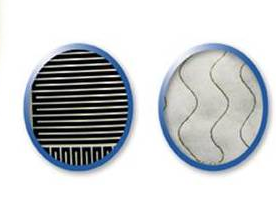
| Feature | Carbon Fiber Pads | Alloy Wire Pads |
|---|---|---|
| Durability | Excellent under compression | Prone to breaking if repeatedly folded |
| Installation | Can be trimmed to fit seat contours | Cannot be cut; destroys the circuit |
| Heat Distribution | Even, honeycomb-like spread | Linear heat along the wire path |
| Cost | Higher unit cost | Economical |
Ventilation System Requirements
For ventilation kits, the critical specifications center around the micro-blowers and the spacer mesh (3D mesh) that allows air to flow under the occupant.
- Blower Output & Noise: Standard automotive requirements demand high static pressure to push air through dense seat foam, while keeping noise levels under 45 dB.
- Spacer Mesh Density: The 3D mesh must resist collapsing under the weight of a heavy occupant. A minimum thickness of 8mm to 10mm with high-rebound synthetic fibers is standard.
Struggling to find suppliers with verifiable automotive quality management systems?
Talk to our teamManufacturing Tolerances and Quality Control
Seat heating and ventilation systems are high-liability products. A failure in a thermal cutoff switch can lead to seat damage or passenger injury. When conducting Factory Audits, you must look beyond basic assembly and evaluate the supplier's electronic component sourcing and testing protocols.
Critical Quality Checkpoints
Factory Evaluation Checklist for Seat Climate Systems
- Verify the presence and rating of bi-metal thermostats (thermal cutoffs) on every heating pad.
- Inspect wiring harness crimps and connectors; they must meet automotive vibration standards.
- Check for conformal coating on the switch PCBs to protect against moisture and spilled liquids.
- Review the supplier's burn-in testing procedures for ventilation blower motors.
- Ensure materials pass FMVSS 302 (or equivalent) automotive flammability standards.
Catching electrical anomalies before shipment is critical. Implementing rigorous Quality Control & Inspection at the factory level ensures that resistance values on heating pads and current draw on blowers match your approved golden sample.
Customization and Private Labeling
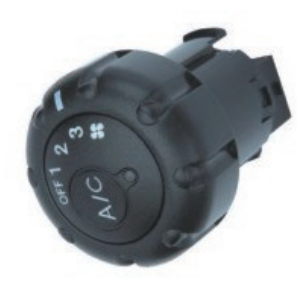
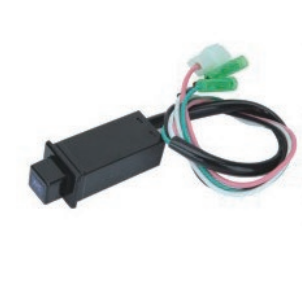
Many buyers require specific switch designs to match the dashboard aesthetics of target vehicle models, or custom wiring harness lengths for specific seat configurations. Leveraging OEM/ODM Services allows you to develop proprietary switchgear, integrate CAN bus controllers for modern vehicle compatibility, and apply custom branding to the packaging and components.
If you are importing into regulated markets, ensure your supplier can provide or facilitate Compliance & Testing for CE, E-mark, or FCC certifications on the electronic control units.
Typical MOQs, Pricing, and Lead Times
Automotive accessories produced in bulk have established economic baselines. Customization heavily influences the minimum order quantities.
Note: Pricing fluctuates based on copper and carbon fiber commodity costs, as well as the complexity of the control module (e.g., simple analog dials vs. digital multi-stage controllers).
Need help negotiating MOQs or managing complex OEM tooling requirements?
Get a free consultationFrequently Asked Questions
Successfully sourcing seat heating and ventilation systems requires a strict focus on electrical safety, material durability, and consistent manufacturing tolerances. Partnering with the right factory—one that understands automotive-grade quality control rather than basic consumer electronics—is the most effective way to protect your brand and ensure long-term profitability.
Get Sourcing Help for Seat Heating and Ventilation
Tell us your requirements and our experts will connect you with verified manufacturers.