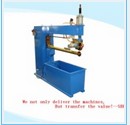
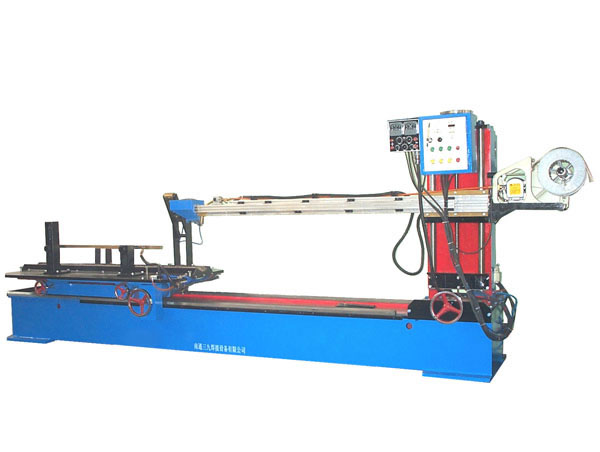
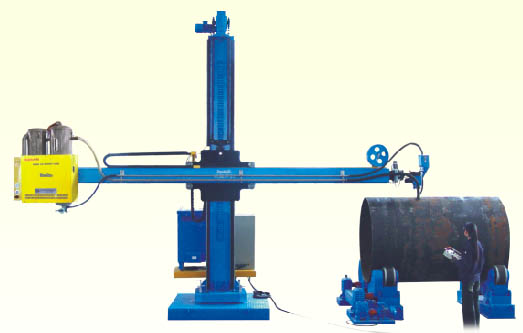
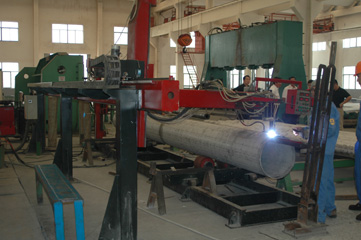
Seam Welders
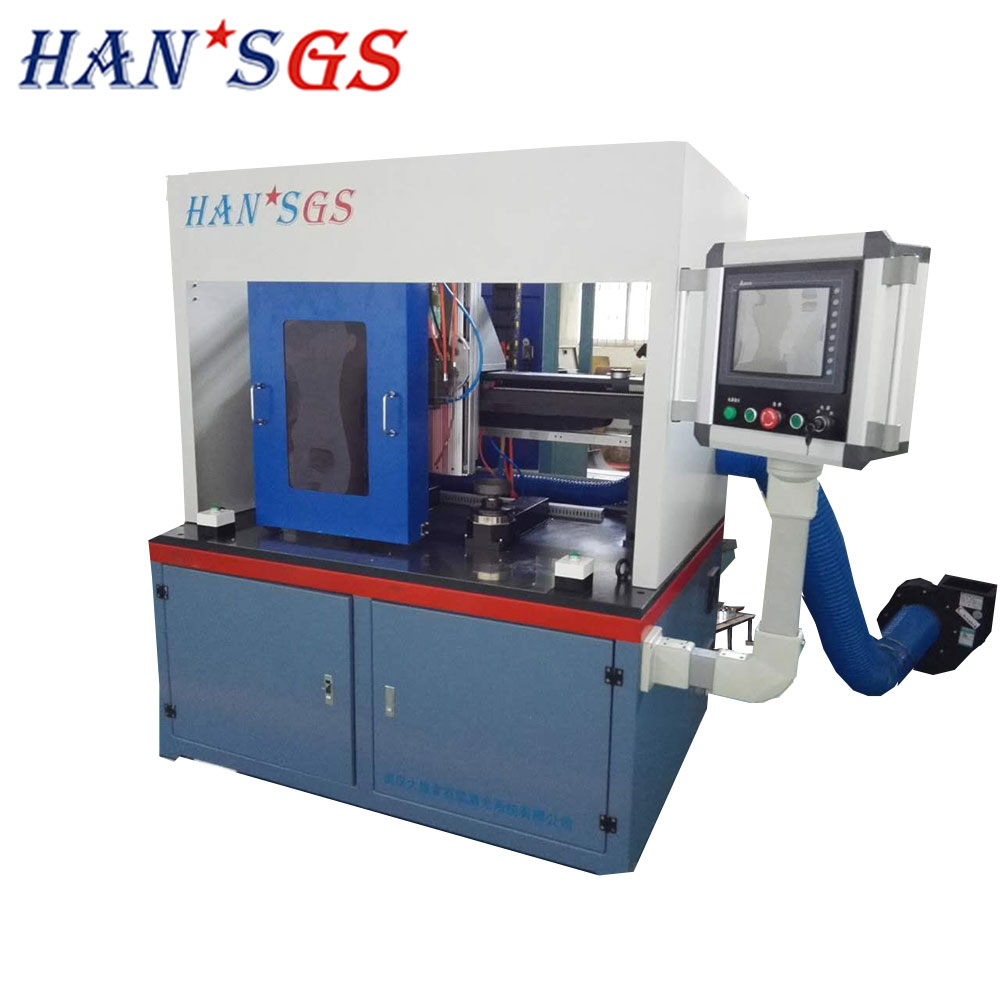
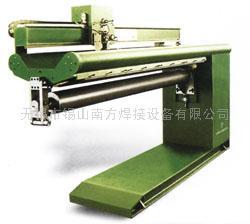
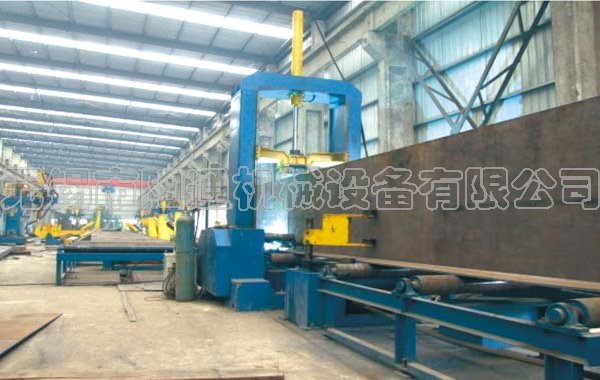
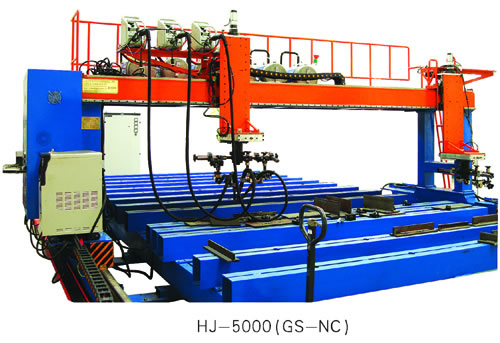
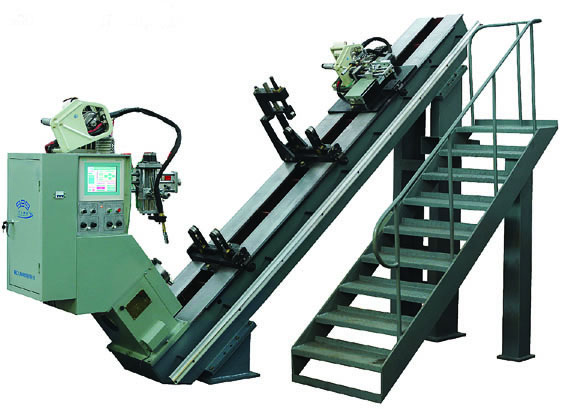
Source industrial-grade Seam Welders from vetted suppliers and manufacturers across Asia. Designed for importers, machinery distributors, and brands requiring custom OEM production, our network delivers reliable resistance welding equipment built for continuous, high-volume manufacturing environments.
Sourcing commercial seam welders requires evaluating more than just the stated KVA rating. Because these machines are tasked with producing continuous, leak-tight joints on overlapping sheet metal—often for critical applications like fuel tanks, pressure vessels, and HVAC ducting—the true value of a supplier lies in their mechanical engineering precision, transformer quality, and control system integration. A poorly constructed frame will deflect under pneumatic pressure, leading to inconsistent weld penetration, while inferior cooling systems will cause rapid thermal degradation during continuous operation.
Core Specifications and Technology Types
When engaging with manufacturers, specifying the correct power delivery system is critical to balancing upfront costs with long-term operational efficiency.
| Power Delivery | Energy Efficiency | Weld Control | Best For |
|---|---|---|---|
| AC (Alternating Current) | Standard / Moderate | Basic phase-shift control | Mild steel, low-carbon steel up to 2mm |
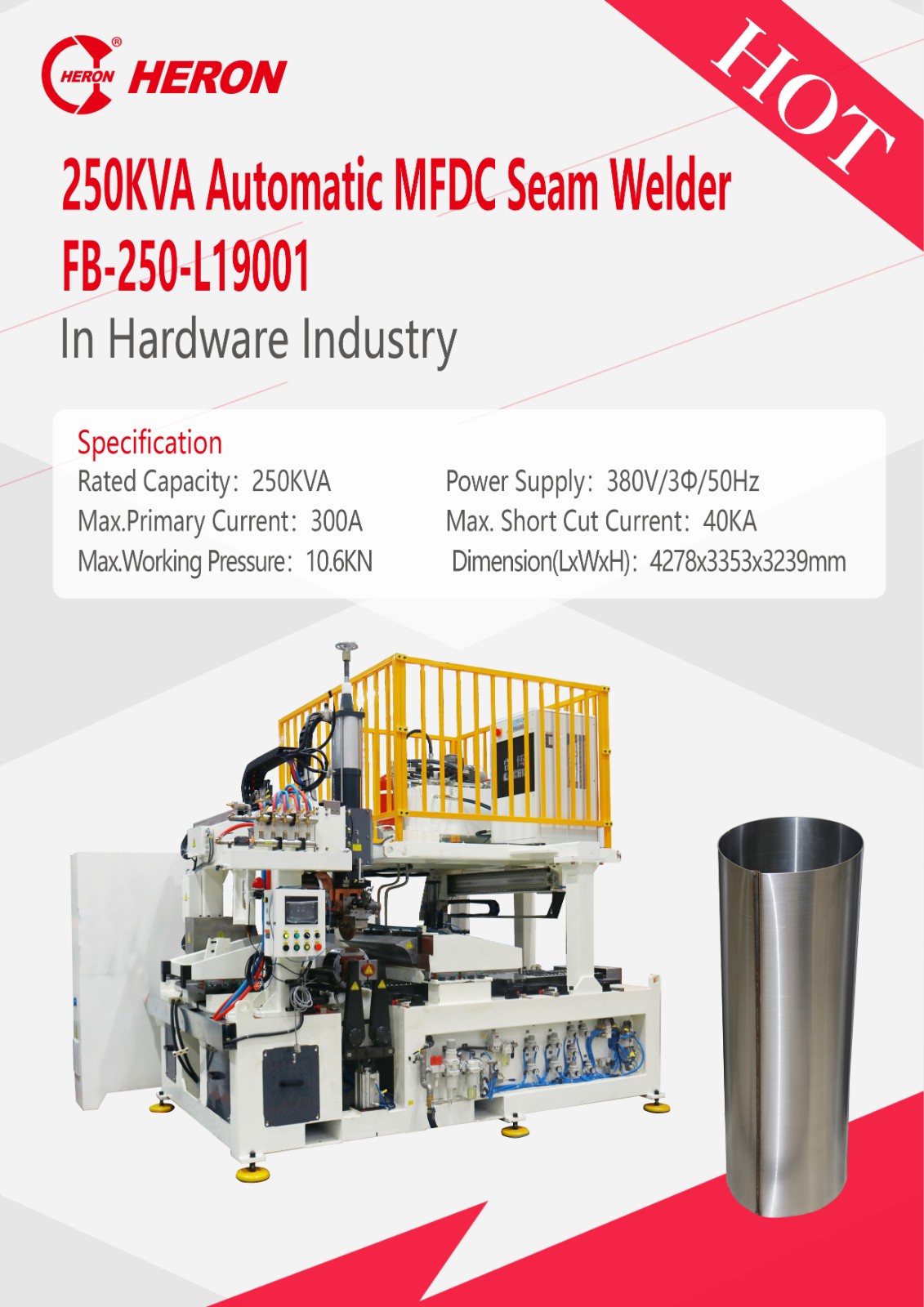
| MFDC (Medium Frequency DC) | High (lower power draw) | Precise, microsecond adjustments | Stainless steel, galvanized steel, aluminum |
| Three-Phase Secondary Rectified | Very High | Highly stable DC output | Heavy-duty industrial, thick plate welding |
Beyond the power source, buyers must define the mechanical parameters. Throat depth directly dictates the maximum size of the workpiece, while the electrode wheel diameter and profile (flat, radiused, or beveled) must be matched to the material thickness and joint design. Ensure the supplier utilizes high-quality copper alloys (such as Chromium Zirconium Copper) for the electrode wheels to maximize conductivity and wear resistance.
Need help matching machine specifications to your production line? Speak with our sourcing engineers.
Discuss your technical requirementsManufacturing Quality and Supplier Vetting
The primary failure point in budget seam welders is the main welding transformer. High-end manufacturers wind their transformers exclusively with high-purity electrolytic copper, whereas lower-tier factories may use copper-clad aluminum to cut costs. Aluminum windings run hotter, are less efficient, and significantly reduce the lifespan of the machine under heavy duty cycles.
Verifying these internal components requires rigorous Factory Audits before placing an order. A capable supplier should demonstrate:
- In-house machining capabilities: The machine frame must be milled on heavy-duty CNC gantries to ensure perfect alignment between the upper and lower electrode shafts.
- Robust cooling infrastructure: The transformer, thyristors, and electrode heads must all have dedicated, high-flow water cooling channels.
- Premium pneumatics: Proportional valves and cylinders from recognized brands (e.g., SMC or Festo) ensure the welding pressure remains constant, even as the wheel traverses the seam.
Beware of Control System Substitutions
Always specify the exact brand of the PLC and touch screen interface in your purchase contract. Suppliers may substitute domestic, proprietary control boards that lack English documentation or long-term software support, making future maintenance nearly impossible.
Factory Acceptance Testing (FAT) and Quality Control
Never allow a seam welder to ship without a comprehensive Factory Acceptance Test using your exact workpiece materials. Because these machines are heavy and expensive to return, Quality Control & Inspection must happen on the factory floor.
Critical Pre-Shipment Inspection Points
- Verify transformer winding material and KVA output against the specification sheet.
- Run a continuous weld test at maximum rated capacity to monitor water cooling temperatures.
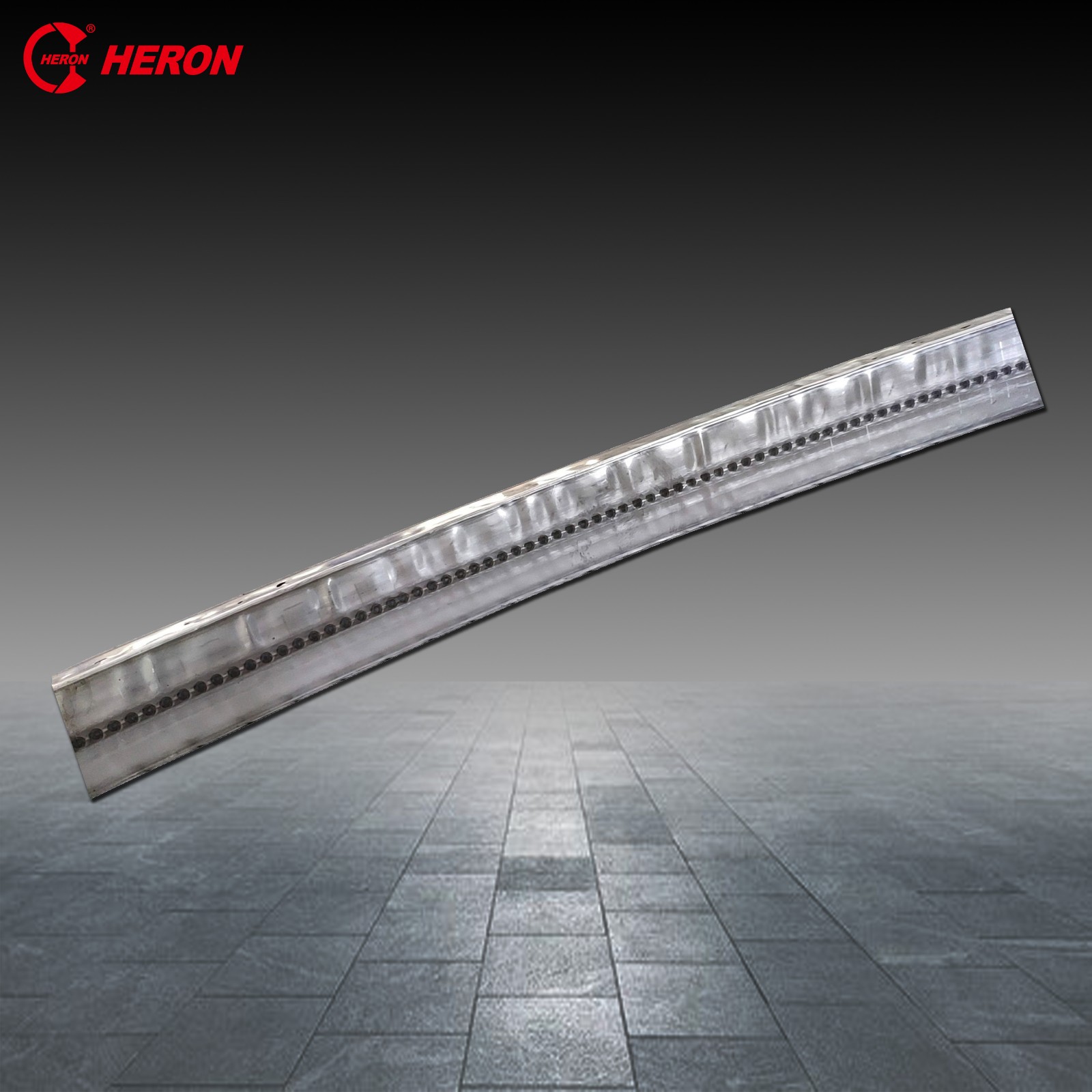
- Perform a peel test or hydrostatic leak test on the welded seam to confirm joint integrity.
- Measure the frame for deflection under maximum pneumatic cylinder pressure.
- Ensure all PLC menus and safety warnings are correctly localized in the target language.
Pricing, MOQs, and Logistics
Because seam welders are capital equipment, Minimum Order Quantities (MOQs) are almost always 1 unit. However, pricing varies drastically based on the power output (KVA), the type of transformer (AC vs. MFDC), and the level of CNC automation.
Given the extreme weight and dimensions of these machines, they typically ship via LCL (Less than Container Load) in heavy-duty wooden crates, or require a dedicated 20ft container for larger automated setups. Coordinating Shipping & Freight early in the procurement process is essential, as the crating and rigging requirements will impact your landed costs.
Ready to source reliable welding equipment? Let our team handle the supplier vetting and logistics.
Get a freight and sourcing quoteFrequently Asked Questions
Sourcing commercial seam welders is an exercise in risk mitigation. Success depends on verifying the structural integrity of the machine frame, the thermal efficiency of the transformer, and the reliability of the control systems before a single dollar is wired. By defining strict technical parameters and enforcing rigorous on-site testing, buyers can secure high-performance welding equipment that delivers decades of reliable service.
Get Sourcing Help for Seam Welders
Tell us your requirements and our experts will connect you with verified manufacturers.