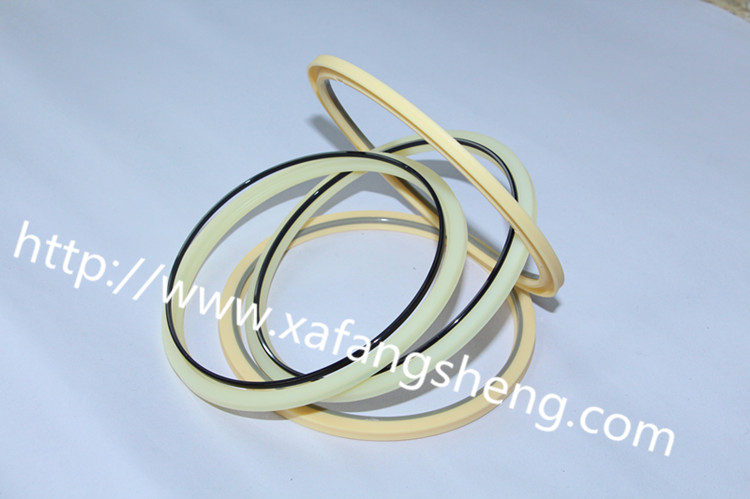
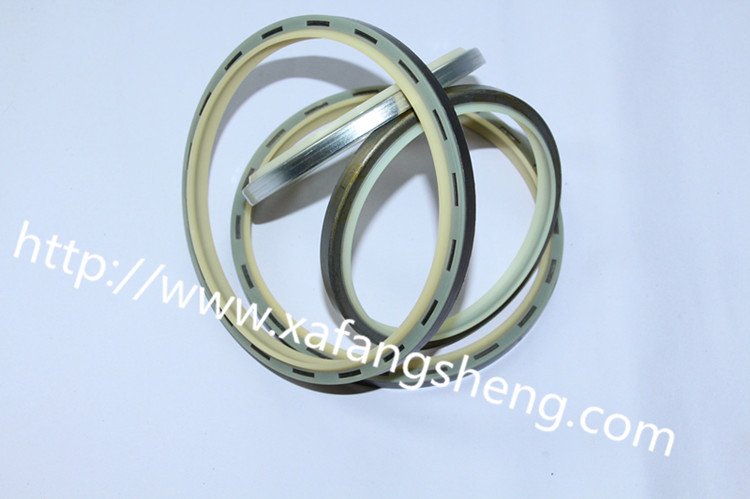
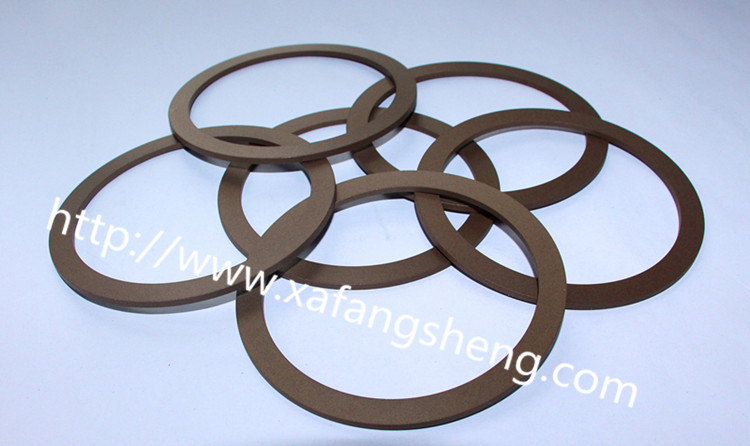
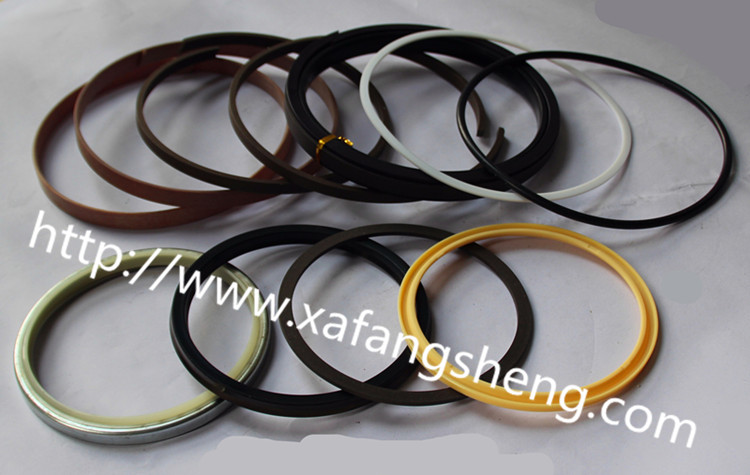
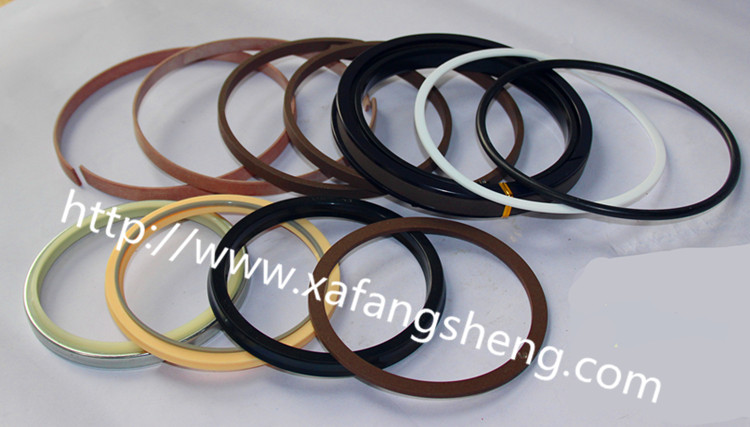
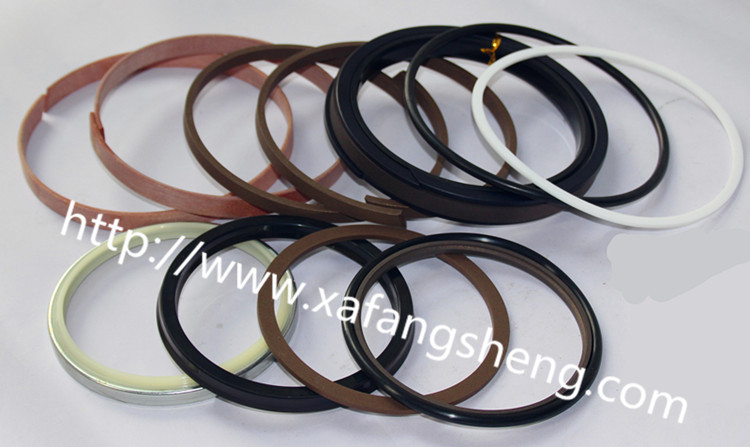
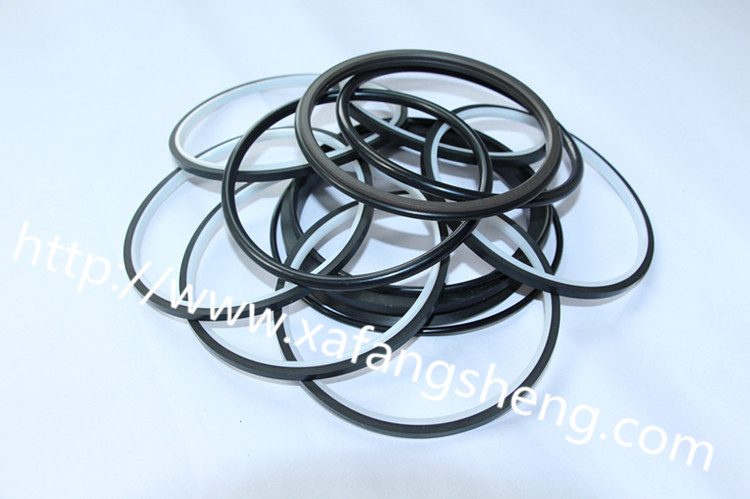
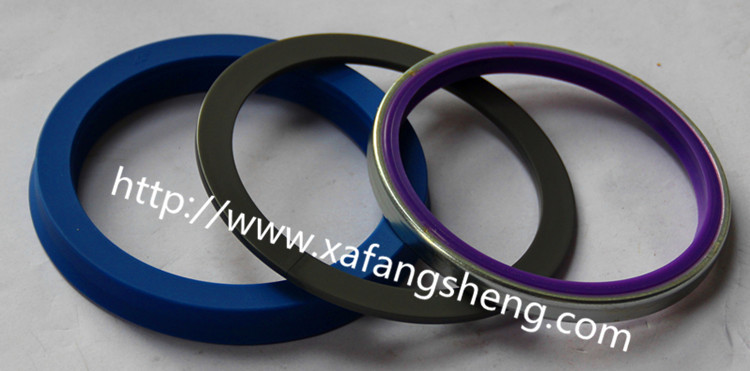
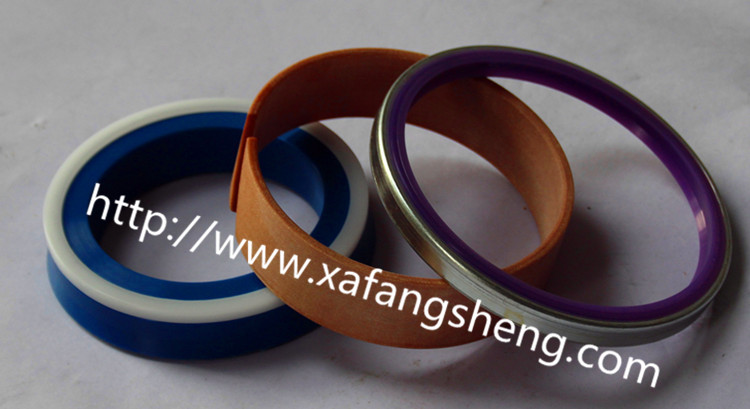
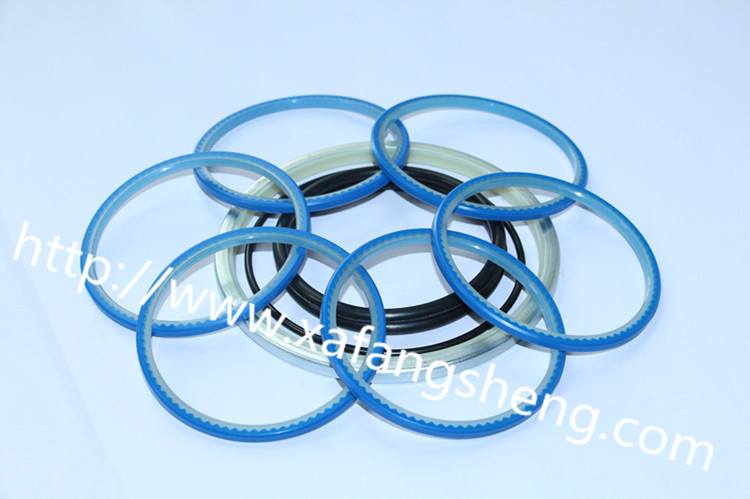
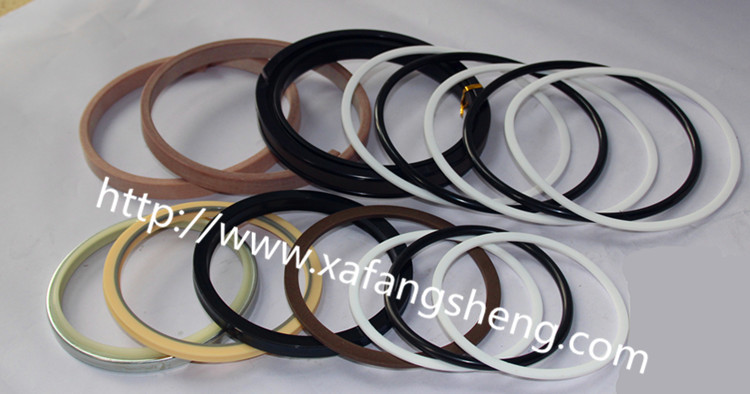
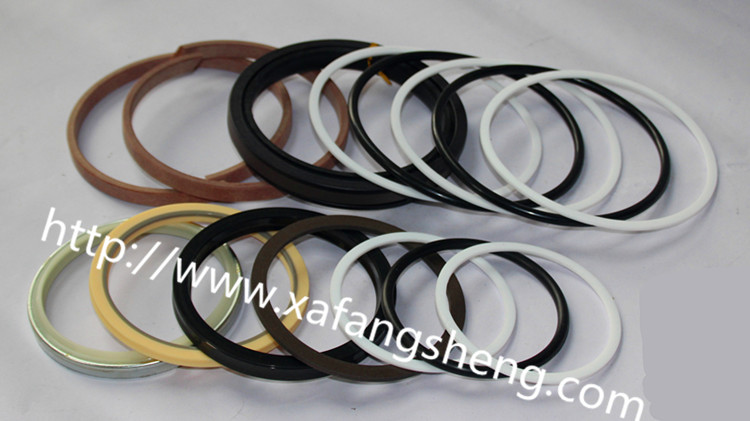
Seal Components
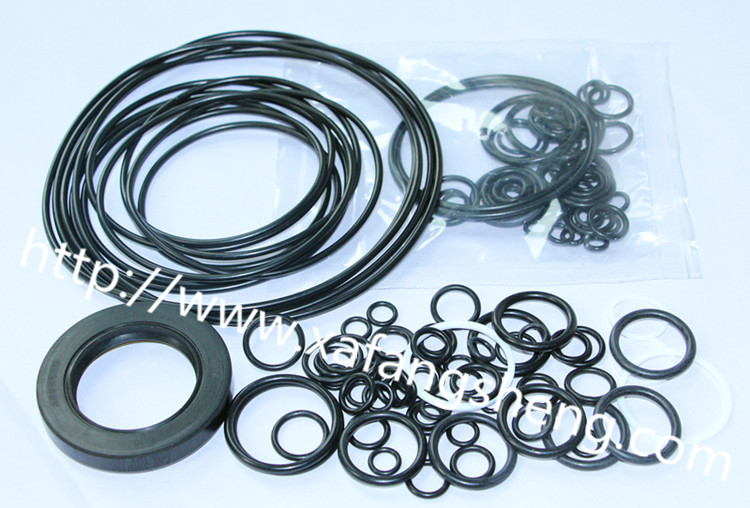
Source high-performance Seal Components from vetted manufacturers and suppliers in China and across Asia. Built for industrial importers, distributors, and OEM brands buying in bulk, our network delivers precision-engineered sealing solutions. Secure competitive wholesale pricing and reliable factory-direct production today.
Industrial sealing applications leave zero margin for error. A micro-fracture, a slight dimensional deviation, or an improper material cure in a seal component can lead to catastrophic fluid loss, pressure drops, or total equipment failure. Sourcing these components in volume requires strict alignment between the intended operating environment—factoring in temperature extremes, pressure spikes, and chemical exposure—and the manufacturer's compounding and molding capabilities.
When buying in bulk, success depends on identifying factories with rigorous batch-control processes, precise tooling capabilities, and reliable raw material supply chains.
Material Selection and Compounding
The core of any seal component is the elastomer compound. Factories rarely use pure raw rubber; they mix base polymers with carbon black, plasticizers, curing agents, and anti-aging additives. The quality of this mixing process directly dictates the seal's compression set (its ability to return to its original shape), tensile strength, and durometer (hardness, typically measured in Shore A).
| Material | Temp Range | Oil Resistance | Typical Application |
|---|---|---|---|
| NBR (Nitrile) | -40 to 120 C | Excellent | General hydraulics, fuel systems |
| FKM (Viton) | -20 to 200 C | Outstanding | High-temp aerospace, chemical processing |
| EPDM | -50 to 150 C | Poor | Weather seals, steam, brake fluids |
| PTFE (Teflon) | -200 to 260 C | Outstanding | Extreme chemical environments, low friction |
Material Authenticity
Premium compounds like genuine FKM are expensive. Unverified suppliers may blend FKM with cheaper elastomers to cut costs, which severely degrades high-temperature performance. Always require specific gravity testing and FTIR (Fourier Transform Infrared) analysis for high-stakes applications.
Need help verifying factory compounding capabilities and securing authentic raw materials for your custom seals?
Talk to our teamManufacturing Processes and Tolerances
Most elastomeric seal components are produced via compression molding or injection molding. Injection molding offers tighter tolerances and faster cycle times for high-volume runs, but requires significantly higher upfront tooling investment. Compression molding is standard for lower volumes or extremely large seals, though it generates more flash (excess material at the parting line).
For custom profiles, engaging a partner with robust OEM/ODM Services is critical. The factory must design the mold cavities to account for the specific shrinkage rate of the chosen elastomer compound during the curing phase.
Deflashing and Quality Control
Flash removal is a major quality differentiator. Manual deflashing is prone to human error and can damage the critical sealing lip. Advanced manufacturers utilize cryogenic deflashing, where the parts are tumbled with liquid nitrogen to freeze the thin flash, making it brittle enough to snap off cleanly without affecting the main body of the seal.
Critical QC Checkpoints for Seal Components
- Cross-section consistency (measuring multiple points to ensure uniform thickness)
- Parting line mismatch (ensuring mold halves align perfectly to prevent step defects)
- Surface finish inspection (checking for flow marks, non-fill areas, or inclusions)
- Compression set testing (verifying the compound was cured at the correct time and temperature)
- Batch traceability (linking finished parts back to specific raw material mixing logs)
Implementing rigorous Quality Control & Inspection before shipment ensures that dimensional deviations or curing defects are caught before they enter your assembly line.
Supplier Vetting and Industry Standards
Not all rubber molding factories are equipped for high-precision industrial seals. Many focus on consumer-grade rubber parts where tolerances are loose. When sourcing for automotive, aerospace, or heavy machinery, you must verify the supplier's quality management systems. Look for ISO 9001 as a baseline, and IATF 16949 for automotive applications. Conducting comprehensive Factory Audits is the most reliable way to confirm a supplier's testing lab capabilities (e.g., in-house rheometers, tensile testers, and optical comparators).
Pricing, MOQs, and Lead Times
Custom seal tooling in Asia is highly cost-effective, but Minimum Order Quantities (MOQs) are rarely dictated by the piece count. Instead, factories base MOQs on the minimum batch size of the internal mixer (often a Banbury mixer) used to compound the raw rubber.
For standard, off-the-shelf O-rings or standard hydraulic seals, MOQs can be lower if the factory already has the compound mixed and tooling available.
Ready to optimize your procurement strategy and negotiate better terms with vetted seal manufacturers?
Get a free consultationFrequently Asked Questions
A seal component that costs pennies can easily shut down equipment worth millions. Sourcing these parts effectively means looking past the unit price to scrutinize the manufacturer's compounding expertise, tooling precision, and curing controls. Partnering with experienced sourcing professionals ensures your supply chain is built on verifiable quality, not just promises.
Get Sourcing Help for Seal Components
Tell us your requirements and our experts will connect you with verified manufacturers.