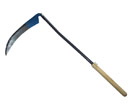
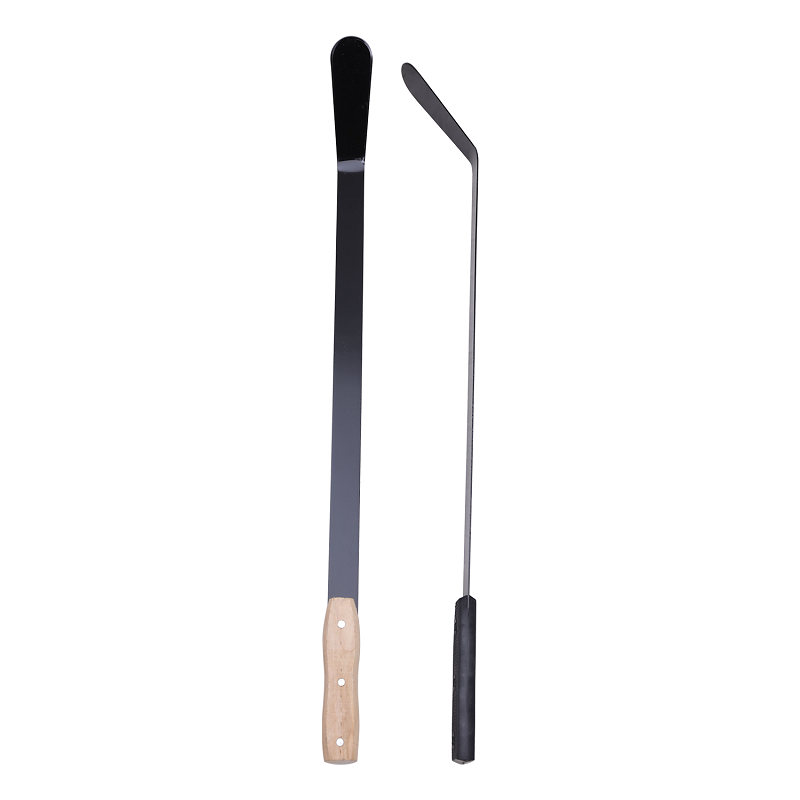
Scythes
Source high-quality scythes from vetted suppliers and manufacturers across Asia. Designed for agricultural and garden tool importers, distributors, and brands seeking reliable wholesale purchasing or custom OEM production. We ensure competitive pricing, strict quality control, and seamless logistics for your bulk orders.
Sourcing scythes in volume requires navigating a fragmented supplier base where the difference between a professional-grade agricultural tool and a disposable garden implement comes down to metallurgy and heat treatment. The core challenge for buyers is finding manufacturers capable of consistent blade tensioning, precise edge geometry, and robust handle assembly at scale.
Blade Metallurgy and Manufacturing
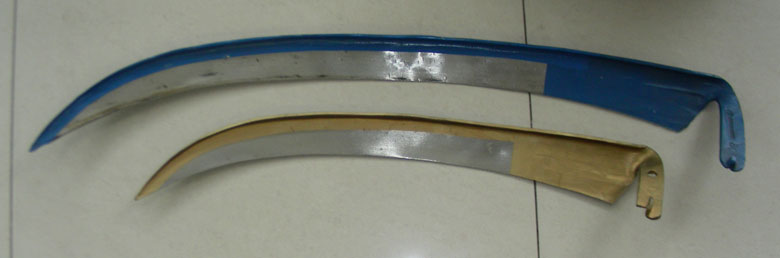
The blade is the critical failure point in poorly manufactured scythes. High-volume production typically relies on two methods: stamping from sheet metal or drop forging. While stamped blades are cheaper and faster to produce, they lack the structural integrity and edge-holding capabilities required for heavy agricultural clearing.
Professional-grade scythes demand high-carbon steel (commonly 65Mn or T10 tool steel) that has been properly heat-treated. The steel must achieve a delicate balance: hard enough to hold a sharp edge, but malleable enough to allow for peening (cold-forging the edge to sharpen it) without cracking.
| Manufacturing Method | Typical Material | Edge Maintenance | Target Market |
|---|---|---|---|
| Drop Forged | High-carbon steel (e.g., 65Mn) | Can be peened; excellent retention | Professional agriculture, heavy clearing |
| Stamped | Medium-carbon sheet steel | Requires grinding; moderate retention | Light landscaping, budget retail |
Struggling to find factories that can consistently meet your metallurgical specifications? Let us help you identify qualified forging partners.
Talk to our teamSnath (Handle) Specifications and Ergonomics
The snath dictates the ergonomics and operational efficiency of the scythe. When sourcing, you must specify the material and the connection mechanism (the ring and wedge, or modern bolted clamps).
- Wood (Ash or Hickory): Traditional, highly sought after in European and North American markets. Requires strict moisture content control during manufacturing to prevent warping or splitting in transit.
- Tubular Steel or Aluminum: Common in modern, budget-friendly, or heavy-duty industrial models. These must feature reinforced connection points, as thin-walled tubing will crush under the torque of the blade clamp.
If you are developing a proprietary ergonomic snath design, working with a factory that offers robust OEM/ODM Services is essential to ensure the tooling and bending processes match your CAD specifications precisely.
Quality Control Checkpoints
Defects in scythe manufacturing often do not become apparent until the tool is under heavy load. Implementing stringent Quality Control & Inspection protocols before the goods leave the factory is non-negotiable.
Critical Factory Inspection Points
- Rockwell Hardness (HRC) testing: Verify blades fall within the specified HRC 45-52 range (or your specific requirement).
- Tang angle alignment: Ensure the tang (neck) is angled correctly to keep the blade parallel to the ground during the swing.
- Snath moisture content: For wooden handles, verify moisture levels are under 14 percent to prevent mold and warping.
- Hardware torque test: Test the blade attachment rings and bolts for stripping under maximum tightening torque.
- Surface finish: Check for uniform powder coating or rust-preventative oil application on carbon steel blades.
Relying on a factory's internal QC is risky. Conducting independent Factory Audits prior to placing your first order ensures the supplier actually possesses the heat-treatment ovens and testing equipment they claim to have.
Pricing, MOQs, and Lead Times
Pricing for scythes varies dramatically based on blade length, steel grade, and snath material. Because these are bulky items, packaging and shipping density also heavily influence your landed cost.
Note: To optimize freight costs, scythes are almost exclusively shipped unassembled (blades packed flat in oiled paper, snaths bundled). You must account for the end-user assembly experience in your product instructions.
Need to optimize your landed costs or negotiate better terms with overseas tool manufacturers? Our sourcing experts can evaluate your current supply chain.
Get a free consultationFrequently Asked Questions
Successful scythe sourcing comes down to controlling the variables in the forging and heat-treatment phases. By partnering with vetted manufacturers who understand agricultural tool metallurgy, you can deliver a product that performs reliably in the field.
Get Sourcing Help for Scythes
Tell us your requirements and our experts will connect you with verified manufacturers.