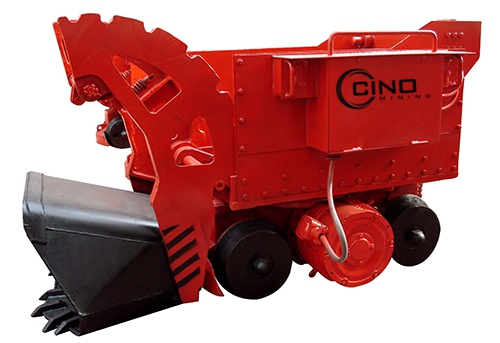
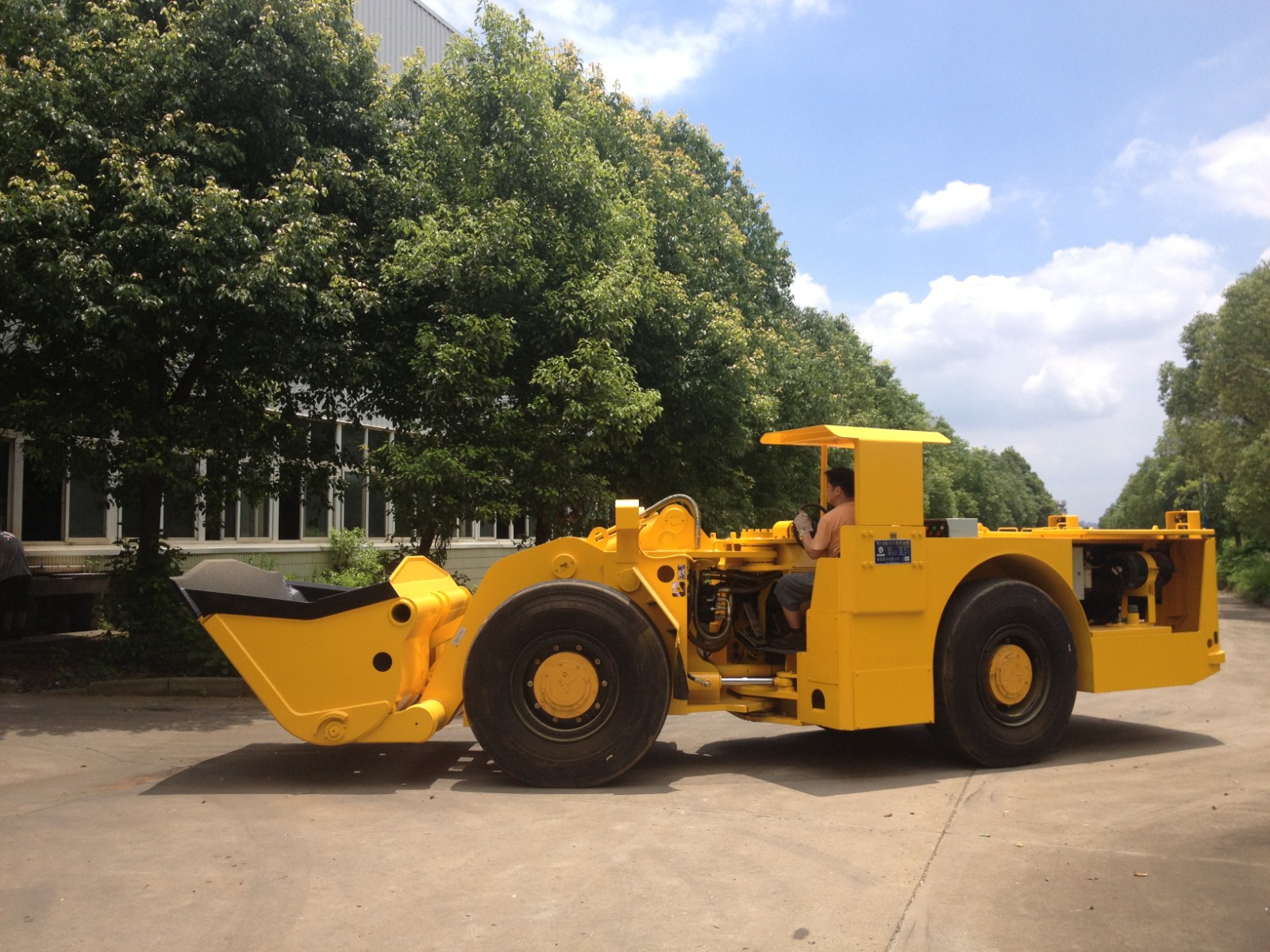
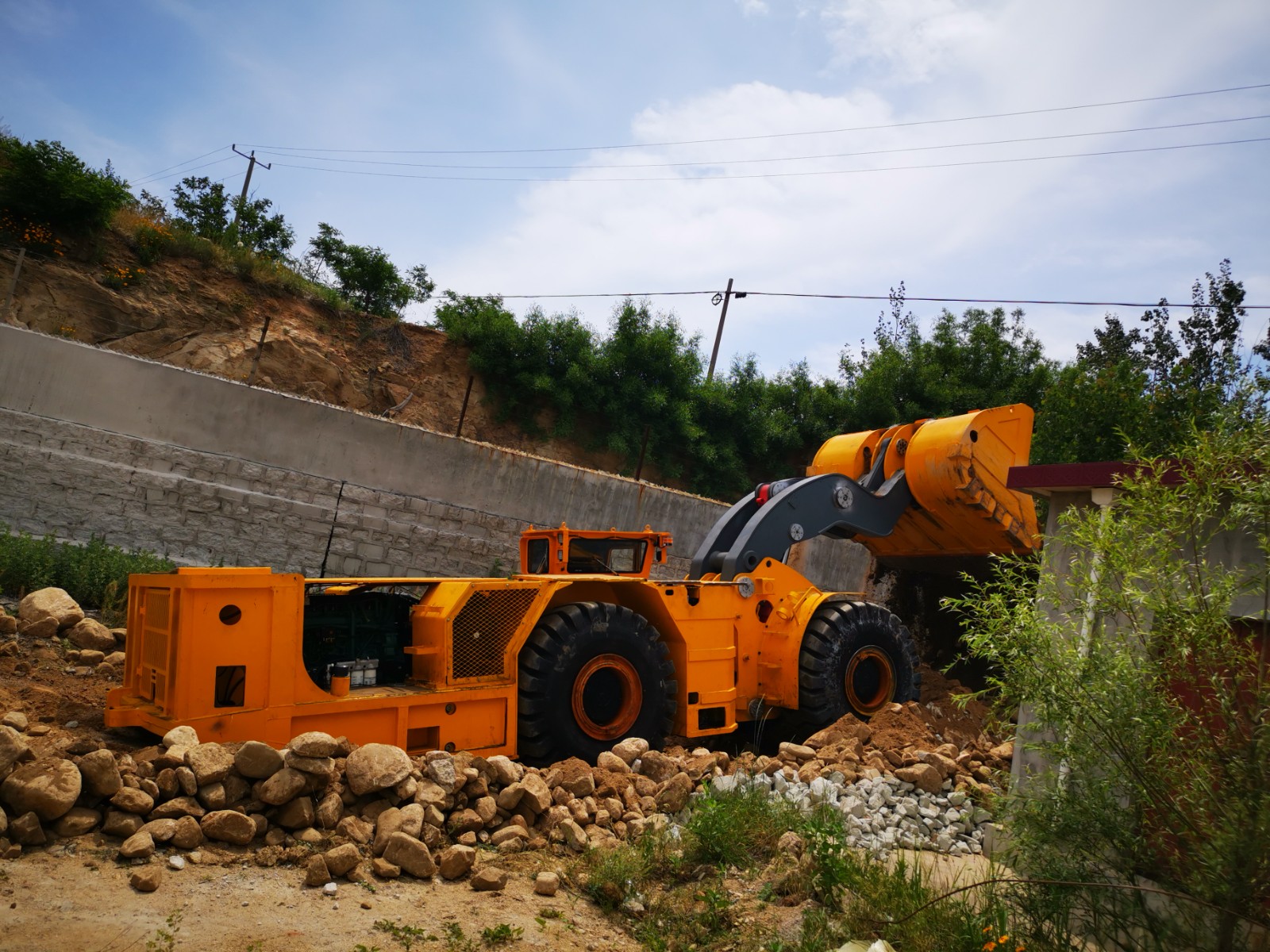
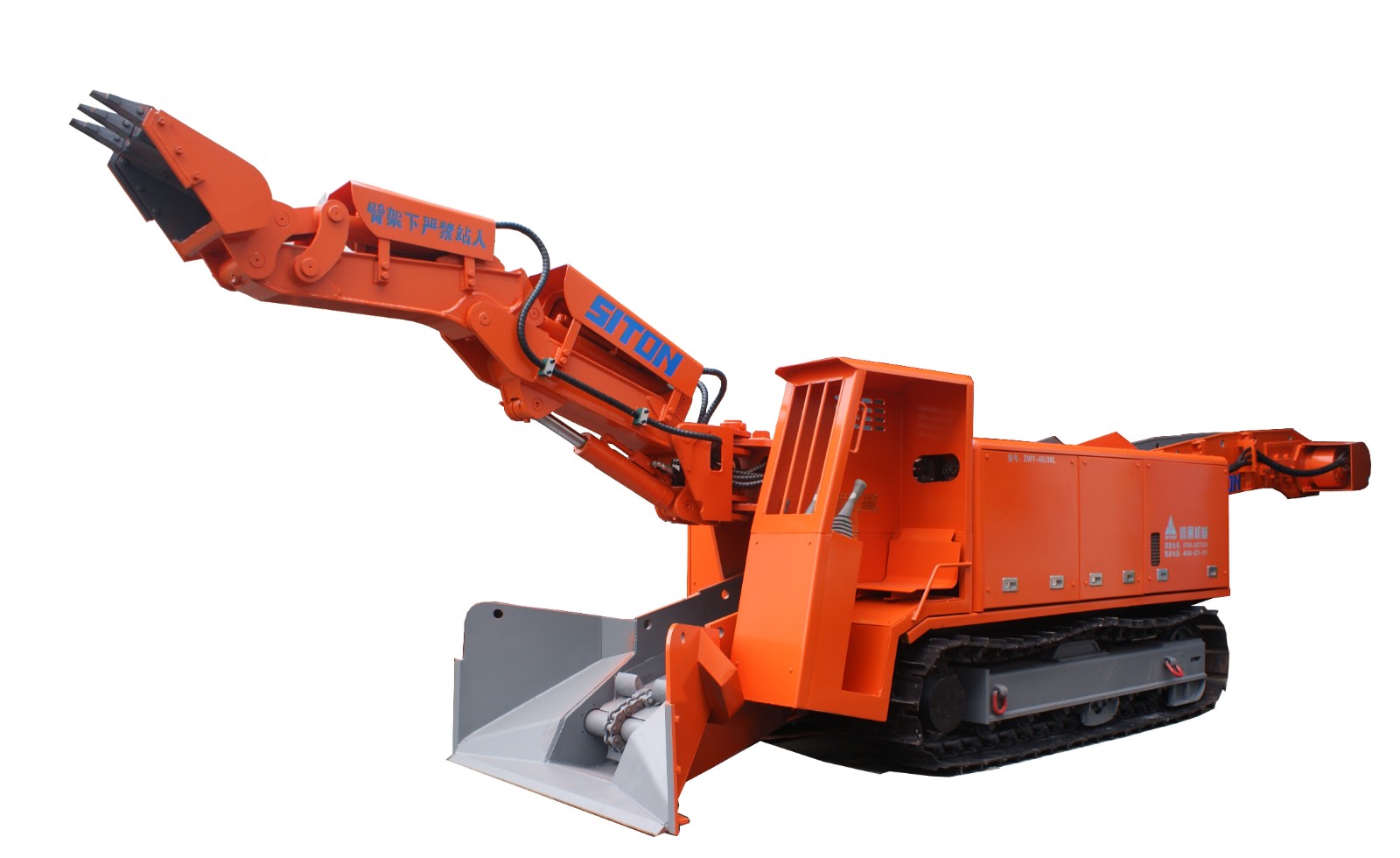
Scooptrams
Source high-performance underground scooptrams from vetted suppliers and manufacturers. Designed for mining equipment distributors, heavy machinery importers, and procurement managers buying in volume, our wholesale catalog features robust LHD loaders built for rigorous subterranean environments.
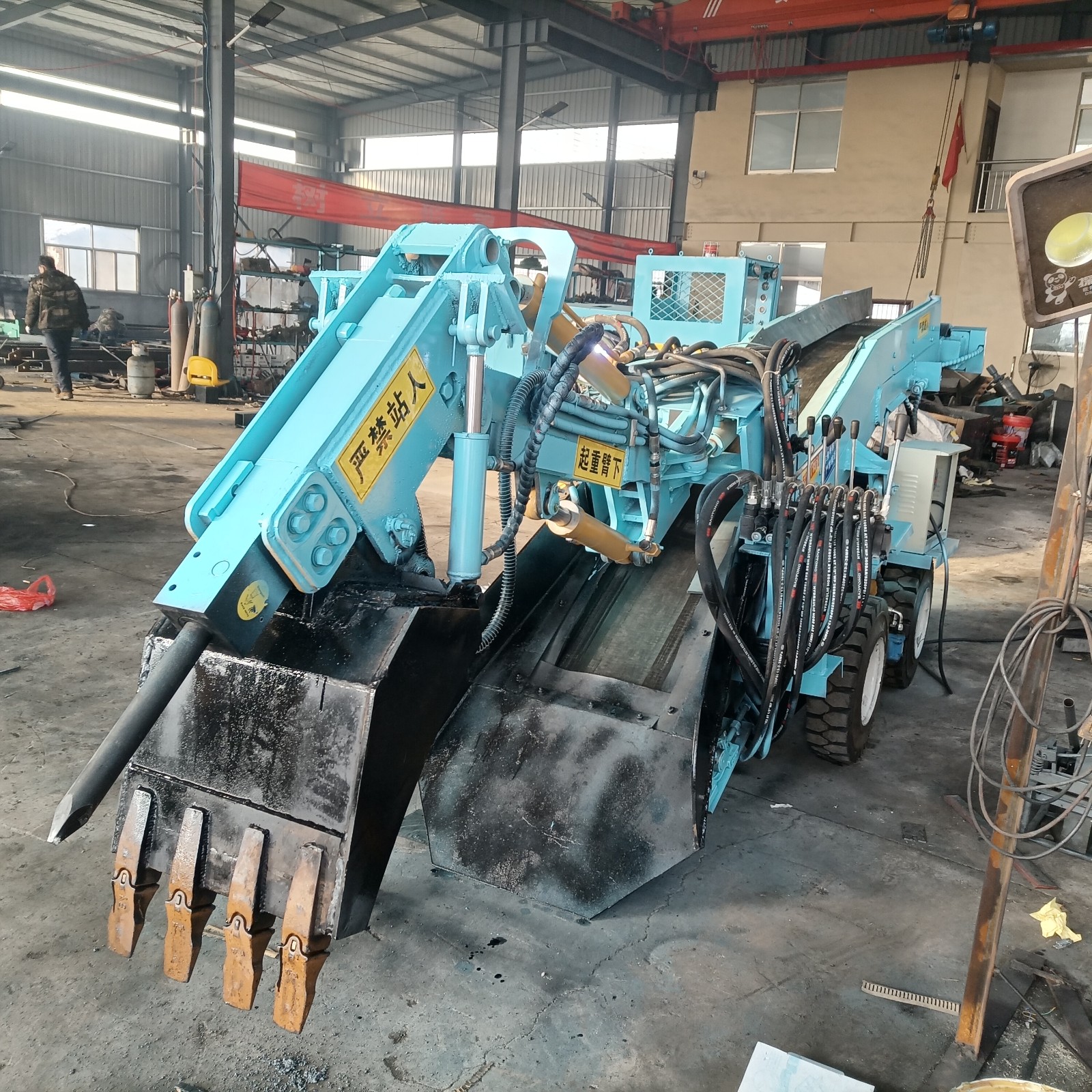
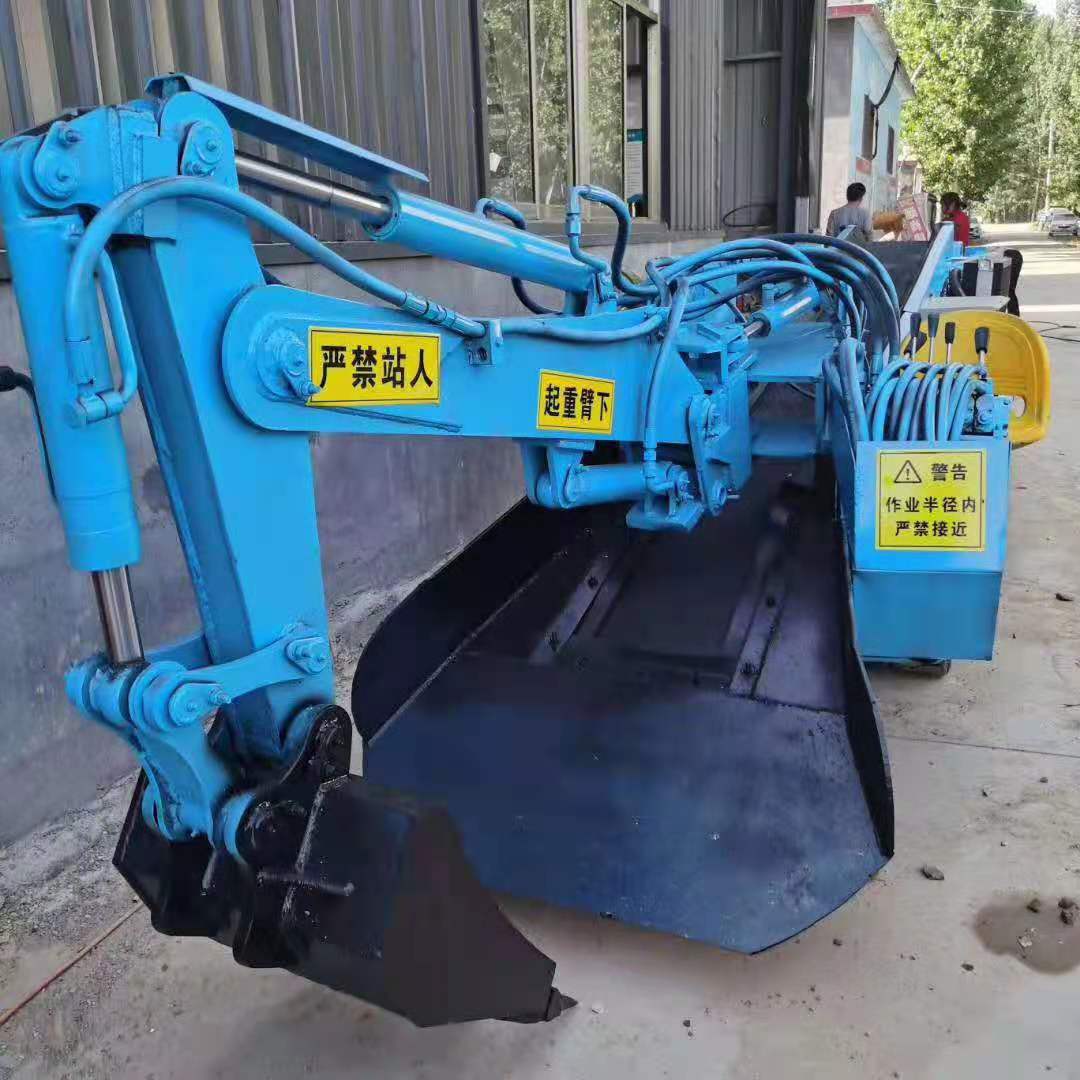
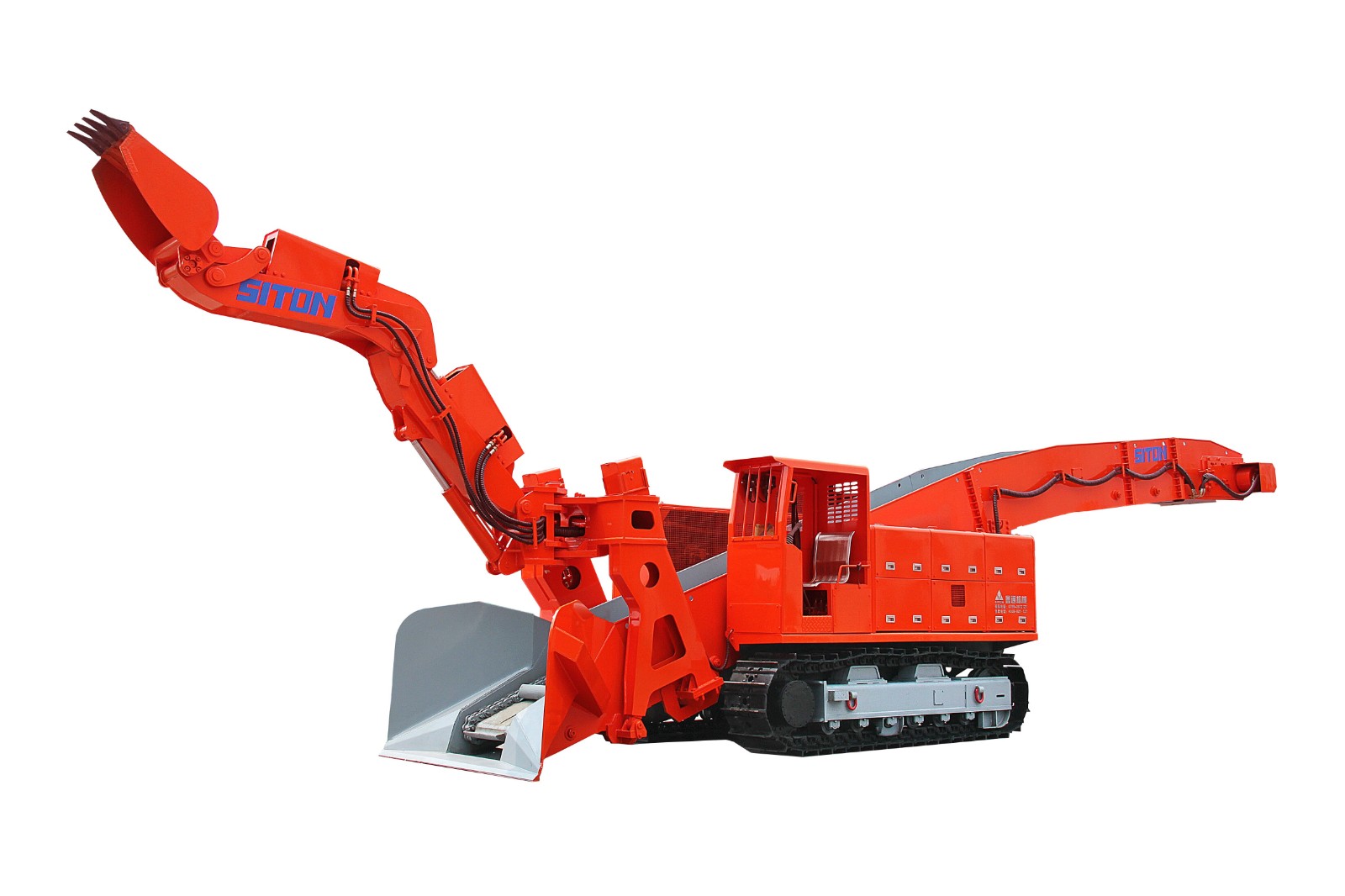
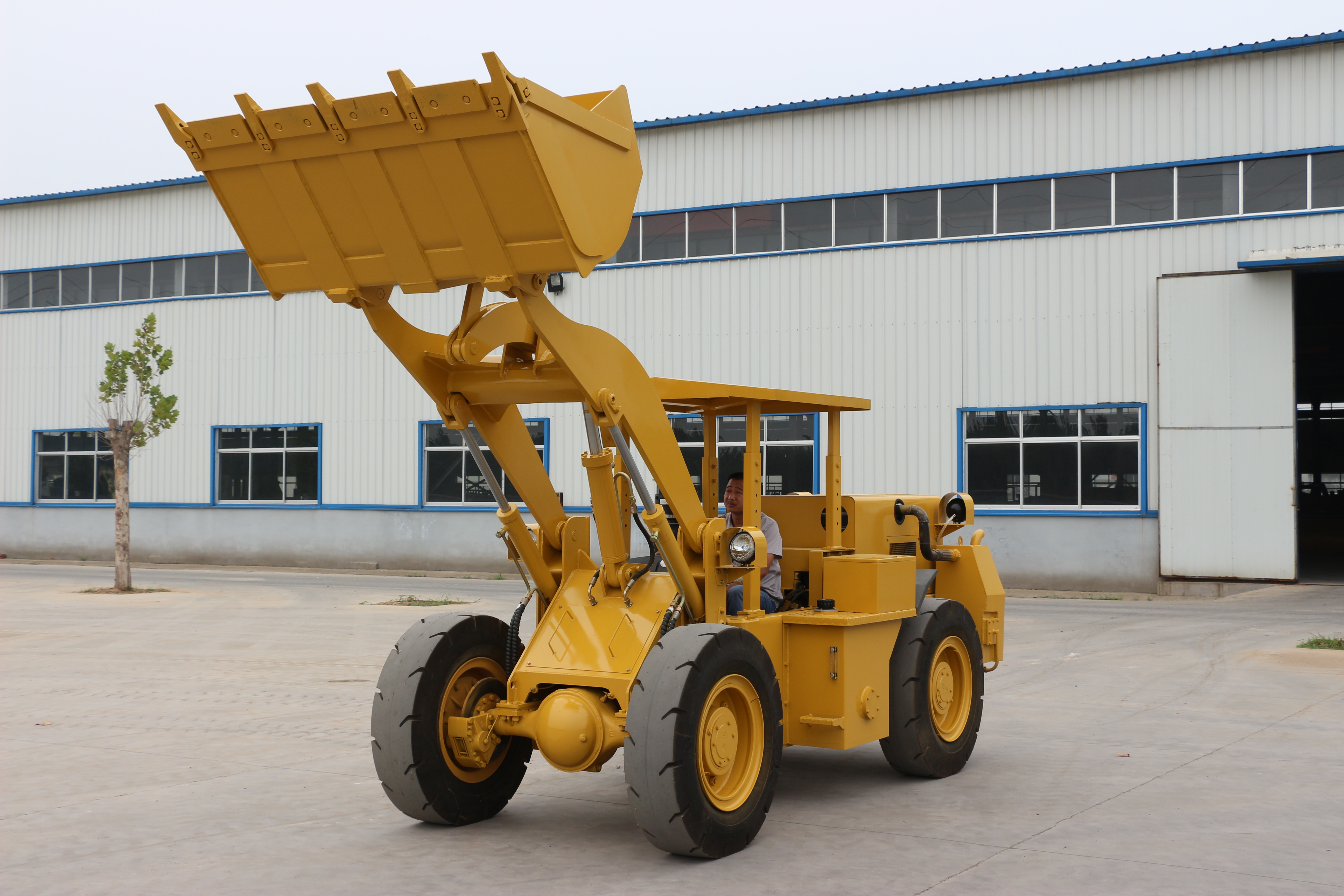
Scooptrams, widely known as Load-Haul-Dump (LHD) loaders, are the workhorses of underground hard rock mining and tunneling. Sourcing these heavy-duty machines directly from overseas manufacturers offers significant capital expenditure savings. However, the core challenge for importers and procurement teams is identifying factories capable of delivering consistent hydraulic reliability, certified emission controls, and structural integrity that can withstand highly abrasive, confined environments.
Core Specifications for LHD Loaders
When negotiating with manufacturers, specifying the right technical parameters is critical to ensure the machine matches the specific drift dimensions and ore density of the target mine.
Key specifications to define in your purchase order include:
- Tramming Capacity & Bucket Volume: Typically ranging from 1 to 14 metric tons (or 0.5 to 7.0 cubic meters). Ensure the bucket design (e.g., lip shrouds, heel shrouds) matches the abrasiveness of the material.
- Powertrain & Emissions: Diesel engines must meet regional underground ventilation standards (e.g., EPA Tier 3, Tier 4 Final, or EU Stage V). Battery-electric vehicles (BEVs) are increasingly popular to eliminate underground exhaust and reduce ventilation costs.
- Dimensions & Turning Radius: Narrow vein models require an ultra-compact footprint and a tight inner turning radius. The articulation angle (usually around 40 degrees) dictates maneuverability in confined drifts.
| Powertrain Type | Ventilation Requirement | Upfront Cost | Maintenance Intensity |
|---|---|---|---|
| Diesel (Tier 3/Stage III) | High | Standard | High |
| Diesel (Tier 4 Final/Stage V) | Moderate | Premium | High |
| Battery-Electric (BEV) | Zero exhaust | Highest | Low |
Manufacturing Standards and Factory Vetting
The structural integrity of a scooptram relies entirely on the quality of its articulated chassis and boom arms. Substandard welding will inevitably lead to stress fractures under heavy load cycles.
When evaluating a manufacturer, you must verify their fabrication standards. Look for ISO 3834 certification for welding quality. Furthermore, reputable manufacturers will use high-strength, wear-resistant steel (such as Hardox 450 or 500) for the bucket and critical wear points. Because verifying these capabilities remotely is difficult, executing comprehensive Factory Audits is a vital step before placing a deposit.
Critical Factory Verification Points
- Verify in-house Non-Destructive Testing (NDT) capabilities for chassis welds.
- Confirm the origin of major hydraulic components (e.g., Danfoss, Rexroth, Parker).
- Review CE, ROPS (Roll-Over Protective Structures), and FOPS (Falling Object Protective Structures) certifications.
- Check for dedicated testing grounds simulating underground inclines and loads.
Sourcing heavy mining machinery requires rigorous on-site verification. Let our engineering team handle supplier vetting and compliance to ensure your equipment performs flawlessly.
Talk to our teamQuality Control and Factory Acceptance
A scooptram is a complex integration of mechanical, hydraulic, and electrical systems. Relying solely on the manufacturer's final inspection report is a high-risk strategy. Professional buyers mandate rigorous Quality Control & Inspection protocols, specifically a Factory Acceptance Test (FAT) prior to shipment.
During the FAT, inspectors should verify hydraulic pressure stability under maximum load, test the articulation joint for smooth operation without binding, and ensure all emergency braking systems engage within specified tolerances.
Pricing, MOQ, and Lead Time Realities
Scooptrams are high-value, low-volume assets. Manufacturers generally do not hold finished inventory due to the high degree of customization required for different mining operations.
Shipping heavy machinery also requires specialized logistics. Depending on the size of the LHD, they are typically shipped via Ro-Ro (Roll-on/Roll-off) vessels, Flat Rack containers, or as Break Bulk cargo. Coordinating this requires expertise in oversized Shipping & Freight to manage inland transport to the port, heavy-lift cranes, and specialized customs clearance for mining equipment.
Need reliable LHD loaders delivered to your site? We manage the entire process from factory negotiation and FAT to final oversized delivery.
Get a free consultationFrequently Asked Questions
Successfully importing scooptrams requires more than just finding a capable factory; it demands strict oversight of structural fabrication, hydraulic integration, and complex international logistics. Partnering with a specialized sourcing team ensures your capital equipment arrives on site, on spec, and ready for the underground environment.
Get Sourcing Help for Scooptrams
Tell us your requirements and our experts will connect you with verified manufacturers.