School Desks
Source high-quality school desks in bulk directly from vetted manufacturers and factories in Asia. Designed for importers, wholesale distributors, and commercial procurement teams, our network offers reliable OEM and private-label production. Ensure compliance, durability, and cost-efficiency for your large-scale educational furniture projects.
Sourcing school desks at scale requires balancing rigorous durability standards with strict budget constraints. The core challenge lies in identifying manufacturers capable of consistent quality across high-volume production runs, while ensuring compliance with international ergonomic and safety standards. A fractional millimeter difference in steel thickness or a skipped step in surface treatment can lead to massive failure rates in a classroom environment.
Critical Specifications and Materials
When negotiating with factories, your specification sheet must be exact. Ambiguity in materials is the primary cause of quality fade in educational furniture.
Frame Construction
The backbone of any school desk is its steel frame. Standard commercial desks utilize cold-rolled steel tubing. You must specify the wall thickness: 1.2mm is the absolute minimum for primary school environments, while 1.5mm or higher is required for high school and university applications. Ensure the factory specifies the exact grade of steel, as lower-grade alloys are prone to bending under dynamic loads.
Desktop Materials
The work surface faces the most abuse. Factories typically offer three main options, each with distinct cost and durability profiles:
| Material | Characteristics | Best Application |
|---|---|---|
| High-Pressure Laminate (HPL) on MDF | Excellent scratch resistance, rigid, heavy. | Standard classrooms, universities. |
| Injected Polypropylene (PP) | High impact resistance, waterproof, lightweight. | Primary schools, collaborative spaces. |
| Melamine on Particle Board | Lowest cost, vulnerable to moisture at edges. | Budget-constrained temporary setups. |
Edge Banding
For MDF or particle board tops, the edge banding dictates the lifespan of the desk. Standard glued PVC edges are easily picked off by students. Specify injected Polyurethane (PU) edges; this process molds the edge directly into the wood fibers, creating a seamless, waterproof, and tamper-proof seal.
Manufacturing Process and Quality Vulnerabilities
Understanding the factory floor helps you pinpoint where defects originate.
- Welding: Look for factories utilizing robotic welding for consistent penetration and minimal spatter. Manual welding on tubular steel often results in weak joints or burn-through.
- Surface Treatment: Before powder coating, steel frames must undergo acid washing and phosphating to remove oil and prevent internal rust. Factories cutting corners will skip to sandblasting, which does not protect the inside of the tubes.
- Powder Coating: Specify outdoor-grade epoxy polyester powder coating with a minimum thickness of 60 to 80 microns to prevent chipping.
Verifying these processes before placing a deposit is critical. Conducting thorough Factory Audits ensures the supplier actually possesses the automated equipment they claim to have.
Struggling to find a factory with consistent welding and finishing? Let us match you with pre-vetted educational furniture manufacturers.
Talk to our teamPricing, MOQs, and Lead Times
Educational furniture operates on tight margins and specific seasonal cycles. Planning your procurement around these realities is essential for maintaining profitability.
Cost Drivers
Pricing fluctuates based on global steel indices, but product-specific drivers include:
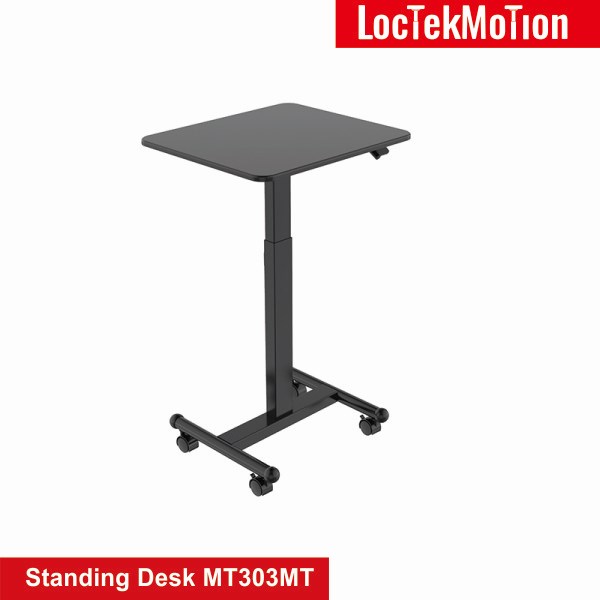
- Adjustability: Height-adjustable desks require tighter manufacturing tolerances and heavier steel inserts, increasing costs by 15 to 25 percent over fixed-height models.
- Molding Costs: If you are developing custom shapes or sizes, OEM/ODM Services for injected PP desktops will require significant upfront tooling investments (often thousands of dollars per mold).
- Packaging: Knock-down (KD) packaging maximizes container utilization but requires end-user assembly. Fully assembled desks reduce labor but drastically increase shipping volume.
Need accurate pricing and landed cost calculations for your next container order?
Get a free consultationCompliance and Pre-Shipment Inspection
School furniture is heavily regulated. In the US, BIFMA standards dictate load-bearing and stability requirements. In Europe, EN 1729 parts 1 and 2 govern functional dimensions and safety requirements.
Never rely solely on a factory's past certificates. Implement stringent Quality Control & Inspection protocols before the container is sealed.
Pre-Shipment Inspection Focus Areas
- Verify steel tube wall thickness with digital calipers.
- Perform cross-hatch adhesion testing on powder-coated surfaces.
- Check all PU injected edges for gaps or overflow.
- Conduct drop tests on packaged units to ensure KD hardware remains secure.
- Verify stability and wobble tolerance on assembled samples.
Frequently Asked Questions
Successful school desk sourcing requires looking past the polished showroom samples and focusing on the raw materials and factory-floor processes. A well-structured specification sheet is your first line of defense against quality fade.
Get Sourcing Help for School Desks
Tell us your requirements and our experts will connect you with verified manufacturers.