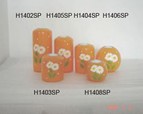
Scented Candles
Source high-quality scented candles directly from vetted manufacturers and suppliers. Designed for importers, wholesalers, and home decor brands seeking reliable OEM and private-label production, our network delivers consistent fragrance loads, compliant wax blends, and scalable bulk manufacturing.
Sourcing scented candles at scale requires balancing aesthetic appeal with strict performance metrics like burn time, scent throw, and fire safety. While the barrier to entry for candle making seems low, industrial-scale production introduces complex variables. A slight deviation in the wax blend, pouring temperature, or wick sizing can result in tunneling, poor hot throw, or failed safety compliance, turning a profitable container load into a total loss.
Defining Core Specifications
To achieve consistent performance across thousands of units, buyers must specify exact parameters for the three core components: wax, fragrance, and wick. Relying on a factory's "standard blend" without detailed specifications often leads to batch-to-batch inconsistency.
Wax Blends and Performance
The choice of wax dictates the candle's melting point, burn profile, and ability to hold fragrance oil. Most commercial production utilizes blends to balance cost and performance.
| Wax Type | Scent Throw | Burn Profile | Typical Application |
|---|---|---|---|
| Paraffin | Excellent (Hot & Cold) | Fast burn, potential for soot | Mass-market retail, high-margin luxury blends |
| Soy Wax | Moderate to Good | Slow, clean burn | Eco-conscious brands, mid-tier retail |
| Coconut Blend | Very Good | Slow, even burn | Premium and luxury private label |
| Beeswax | Subtle (Natural scent) | Very slow, very clean | Specialty and high-end niche |
Fragrance Load and Flash Points
Fragrance load is typically expressed as a percentage of the total weight. While many buyers push for the maximum load (often 10 percent to 12 percent), exceeding the wax's saturation point causes the oil to seep out (sweating) or creates a fire hazard. Furthermore, the fragrance oil's flash point must be compatible with the pouring temperature. High-heat pours with low-flash-point oils will burn off the top notes before the candle ever sets.
Developing a custom fragrance profile? We can match you with manufacturers equipped for precise formulation and testing.
Talk to our teamManufacturing Tolerances and Quality Control
Quality is won or lost on the factory floor during the pouring and curing phases. Even with the right materials, poor process control leads to structural and aesthetic defects.
Critical Pre-Shipment QC Checks
- Wick Centering: Off-center wicks cause uneven heating, tunneling, and shattered glass vessels.
- Adhesion (Wet Spots): Wax pulling away from the glass due to improper vessel pre-heating or rapid cooling.
- Surface Finish: Checking for sinkholes, frosting (especially in soy), or cracking on the top layer.
- Burn Testing: Verifying melt pool diameter reaches the vessel edge within 2 to 4 hours.
- Drop Testing: Ensuring the packaging protects heavy, fragile glass or ceramic vessels during transit.
Executing rigorous Quality Control & Inspection before the goods leave the factory is non-negotiable. For brands entering regulated markets like the US or EU, Compliance & Testing is equally critical. Products must adhere to ASTM F2417 standards for fire safety, and fragrances must meet IFRA (International Fragrance Association) guidelines and local labeling requirements (such as CLP in Europe).
Pricing, MOQs, and Production Lead Times
The cost of a scented candle is heavily weighted toward the vessel and packaging, often more so than the wax and fragrance itself.
When engaging in OEM/ODM Services, standardizing the vessel size across multiple fragrance SKUs is the most effective way to hit factory minimums while offering a diverse product line. If you are starting from scratch with a unique container design, leverage Product Development support to ensure the vessel's shape allows for safe, even heat distribution.
Navigating factory minimums and complex compliance requirements? Let us streamline your supply chain.
Get a free consultationFrequently Asked Questions
Sourcing scented candles successfully requires treating the product as a chemical system rather than just a decorative object. By tightly controlling your material specifications and mandating strict burn and safety tests at the factory level, you protect your brand's reputation and your bottom line.
Get Sourcing Help for Scented Candles
Tell us your requirements and our experts will connect you with verified manufacturers.