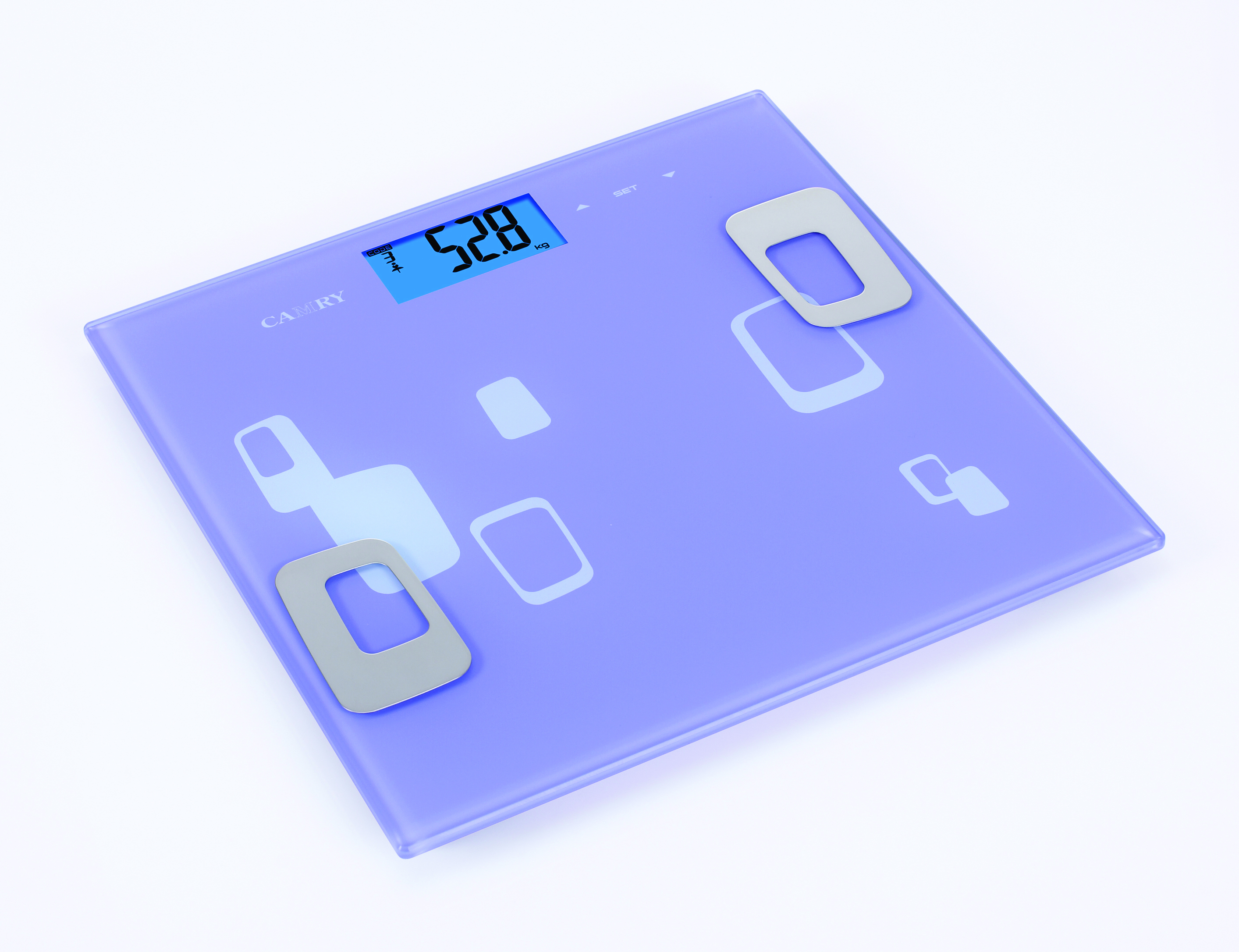
Scale
Source electronic and digital scales from vetted suppliers and manufacturers in China and across Asia. Designed for importers, wholesalers, distributors, and brands seeking reliable OEM and private-label production. Secure competitive wholesale pricing on high-precision weighing equipment built to international compliance standards.
Sourcing electronic scales in bulk requires navigating a highly fragmented manufacturing base. While the external housing might look identical across dozens of factories, the internal architecture—specifically the load cell quality, analog-to-digital (A/D) converter resolution, and PCB stability—dictates whether the unit delivers reliable precision or erratic readings. For volume buyers, the focus must be on component consistency, rigorous calibration protocols, and environmental controls on the assembly floor.
Core Components and Technical Specifications
The heart of any electronic scale is the strain gauge load cell. Factories competing solely on price often cut costs by using lower-grade aluminum or steel in the load cell, or by utilizing inferior adhesives to bond the strain gauge. This leads to "creep," a defect where the reading drifts over time under a constant load.
Equally important is the A/D converter, which translates the analog signal from the load cell into the digital readout. High-resolution applications require premium A/D chips to ensure the display does not flicker or struggle to settle on a final weight.
| Component Focus | Standard Commercial Grade | Premium / Precision Grade |
|---|---|---|
| Load Cell Material | Standard aluminum alloy | High-grade aircraft aluminum or stainless steel |
| Strain Gauge Adhesive | Standard commercial epoxy (higher risk of creep) | Precision-cured specialized adhesives |
| A/D Converter | Integrated low-cost SoC | Dedicated high-resolution A/D chip |
| Housing / Structure | Thin ABS plastic, minimal internal ribbing | Thick ABS or die-cast base, reinforced structural ribbing |
Struggling to verify the internal component quality of your current scale supplier? Let us audit their bill of materials and assembly process.
Talk to our teamQuality Control: Calibration and Testing Protocols
Assembly is only half the manufacturing process. A reliable scale manufacturer must have a strictly controlled environment for calibration. Temperature fluctuations during the calibration phase cause major accuracy issues when the product reaches the end user.
Before committing to a supplier, you must ensure their facility is equipped to perform comprehensive metrological testing. Implementing rigorous Quality Control & Inspection protocols before shipment is critical to catch calibration drift before containers are loaded.
Critical Factory Testing Protocols
- Corner Load Testing (Eccentricity): Verifying the scale reads accurately when weight is placed off-center.
- Linearity Testing: Ensuring accuracy is maintained consistently from zero to maximum capacity.
- Repeatability Testing: Confirming the scale displays the exact same reading when the same weight is applied multiple times.
- Environmental Cycling: Testing units in temperature and humidity chambers to verify the load cell and PCB resist environmental drift.
- Aging Tests: Running the electronics for extended periods to identify early-life failures in the A/D converter or display.
Compliance and Regulatory Standards
Electronic scales entering Western markets require standard electronic certifications, including CE, RoHS, and FCC. However, the regulatory landscape shifts dramatically if you are sourcing scales for commercial trade (where goods are sold by weight to consumers).
Trade-approved scales must meet stringent legal metrology standards, such as OIML (International Organization of Legal Metrology) globally, or NTEP in the United States. Navigating these requirements often requires dedicated Compliance & Testing to ensure the factory holds valid, verifiable certificates for the specific model, rather than just self-declared CE marks.
Typical Production Realities: MOQs and Lead Times
Production metrics vary significantly based on the level of customization. Off-the-shelf white-label units utilizing public molds offer a lower barrier to entry, while proprietary designs require substantial tooling investments. If you are developing a custom form factor or integrating smart connectivity (like Bluetooth or Wi-Fi for app integration), engaging structured OEM/ODM Services is highly recommended to manage the engineering and firmware development alongside the factory.
Planning a custom scale project or need better pricing on volume orders? We negotiate directly with top-tier metrology factories.
Get a free consultationFrequently Asked Questions
Successful sourcing in the weighing equipment category comes down to verifying the unseen components and validating the factory's calibration environment. By prioritizing suppliers who invest heavily in their testing infrastructure over those simply offering the lowest unit price, importers can drastically reduce return rates and protect their brand reputation.
Get Sourcing Help for Scale
Tell us your requirements and our experts will connect you with verified manufacturers.