Scaffoldings
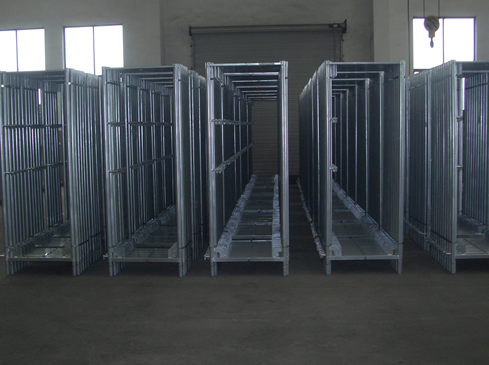
Source high-quality scaffoldings from vetted suppliers and manufacturers in China and across Asia. Designed for importers, wholesalers, distributors, and construction brands looking for reliable OEM and bulk production, our network delivers compliant, heavy-duty systems built to exact load specifications and regional safety standards.
Sourcing scaffolding in volume requires navigating a strict matrix of load ratings, material tolerances, and regional safety standards. A slight deviation in steel grade, wall thickness, or weld penetration does not just impact the lifespan of the equipment—it creates unacceptable on-site risk. For bulk buyers, success depends on locking down technical specifications early and maintaining rigid oversight over the factory's raw material sourcing and fabrication processes.
Critical Specifications and Material Selection
The structural integrity of any scaffolding system begins with the steel coil or tube specification. Most industrial scaffolding is manufactured using either Q235 or Q345 carbon steel. Q345 offers a higher yield strength (typically around 345 MPa), allowing for lighter-weight components without sacrificing load capacity, which directly impacts both worker fatigue and shipping weight.
Beyond the steel grade, surface treatment dictates the system's longevity and suitability for specific climates.
| Surface Treatment | Durability / Lifespan | Cost Profile | Ideal Application |
|---|---|---|---|
| Hot-Dip Galvanized (HDG) | 15 to 20+ years | High (adds significant weight/cost) | Harsh climates, high-rotation rental fleets |
| Pre-Galvanized | 5 to 10 years | Moderate | Dry climates, indoor applications |
| Powder Coated / Painted | 2 to 5 years (requires maintenance) | Low | Temporary projects, easy color-coding |
Specifying a minimum zinc coating thickness (often measured in microns, such as 60 to 80 microns for HDG) is critical. Factories cutting corners will often reduce immersion time in the zinc bath, leading to premature rusting from the inside out.
Need help verifying a scaffolding manufacturer's material certifications and production capabilities?
Talk to our teamManufacturing Tolerances and Quality Control
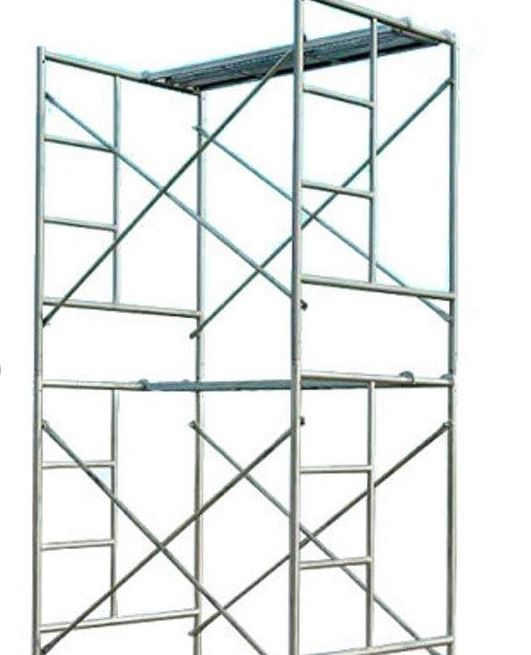
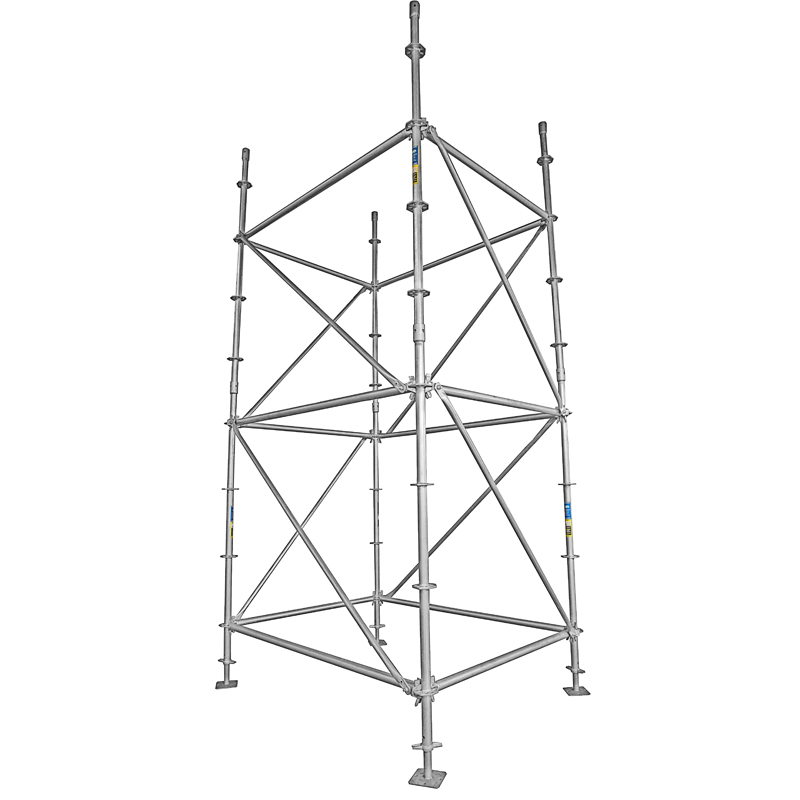
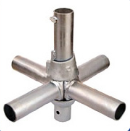
Scaffolding is a modular system; if a ledger does not fit perfectly into a standard's rosette or cup, the entire bay is compromised. Dimensional accuracy is heavily dependent on the factory's tooling, automated welding capabilities, and jig maintenance.
When evaluating a new supplier, robust Factory Audits are essential to verify that their automated welding robots are properly calibrated and that their manual welders hold valid certifications.
Key Factory-Floor Checks
Critical Production Inspection Points
- Weld Quality: Inspect for uniform penetration, absence of porosity, and minimal weld spatter, which can interfere with locking mechanisms.
- Tube Straightness: Ensure vertical standards do not exceed maximum deflection tolerances (typically under 3mm per meter).
- Zinc Pooling: Check threads, pins, and locking mechanisms for excess zinc buildup after hot-dip galvanizing.
- Wall Thickness: Verify actual tube thickness against specifications using ultrasonic gauges, ensuring no negative tolerance tricks.
Implementing strict Quality Control & Inspection protocols before shipment prevents defective, non-compliant batches from leaving the facility.
Compliance and Regional Standards
Scaffolding is heavily regulated, and your target market dictates the required testing and certification. Suppliers must be able to produce valid test reports from recognized third-party laboratories (like SGS or TUV) for standards such as:
- EN 12810 / EN 12811: European standards for facade scaffolds.
- OSHA / ANSI A10.8: Requirements for the US market.
- AS/NZS 1576: Stringent standards for Australia and New Zealand.
Be wary of factories that offer "universal" compliance. Load testing, drop testing, and deflection limits vary significantly by region. If you are developing a proprietary system or modifying existing designs, utilizing professional Compliance & Testing services ensures your products meet local regulatory demands before mass production begins.
Typical MOQs, Pricing, and Logistics
Because scaffolding is a low-margin, high-volume commodity, pricing is heavily indexed to global steel spot prices. Quotes are typically valid for short windows (often 7 to 14 days).
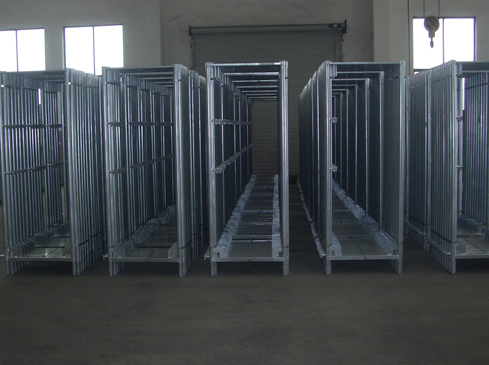
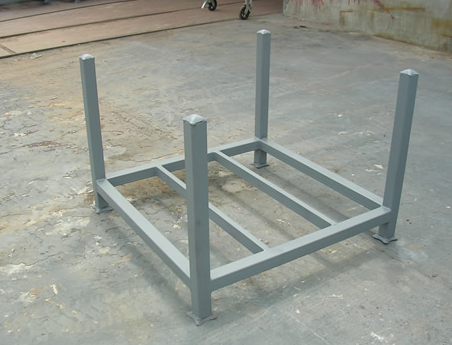
Logistics play an outsized role in your landed cost. Scaffolding is dense; a 20-foot container will usually hit its maximum weight limit long before it runs out of cubic volume. Proper bundling and packaging (using steel pallets or straps) are necessary to facilitate rapid unloading and prevent transit damage. Coordinating these details through experienced Shipping & Freight management can drastically reduce your per-piece landed cost.
Looking to optimize your scaffolding supply chain and reduce landed costs?
Get a free consultationBuyer FAQ
Procuring scaffolding at scale is an exercise in risk management and cost optimization. By enforcing rigorous material specs, demanding verifiable compliance, and optimizing freight loads, buyers can secure reliable equipment that performs safely on site and delivers long-term ROI.
Get Sourcing Help for Scaffoldings
Tell us your requirements and our experts will connect you with verified manufacturers.