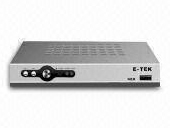
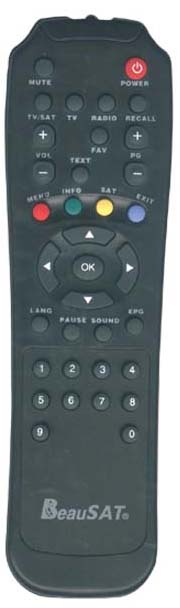
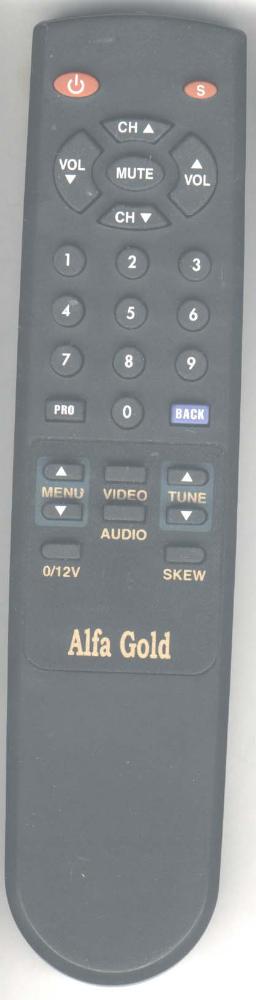
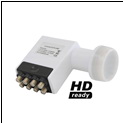
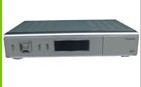
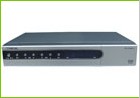
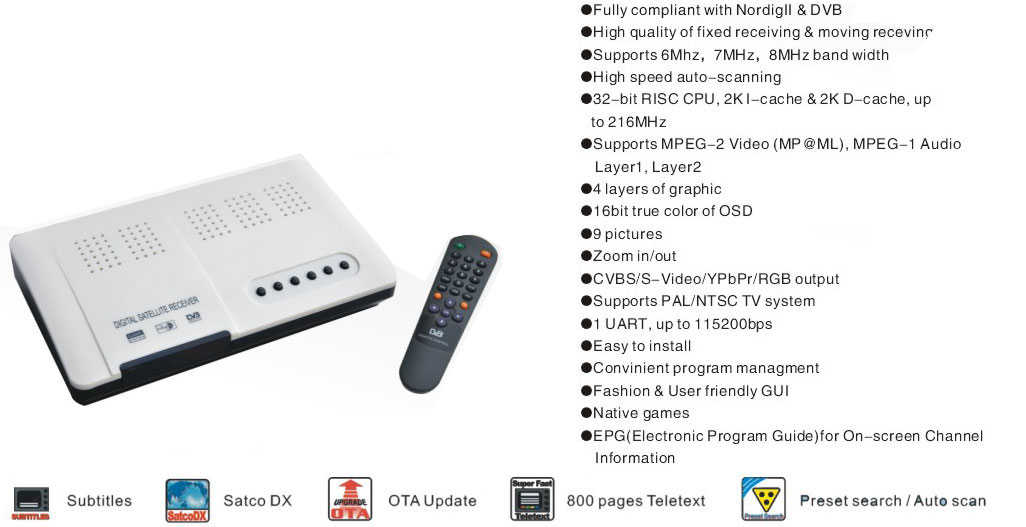
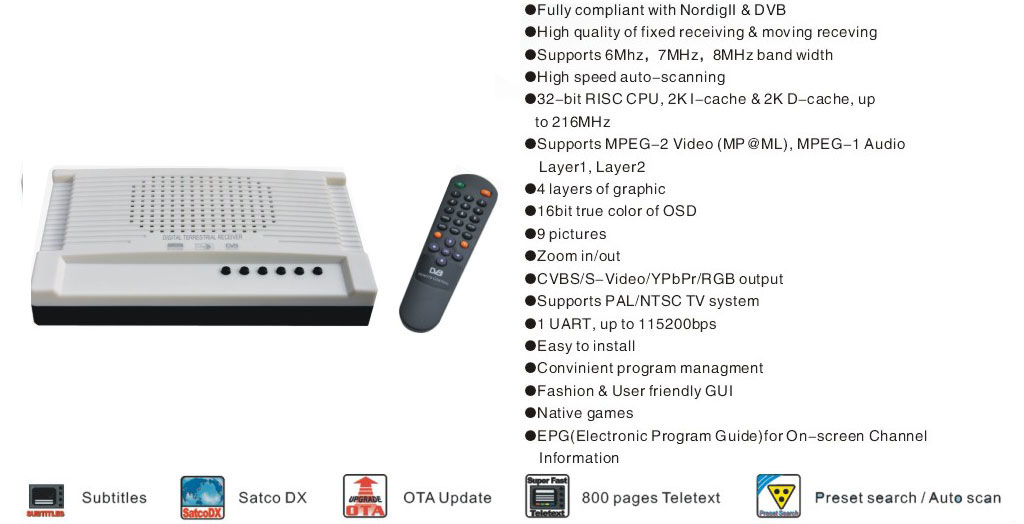
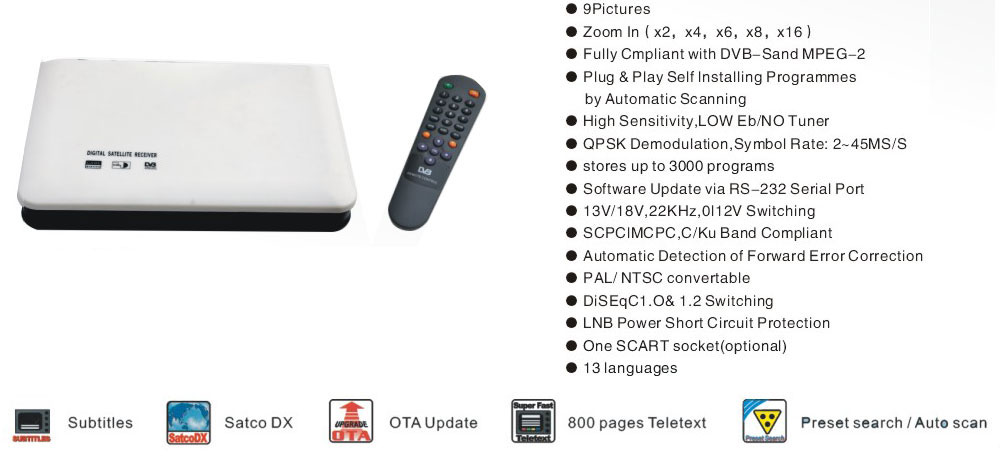
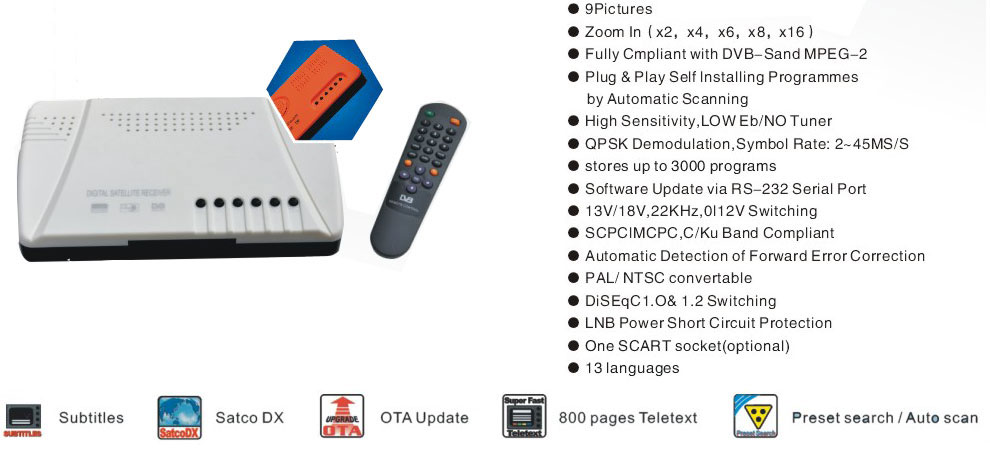
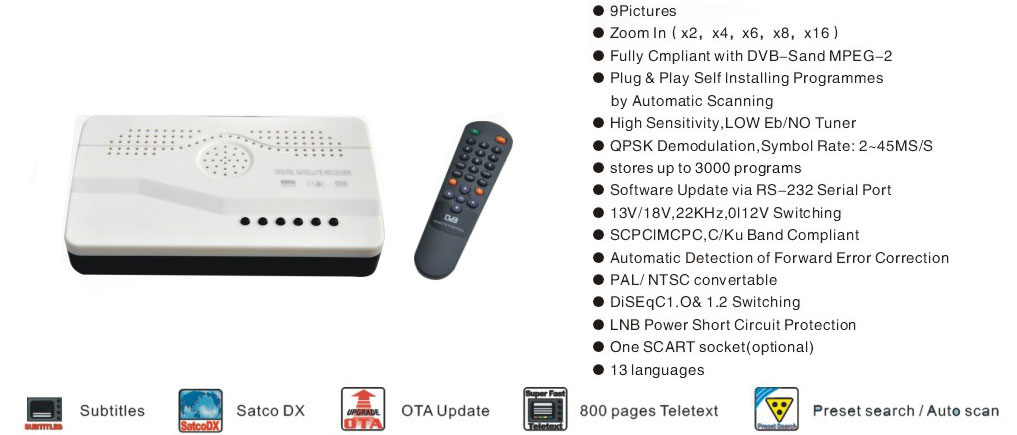
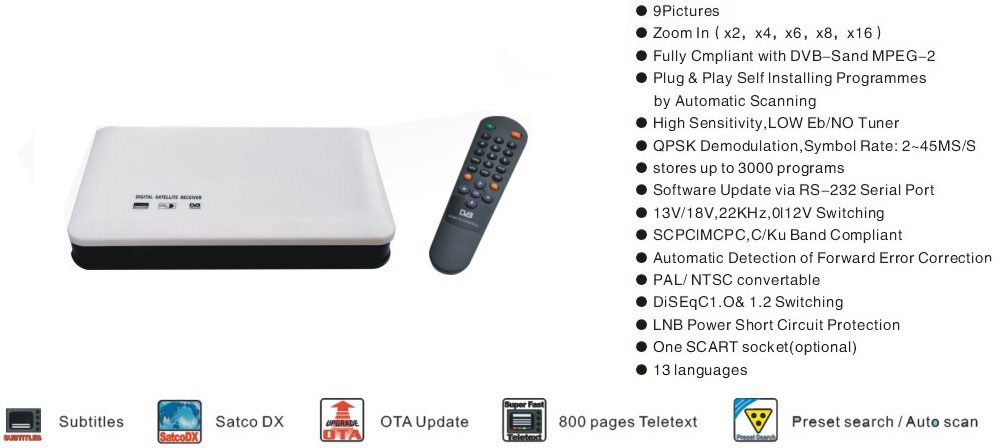
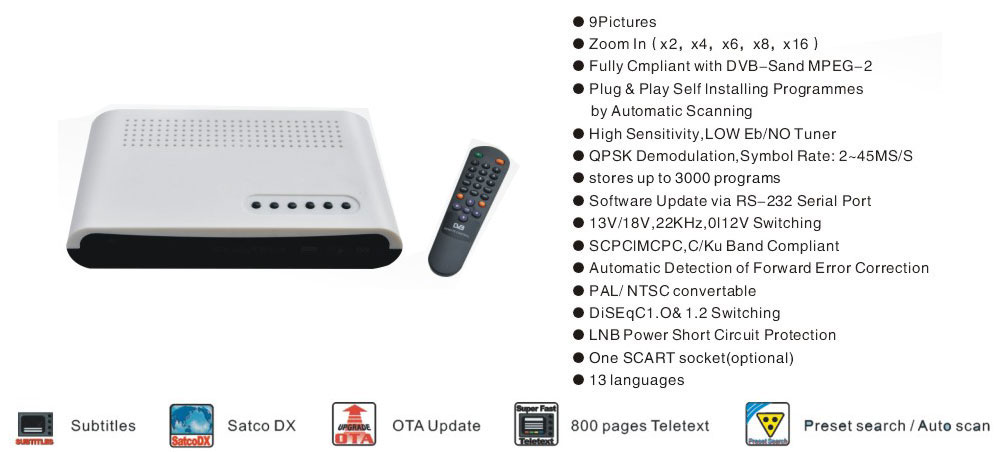
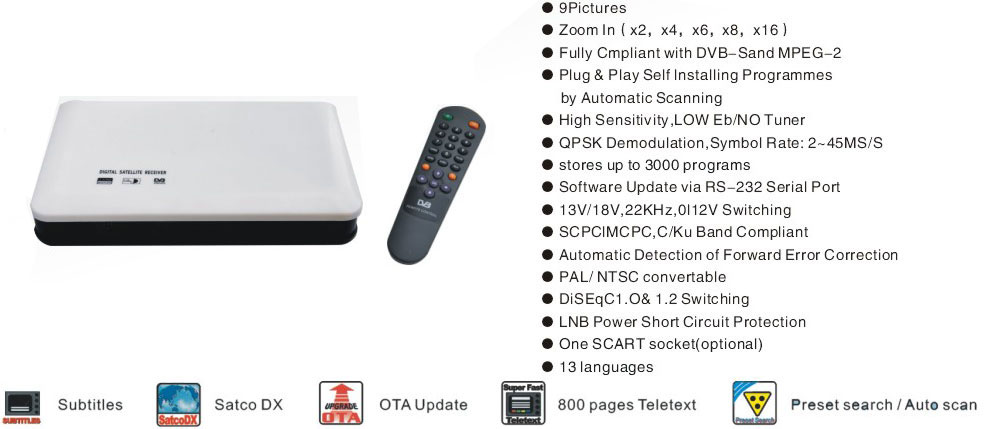
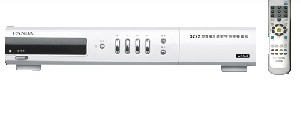
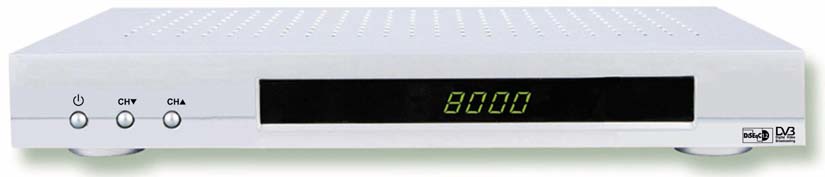
Satellite TV Receivers
Source wholesale Satellite TV Receivers directly from vetted manufacturers and suppliers. Designed for importers, distributors, and brands seeking reliable OEM/ODM production, our verified factory network delivers competitive pricing, stringent quality control, and scalable volume for global markets.
Sourcing satellite TV receivers in volume requires navigating a fragmented manufacturing base primarily located in Guangdong province, China (specifically Shenzhen and Dongguan). As a buyer, your challenge isn't just finding a factory that can assemble a set-top box; it's securing a partner capable of integrating the right tuner chipsets, ensuring robust firmware stability, and meeting regional broadcasting standards and compliance certifications.
Critical Specifications for Satellite Receivers
When negotiating with a manufacturer, the bill of materials (BOM) drives the cost and performance of the unit. You must specify the core components clearly to avoid silent downgrades during production.
Key Component Specifications
- Main Processor (SoC): Specify the exact chipset (e.g., Ali, Sunplus, Montage, or Amlogic for Android hybrids). The processor dictates decoding capabilities (H.264 vs H.265/HEVC) and UI responsiveness.
- Tuner Module: Define the required modulation standards (DVB-S, DVB-S2, or DVB-S2X). Ensure the tuner sensitivity meets the requirements for your target region's signal strength.
- Memory (RAM & Flash): Specify capacity and type (e.g., DDR3/DDR4 for RAM, SPI or eMMC for Flash). Insufficient memory leads to firmware crashes and sluggish channel navigation.
- Power Supply Unit (PSU): Require high-quality capacitors and specify the voltage input range (e.g., 100-240V). The PSU is the most common point of failure in budget receivers.
- Connectivity & I/O: Detail the required ports (HDMI version, AV out, USB 2.0/3.0, Ethernet, LNB In) and Wi-Fi capabilities (internal module vs external dongle support).
If you are developing a custom receiver or require private-label modifications, defining these specifications upfront is crucial. Many buyers leverage OEM/ODM Services to customize the casing, UI, and hardware features to match their market's specific demands.
Need help verifying a factory's technical capabilities? Our sourcing experts can audit suppliers to ensure they can meet your exact hardware specifications.
Talk to our teamManufacturing Quality Control
The assembly of satellite receivers involves PCB population (SMT), manual soldering of larger components, firmware flashing, and final casing assembly. Quality is won or lost on the SMT line and during the testing phases.
Common Defects and Inspection Points
| Defect Area | Root Cause | Inspection Method |
|---|---|---|
| Tuner Failure | Poor soldering on the tuner module or sub-standard components. | Signal lock testing across multiple transponder frequencies. |
| Firmware Instability | Incompatible flash memory or poorly optimized code. | Extended burn-in testing (24-48 hours) under continuous operation. |
| Overheating | Inadequate heat sinks on the SoC or poor casing ventilation. | Thermal imaging during load testing. |
| PSU Whine/Failure | Cheap capacitors or poor transformer winding. | Voltage output stability testing and visual inspection of capacitors. |
To mitigate these risks, implementing rigorous Quality Control & Inspection protocols is essential. Pre-shipment inspections should include functional testing (channel scanning, decryption if applicable, and AV output quality) on a statistically significant sample size (e.g., AQL Level II).
Compliance and Certifications
Satellite receivers must comply with regional electrical safety and electromagnetic interference (EMI) standards. Do not assume a factory's existing certifications cover your specific product configuration.
Certification Verification
Always request test reports corresponding to the exact BOM you are purchasing. A CE or FCC certificate for a similar model does not guarantee compliance for your customized unit.
Key certifications include CE (LVD and EMC directives) for Europe, FCC for North America, and RoHS for hazardous substances. If your target market requires specific conditional access (CA) systems or DRM (like Widevine for hybrid boxes), ensure the factory has the necessary licensing agreements in place. Utilizing Compliance & Testing services can prevent costly customs seizures or market recalls.
Pricing, MOQs, and Lead Times
The cost of a satellite receiver is highly sensitive to the chosen SoC, memory capacity, and the inclusion of advanced features like 4K resolution or hybrid Android capabilities.
Pricing for basic standard-definition (SD) or entry-level high-definition (HD) DVB-S2 receivers can range from a few dollars to the low teens. Advanced 4K/HEVC models or Android hybrid boxes will command significantly higher prices. Remember that fluctuating component costs (especially memory and chipsets) can impact validity periods for quotes.
Struggling to negotiate favorable terms or verify supplier pricing? Let us manage the sourcing and negotiation process for you.
Get a free consultationFrequently Asked Questions
Sourcing satellite TV receivers profitably requires technical diligence and stringent oversight on the factory floor. By clearly defining your BOM, enforcing strict quality control, and ensuring compliance, you can secure reliable hardware that performs consistently in your target market.
Get Sourcing Help for Satellite TV Receivers
Tell us your requirements and our experts will connect you with verified manufacturers.