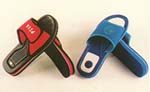
Sandals
Source men's sandals in bulk from vetted manufacturers and wholesale suppliers across Asia. Designed for footwear importers, distributors, and brands seeking reliable OEM and private-label production. Secure competitive pricing, strict quality control, and scalable manufacturing for your next seasonal footwear collection.
Sourcing men's sandals at scale requires balancing ergonomic comfort with structural durability under high-stress, warm-weather conditions. Whether you are developing a rugged outdoor hiking sandal or a casual leather slide, the core sourcing challenge remains consistent: ensuring material integrity and preventing sole delamination during the product's lifespan. Partnering with the right footwear manufacturer dictates not just unit cost, but the longevity of your brand's reputation.
Core Material Specifications
The selection of upper materials, footbeds, and outsoles drives both the unit price and the functional performance of the sandal. Buyers must specify exact material grades rather than relying on generic factory defaults.
| Component | Material Options | Performance Characteristics |
|---|---|---|
| Outsole | TPR, Rubber, EVA, PU | Rubber offers superior abrasion and slip resistance; EVA is lightweight but wears faster. PU provides a middle ground for casual styles. |
| Midsole / Footbed | Molded EVA, Cork, PU Foam | Density is critical. Specify EVA hardness (e.g., 40-45 Asker C) to ensure it does not compress flat after minimal wear. |
| Upper Straps | Full-Grain Leather, PU Leather, Nylon Webbing | Nylon requires high tensile strength for outdoor use. PU must be tested for flex cracking and colorfastness. |
When working with synthetic leathers or dyed webbing, chemical compliance is non-negotiable. Ensure your supplier understands destination-market regulations regarding restricted substances, such as Azo dyes and phthalates. Implementing proper Compliance & Testing early in the development phase prevents costly customs rejections.
Manufacturing and Assembly Vulnerabilities
The majority of men's sandals are assembled using cold cementing processes. The critical point of failure in footwear manufacturing is the bond between the upper, midsole, and outsole.
Critical Production Checkpoints
- Roughening (Buffing): Ensure the factory properly buffs the mating surfaces of the upper and sole to create mechanical grip for the adhesive.
- Primer and Cement Application: Verify that the correct primer is used for the specific material (e.g., EVA requires a different primer than TPR).
- Heat Activation: Adhesives must be activated at precise temperatures (typically 60 to 80 degrees Celsius) before pressing.
- Pressing Pressure: Inadequate pressure during the sole-attaching phase leads to micro-gaps and eventual delamination.
Struggling with high defect rates or inconsistent sole bonding? Let our team match you with thoroughly vetted footwear manufacturers who maintain strict process controls.
Talk to our footwear expertsTo mitigate assembly risks, robust Quality Control & Inspection is required on the factory floor. In-line inspections should verify adhesive application and pressing parameters before the sandals move to the finishing line.
Quality Assurance and Performance Testing
Visual inspections are insufficient for footwear. Physical testing must be integrated into your quality assurance protocol. Standard tests for men's sandals include:
- Bonding Peel Strength: Measures the force required to separate the sole from the upper. A standard acceptable minimum is 2.5 to 3.0 kg/cm.
- Outsole Flexing: Simulates walking to check for crack initiation. Typically tested to 30,000 or 50,000 continuous flexes at room temperature.
- Abrasion Resistance: Determines how quickly the outsole material wears down under friction (measured via DIN volume loss).
- Colorfastness: Tests whether dyes from the straps or footbed will bleed onto the wearer's skin when exposed to water or sweat.
Conducting thorough Factory Audits prior to placing an order allows you to verify if a supplier has in-house testing equipment (like flex testers and tensile machines) or if they rely entirely on third-party labs.
Pricing, MOQs, and Lead Times
Footwear economics are heavily dictated by production volume and tooling costs. Modifying an existing factory design is highly cost-effective, while developing a completely custom sole requires new steel or aluminum molds.
If you are developing a proprietary design, utilizing structured OEM/ODM Services ensures your intellectual property is protected and that mold ownership terms are clearly defined in the manufacturing agreement.
Ready to scale your footwear production? We negotiate competitive pricing, manage mold development, and enforce strict quality standards on your behalf.
Get a sourcing consultationSuccessfully importing men's sandals requires moving beyond superficial aesthetic checks and focusing heavily on material chemistry and assembly precision. By controlling the technical specifications and enforcing rigorous physical testing, buyers can eliminate the most common points of failure before the goods ever leave the factory floor.
Get Sourcing Help for Sandals
Tell us your requirements and our experts will connect you with verified manufacturers.