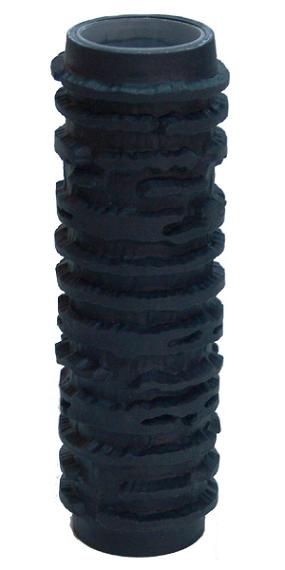
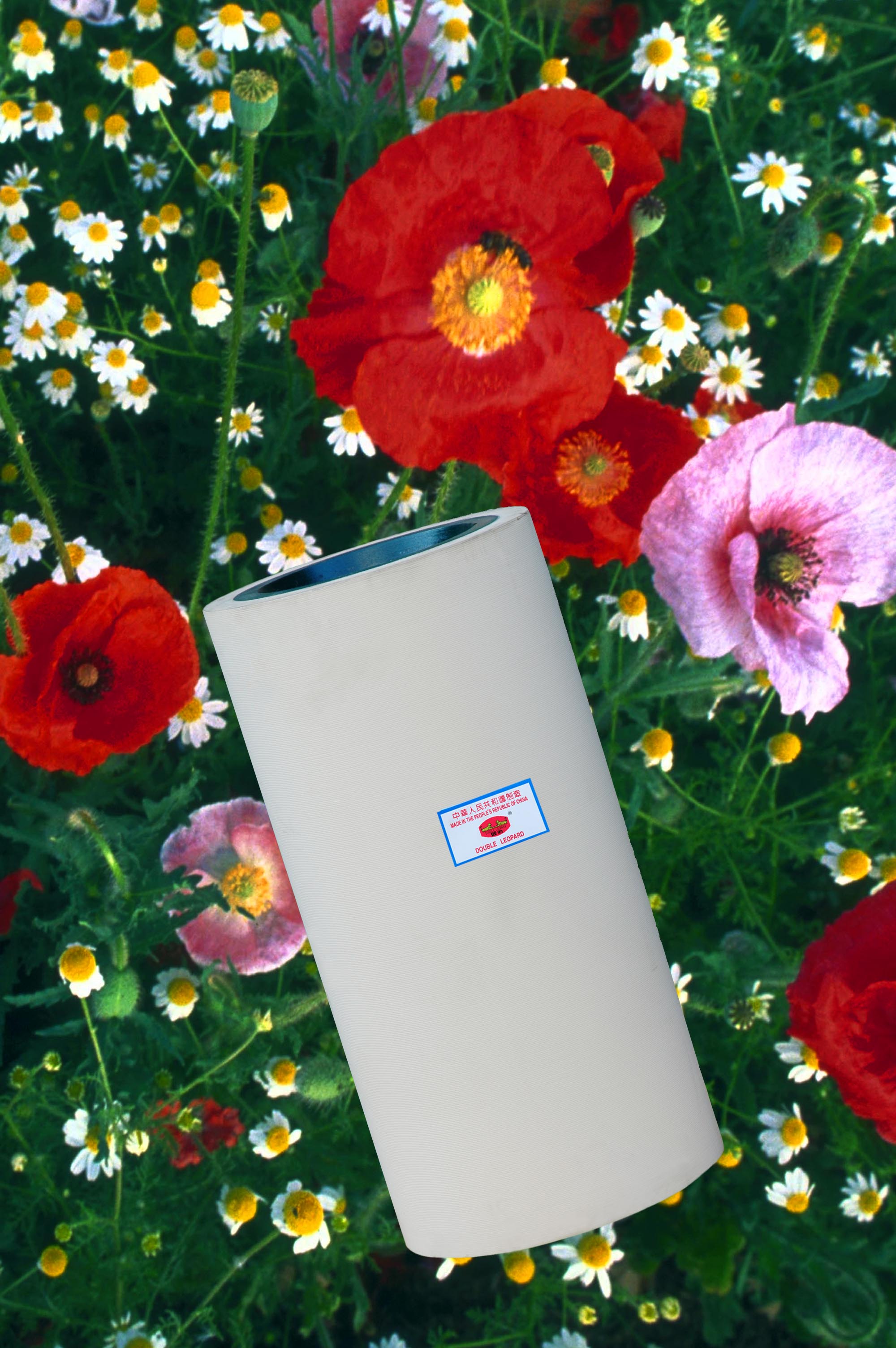
Rubber Rollers
Source industrial-grade rubber rollers from vetted manufacturers and suppliers in China and across Asia. This catalog is built for importers, wholesalers, and equipment brands seeking reliable OEM production and bulk manufacturing. Partner with us to secure competitive pricing and strict quality control for your high-volume orders.
Sourcing industrial rubber rollers in bulk requires precise alignment between the rubber compound, the metal core, and the intended mechanical application. A failure in bonding, concentricity, or material selection leads to rapid wear, machine downtime, and rejected shipments. Navigating the manufacturer landscape means looking past surface-level pricing to verify a factory's mixing, vulcanization, and precision grinding capabilities.
Material & Specification Imperatives
Specifying a rubber roller is far more complex than providing dimensions and a color. The performance of the roller dictates the compound, the core material (typically steel, aluminum, or carbon fiber), and the required surface finish.
When negotiating with suppliers, you must define the exact compound formulation, as many lower-tier factories will blend in recycled rubber or high volumes of cheap fillers (like calcium carbonate) to reduce costs, which severely impacts dynamic performance and lifespan.
| Compound | Primary Application | Key Limitation |
|---|---|---|
| NBR (Nitrile) | Printing, oil & solvent environments | Poor ozone and UV resistance |
| EPDM | Laminating, UV/ozone exposure, high heat | Not suitable for petroleum-based oils |
| Silicone | High-temperature processing, food grade | Lower tensile strength and abrasion resistance |
| Polyurethane (PU) | High load-bearing, extreme abrasion | Susceptible to hydrolysis in high moisture |
Beyond the compound, buyers must specify the exact hardness required. Hardness is typically measured on the Shore A scale, though Shore D is used for extremely hard rollers. A standard tolerance is plus or minus 5 points, but precision applications may require tighter controls.
Manufacturing Bottlenecks & Quality Control
The true test of a rubber roller manufacturer lies in their production process. Delamination—where the rubber separates from the metal core—is the most catastrophic failure mode and is entirely preventable with proper manufacturing controls.
Core Preparation
The metal core must be degreased, sandblasted, and treated with a bonding agent. Any contamination here guarantees delamination later.
Rubber Application
Rubber is applied via extrusion, calendering, or strip building. Extrusion generally yields the most uniform density.
Vulcanization
The roller is cured in an autoclave under specific heat and pressure profiles to cross-link the polymer chains.
Precision Grinding
The cured roller is ground to its final diameter, TIR, and surface finish. Crowning (parabolic or stepped) is applied here if required.
Because defects are often hidden beneath the surface, implementing robust Quality Control & Inspection protocols is non-negotiable. Pre-shipment inspections must go beyond visual checks and include dimensional verification, durometer testing across multiple points, and runout measurements.
Ensure your rubber rollers meet strict TIR and hardness tolerances before leaving the factory.
Talk to our teamCritical Inspection Points
Roller Quality Checklist
- Total Indicator Runout (TIR) measured at the center and both ends.
- Shore A hardness consistency checked at a minimum of 5 points along the face.
- Adhesion testing on sample pieces from the same production batch.
- Surface finish (Ra) verification for smooth, grooved, or crowned profiles.
- Dimensional accuracy of bearing journals and keyways on the core.
Sourcing Realities: MOQs, Lead Times, and Pricing
When importing rubber rollers, unit cost is heavily dependent on the complexity of the metal core, the volume of rubber used, and the tooling required for specific profiles.
If you are leveraging OEM/ODM Services to produce custom rollers for proprietary machinery, expect tooling costs for custom extrusion dies or specialized molds.
- MOQs: For standard cylindrical rollers, MOQs typically range from 100 to 500 units depending on the size. Massive industrial rollers (e.g., for steel mills or paper processing) may have MOQs as low as 5 to 10 units due to their high unit cost and size.
- Lead Times: Initial orders requiring custom cores and new compound formulations usually take 45 to 60 days. Repeat production runs typically average 30 to 40 days.
- Pricing Drivers: The cost of the metal core often makes up 40 to 60 percent of the total unit price. Fluctuations in global steel and aluminum prices will directly impact your quotes.
Before committing to a high-volume order, it is highly recommended to conduct Factory Audits to verify whether the supplier mixes their compounds in-house or relies on third-party compounders, which can introduce batch-to-batch inconsistency.
Looking to scale your custom roller production with a reliable manufacturing partner?
Get a free consultationFrequently Asked Questions
Securing a reliable supply chain for rubber rollers means finding a manufacturing partner who treats chemistry and precision machining with equal importance. By defining strict tolerances and enforcing rigorous pre-shipment testing, buyers can eliminate the risks of premature failure and maintain consistent operational efficiency.
Get Sourcing Help for Rubber Rollers
Tell us your requirements and our experts will connect you with verified manufacturers.