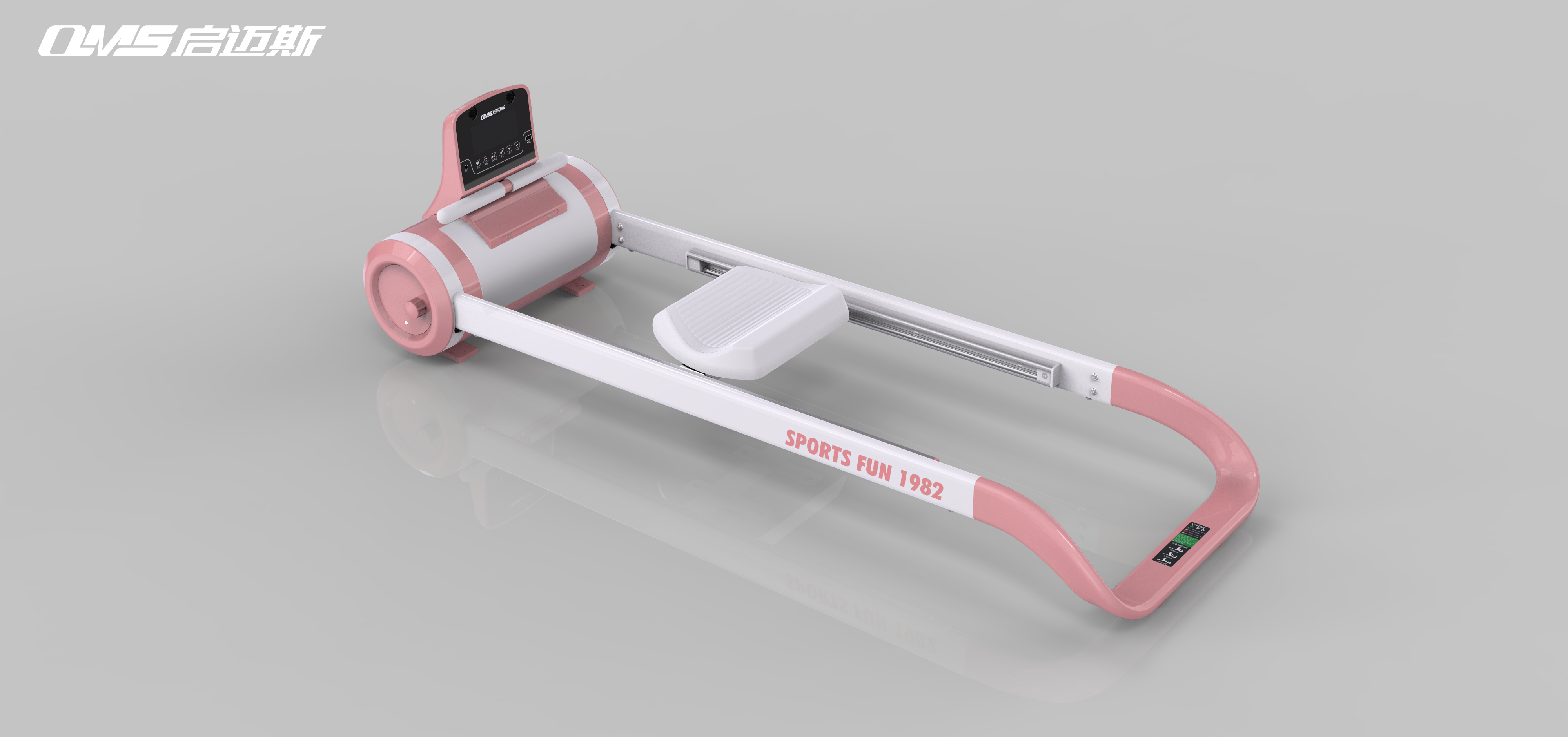
Rowers
Source premium rowers in bulk directly from vetted manufacturers. Designed for importers, fitness brands, and wholesalers seeking reliable OEM/ODM production, our network delivers commercial and home-use rowing machines built to exact specifications and international standards.
Sourcing rowing machines in volume requires balancing mechanical durability with precise resistance mechanisms. Whether you are ordering entry-level magnetic rowers or commercial-grade air and water resistance models, the primary challenge lies in ensuring consistent build quality across the production run. A minor misalignment in the rail or a sub-par bearing in the flywheel assembly can compromise the user experience and drive up return rates.
Key Specifications and Resistance Types
The core of any rower is its resistance system and structural integrity. When communicating with factories, you must specify the exact mechanics required for your target market.
- Air Resistance: Relies on a fan flywheel. Specify the fan blade material (usually ABS or reinforced nylon) and the housing design.
- Water Resistance: Uses a water tank and paddles. The critical specification is the tank material (polycarbonate is standard for durability) and the seal quality to prevent leaks.
- Magnetic Resistance: Uses magnets moving closer or further from a metal flywheel. Specify the flywheel weight (typically 4kg to 12kg) and the type of magnetic braking system (manual vs. motorized).
- Dual Resistance (Air + Magnetic): Combines both for smoother action. Requires precise calibration of the eddy current brake system.
Need help verifying a manufacturer's technical capabilities before placing a bulk order?
Talk to our teamStructural Components and Materials
The frame and rail determine the machine's longevity and weight capacity.
| Component | Home Use Standard | Commercial Grade |
|---|---|---|
| Frame | Tubular Steel (1.5mm wall) | Extruded Aluminum or Heavy-Gauge Steel (2.0mm+ wall) |
| Rail | Single Aluminum Extrusion | Dual Aluminum or Stainless Steel Capped |
| Drive Mechanism | Nylon Strap | Nickel-Plated Steel Chain |
| Console | Basic LCD (Battery) | LED/TFT with ANT+/Bluetooth (Self-Generating or Plug-in) |
Manufacturing Quality and Inspection Points
Quality is won or lost on the factory floor during the assembly and calibration phases. A thorough Quality Control & Inspection protocol is essential to catch defects before shipment.
Critical Pre-Shipment Inspection Points for Rowers
- Rail alignment and seat roller smoothness (check for catching or friction).
- Drive belt or chain tension and recoil consistency.
- Water tank seal integrity (for water rowers) under pressure testing.
- Resistance calibration (ensure level 1 and level max have distinct, measurable differences).
- Console connectivity and accurate sensor readouts (strokes per minute, distance).
- Weld integrity on the main frame joints.
If you are developing a new model or heavily modifying an existing one, utilizing professional OEM/ODM Services ensures that your design requirements are accurately translated into production-ready tooling.
Production Economics: MOQ, Lead Times, and Pricing
Understanding the typical terms for rower manufacturing helps in planning your supply chain and cash flow. Most fitness equipment manufacturing is concentrated in Zhejiang, Jiangsu, and Fujian provinces in China.
Pricing is heavily influenced by the resistance type, materials (aluminum vs. steel), and the complexity of the digital console. Because these are bulky items, optimizing packaging for container utilization is crucial. A standard 40HQ container can typically hold between 150 to 300 units, depending on whether the models are folding or fixed-frame.
Looking to optimize your container loading and reduce landed costs?
Get a free consultationBuyer FAQ
Successfully sourcing rowers requires strict attention to mechanical tolerances and material selection. By implementing rigorous quality control and verifying supplier capabilities through comprehensive Factory Audits, you can secure reliable production that meets your market's demands.
Get Sourcing Help for Rowers
Tell us your requirements and our experts will connect you with verified manufacturers.