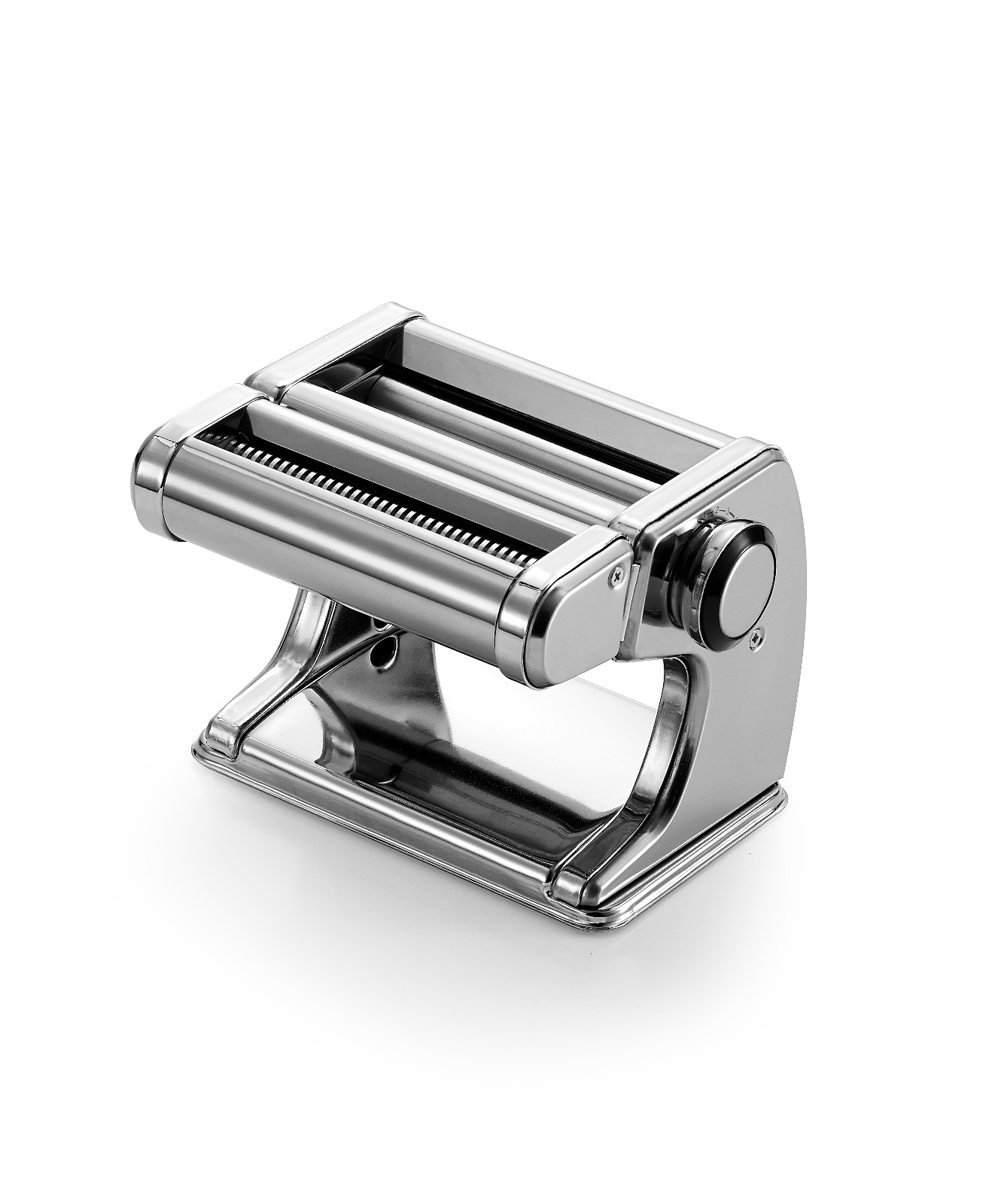
Rolling Pins & Pastry Boards
Source premium rolling pins and pastry boards directly from vetted manufacturers and wholesale suppliers. Designed for importers, distributors, and kitchenware brands looking for reliable OEM and private-label production, our supply network delivers consistent quality, competitive bulk pricing, and reliable lead times.
Sourcing rolling pins and pastry boards at scale requires strict attention to material stability. Whether you are importing classic wooden French pins, heavy marble rollers, or large silicone-coated pastry boards, the core manufacturing challenge remains the same: ensuring food safety compliance while preventing material degradation—like cracking or warping—during international transit and consumer use.
Material Selection and Manufacturing Specifications
The choice of material dictates not only the factory you partner with but also the specific production controls required. Wood remains the dominant category, but high-end marble and modern silicone composite boards are growing in volume.
| Material | Primary Advantage | Manufacturing Challenge |
|---|---|---|
| Beechwood / Maple | Dense, durable, and naturally antibacterial | Strict moisture content (MC) control required during kiln drying |
| Acacia Wood | High visual appeal with distinct grain patterns | Prone to splitting if not properly sealed and acclimatized |
| Marble | Naturally cool surface, ideal for pastry dough | High defect rate during polishing; heavy freight costs |
| Silicone / Fiberglass | Non-stick, flexible, and easy to store | Must pass strict FDA/LFGB extraction testing for food safety |
For wooden products, the most critical specification you must define in your purchase order is the moisture content. Wood must be kiln-dried to a moisture content between 8% and 12% for most export markets. If the moisture content is too high, boards will warp and pins will crack as they dry out in climate-controlled warehouses. If it is too low, they may absorb ambient humidity and swell.
Struggling to find wood suppliers with reliable kiln-drying facilities? We can match you with vetted manufacturers.
Talk to our teamQuality Control on the Factory Floor
In kitchenware manufacturing, surface finish and structural integrity are where quality is won or lost. When conducting Quality Control & Inspection, inspectors should look beyond simple visual defects and test the functional mechanics of the product.
Critical Inspection Points for Bakeware Wood Products
- Moisture Content Testing: Verify MC is within the 8-12% range using calibrated moisture meters across multiple points on the board or pin.
- Bearing Mechanics: For American-style rolling pins, ensure internal bearings (nylon or stainless steel) roll smoothly without catching or squeaking.
- Surface Smoothness: Check for raised grain, splinters, or rough patches, particularly on the handles and the main rolling cylinder.
- Glue Line Integrity: For edge-grain or end-grain pastry boards, verify that food-safe adhesives are fully cured with no visible gaps or excess glue squeeze-out.
- Finish Adhesion: Ensure food-grade mineral oil, beeswax, or PU lacquer is evenly applied without pooling or sticky residue.
To ensure your supplier can consistently meet these standards, conducting thorough Factory Audits before production begins is essential. This verifies their raw material sourcing, drying capabilities, and assembly line quality checks.
Customization and OEM Production
For brands looking to differentiate, rolling pins and pastry boards offer excellent canvases for customization. Through OEM/ODM Services, you can specify custom dimensions, such as extra-long French pins for professional bakers or boards with integrated measurement guides.
Branding is typically applied via laser engraving on wooden handles or board corners. For silicone pastry mats, silk-screen printing with food-safe silicone ink is used to add measurement grids and brand logos. Ensure your supplier has experience with food-safe inks that will not degrade under repeated washing or exposure to baking fats.
Typical MOQs, Pricing, and Lead Times
Bakeware accessories generally require moderate order volumes to achieve competitive pricing, largely due to the setup times for wood turning and board glue-ups.
Raw Material Fluctuations
Timber prices and availability can fluctuate based on environmental regulations and seasons. Always lock in pricing based on a specific validity period (usually 30 to 60 days) when negotiating with your factory.
Need accurate pricing and lead times for your specific custom design? Let us negotiate with top-tier manufacturers on your behalf.
Get a free consultationFrequently Asked Questions
Successfully sourcing rolling pins and pastry boards means managing a delicate balance of natural material behavior, precision manufacturing, and strict food safety compliance. By defining exact specifications upfront and validating factory capabilities, you can build a reliable supply chain that delivers lasting quality to your end consumers.
Get Sourcing Help for Rolling Pins & Pastry Boards
Tell us your requirements and our experts will connect you with verified manufacturers.