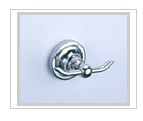
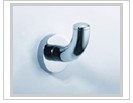
Robe Hooks
Source premium robe hooks directly from vetted manufacturers and factories. Designed for importers, wholesalers, distributors, and hardware brands seeking reliable OEM or private-label production. Compare bulk pricing, material specifications, and supplier capabilities to secure high-quality bathroom accessories at scale.
Sourcing bathroom hardware at volume is an exercise in managing material integrity and finish durability. While the geometry of a robe hook is relatively simple, the supply chain is fraught with invisible cost-cutting measures. Substituting 304 stainless steel with 201, reducing electroplating times to save cents per unit, or using lower-grade zinc alloys can lead to catastrophic finish failures once the product reaches humid bathroom environments.
Base Material Selection and Machining
The core material of a robe hook dictates not only its weight and perceived quality but also the manufacturing method and the longevity of its surface finish.
- Brass (HPb59-1 or CuZn40Pb2): The premium standard. Brass offers superior adhesion for electroplating, resulting in a flawless, mirror-like finish. It is typically forged or CNC-machined, making it ideal for heavy, luxury hardware.
- Zinc Alloy (Zamak 3 or Zamak 5): The most common choice for mid-market hardware. Zinc is die-cast, allowing for complex geometric shapes at a lower unit cost. However, it requires meticulous polishing and copper-plating base layers before final finishing to prevent blistering.
- Stainless Steel (SUS304): Highly corrosion-resistant and exceptionally strong. SUS304 is usually stamped, cast, or machined. It is difficult to electroplate, so it is most often offered in brushed, polished, or PVD finishes.
| Material | Primary Process | Finish Compatibility | Relative Cost |
|---|---|---|---|
| Brass | Forging / CNC | Excellent (Plating & PVD) | High |
| Zinc Alloy | Die-Casting | Good (Requires thick copper base) | Low to Medium |
| 304 Stainless | Machining / Stamping | Best for Brushed / PVD | Medium |
Need help verifying factory material grades and production capabilities? Avoid costly material substitutions before mass production begins.
Talk to our teamSurface Finishes and Durability Standards
The most common failure point for robe hooks is the surface finish. Bathroom environments expose hardware to constant moisture, temperature fluctuations, and cleaning chemicals. When developing your product line, especially through OEM/ODM Services, specifying the correct finishing process and testing standard is non-negotiable.
Electroplating vs. PVD vs. Powder Coating
- Electroplating (Chrome, Brushed Nickel): Relies on multiple layers. A typical high-quality stack on a zinc alloy hook includes copper, semi-bright nickel, bright nickel, and finally chromium.
- PVD (Physical Vapor Deposition): Used for trending finishes like Brushed Gold, Gunmetal, or Rose Gold. PVD is applied over an electroplated base layer in a vacuum chamber. It is significantly harder and more scratch-resistant than standard electroplating.
- Powder Coating (Matte Black, Matte White): Requires strict pre-treatment (sandblasting or chemical etching) to ensure adhesion. Poorly applied powder coating will chip at the edges or mounting points during installation.
Defining Quality Control Metrics
To ensure consistency across batches, your purchase orders must define specific testing parameters. Relying on standard Quality Control & Inspection protocols prevents defective batches from leaving the factory floor.
Critical QC Checks for Robe Hooks
- Salt Spray Testing: Specify 24-hour Acid Salt Spray (ASS) or 96-hour Neutral Salt Spray (NSS) for standard durability.
- Cross-Cut Adhesion Test: Ensures powder coating or paint does not flake when scored.
- Load Bearing Capacity: Verification that the concealed mounting bracket and set screw can hold heavy wet towels without bending.
- Thread Tolerance: Checking the set-screw threading with go/no-go gauges to prevent stripping during installation.
- Material Verification: Spectrometer testing to confirm SUS304 or HPb59-1 brass, rather than cheaper alternatives.
Production Realities: MOQs, Pricing, and Lead Times
Manufacturers in key hardware hubs—such as Kaiping and Wenzhou—operate with specific economies of scale. Understanding these thresholds helps in negotiating favorable terms and scheduling inventory replenishment.
Pricing is highly volatile and tied directly to the London Metal Exchange (LME) for copper and zinc. When evaluating quotes, a price that sits 20 percent below the market average is a strong indicator of compromised base materials or skipped plating layers. Conducting thorough Factory Audits is the most effective way to verify that a supplier actually possesses the in-house polishing and plating lines required to maintain consistent quality, rather than outsourcing to unverified sub-contractors.
Optimize your unit costs and secure reliable production timelines with a tailored sourcing strategy.
Get a free consultationFrequently Asked Questions
Successful procurement of bathroom hardware requires looking past the polished sample. The true cost of a robe hook is measured by its failure rate in the field. By specifying precise material grades, demanding strict salt-spray testing, and auditing the factory's finishing processes, you protect your brand's reputation and your bottom line.
Get Sourcing Help for Robe Hooks
Tell us your requirements and our experts will connect you with verified manufacturers.