Road Marking Machines
Source commercial-grade Road Marking Machines from vetted manufacturers and wholesale suppliers. Designed for construction equipment importers, distributors, and brands seeking reliable OEM production, our network delivers high-performance striping equipment built for precision and durability.
Sourcing road marking machines requires navigating a fragmented supplier base where outward appearances often mask critical differences in component quality. For bulk importers and equipment wholesalers, the priority is securing machines that deliver consistent line thickness, resist abrasive marking materials, and withstand continuous operation on harsh construction sites. Success depends on validating the core mechanical components—engines, pumps, and heating systems—before the equipment ever leaves the factory floor.
Core Technologies and Specifications
The primary divide in road marking equipment is the material application method. Buyers must match the machine's core technology to their target market's infrastructure standards.
| System Type | Heating Requirement | Application Method | Typical Application |
|---|---|---|---|
| Thermoplastic | LPG Heating Cylinder | Extrusion / Screed Box | High-traffic highways, intersections |
| Cold Paint (Airless) | None (Ambient) | High-pressure pump & spray gun | Parking lots, airports, urban striping |
| Two-Component | None (Chemical reaction) | Specialized mixing guns | High-durability crosswalks, cold climates |
For cold paint systems, the pump is the critical failure point. Abrasive traffic paints quickly wear down inferior seals. Specify tungsten carbide valves and PTFE (Teflon) packings to ensure longevity.
Need help verifying component specifications and supplier capabilities before placing a bulk equipment order?
Talk to our teamManufacturing Quality and Component Verification
China is a major hub for road machinery manufacturing, but quality control varies wildly. A machine with a poorly welded chassis will vibrate excessively, resulting in wavy lines and rejected contracting work. When evaluating a supplier, focus on these critical areas.
Critical Factory-Level Quality Checks
- Engine Authenticity: Verify the supply chain for branded engines (e.g., Honda, Vanguard) to avoid unauthorized clones that fail emission standards.
- Chassis Stability: Inspect the thickness of the tubular steel frame and the quality of the welds. Heavier frames reduce engine vibration transfer to the spray gun.
- Pump Durability: Confirm the source of the hydraulic motors and the material specifications of the fluid section packings.
- Heating Safety (Thermoplastic): Ensure LPG tanks and heating kettles have certified pressure relief valves and robust thermal insulation.
Because visual inspection via photos is insufficient for verifying internal pump components or engine authenticity, conducting thorough Factory Audits is essential. This ensures the manufacturer has the actual engineering capacity and quality management systems to produce commercial-grade equipment, rather than just assembling cheap off-the-shelf parts.
OEM/ODM Customization for Equipment Brands
If you are building an equipment brand, differentiating your product line is vital. Many manufacturers offer robust OEM/ODM Services, allowing you to modify standard chassis designs to meet specific market demands.
Common customizations for bulk orders include:
- Dual-Gun Configurations: Modifying walk-behind units to support two guns for wide lines or double-line applications.
- Glass Bead Dispenser Upgrades: Upgrading from gravity-fed to pressurized bead systems for better embedment in the paint.
- Laser Guide Integration: Adding factory-installed laser guides to replace traditional mechanical pointers.
- Custom Tooling and Branding: Powder-coating in your brand colors and applying custom safety decals and operational placards.
Typical Pricing, MOQs, and Lead Times
Procurement terms vary significantly based on the size and complexity of the machine.
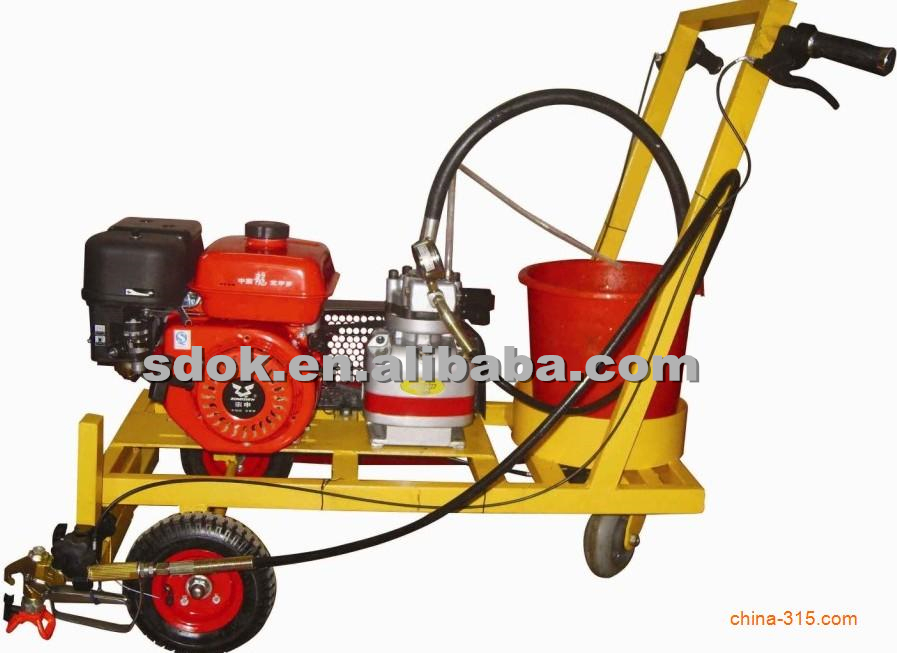
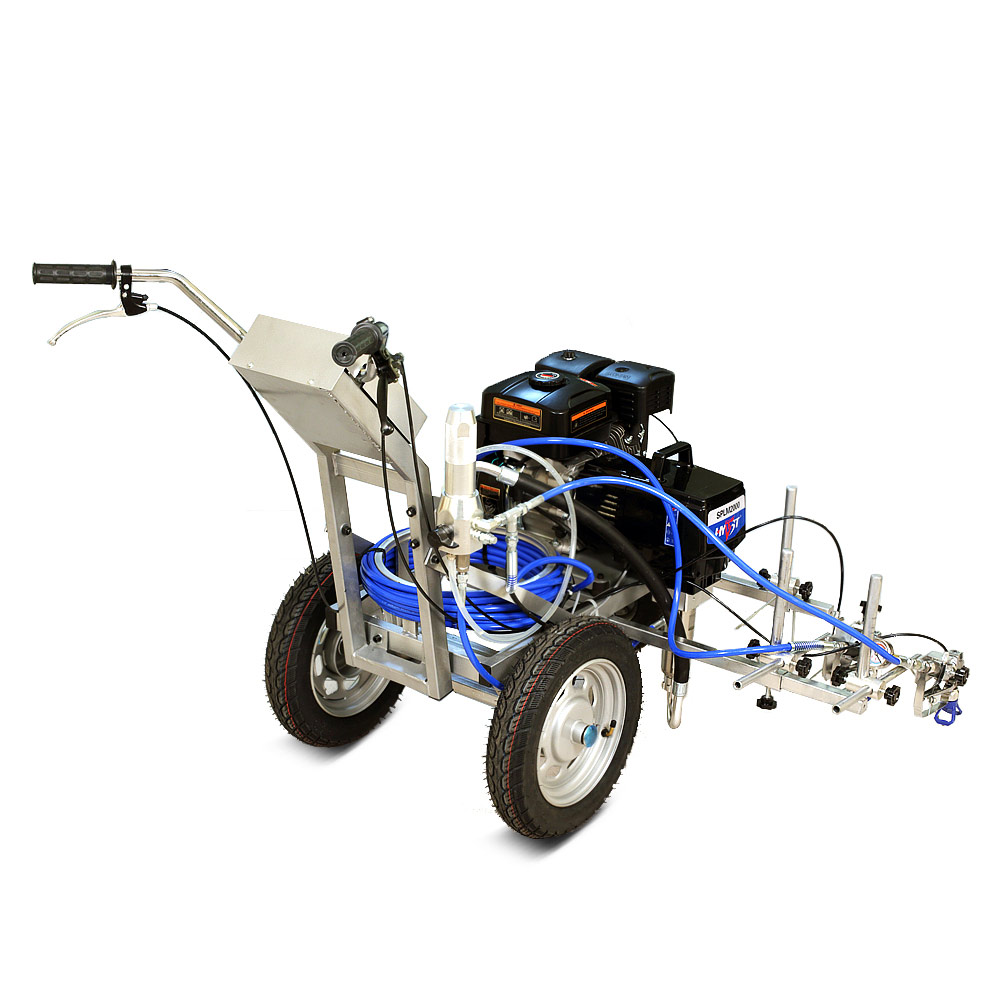
Pricing is heavily dictated by the engine brand and pump capacity (liters per minute). A standard walk-behind airless striper with a genuine imported engine will cost substantially more than a visually identical unit with a domestic clone engine. Always ensure quotes specify the exact make and model of the engine and hydraulic components.
Streamline your equipment sourcing, negotiate better terms, and consolidate your shipments.
Get a free consultationCompliance and Pre-Shipment Inspection
Importing construction machinery requires strict adherence to regional regulations. Engines must comply with EPA (North America) or Euro V (Europe) emission standards. Furthermore, pressurized components (like air accumulators or LPG heating tanks) may require CE certification or ASME compliance.
Do not rely solely on factory-provided certificates. Implement rigorous Quality Control & Inspection protocols before the container is loaded.
Component Verification
Cross-check engine serial numbers and pump specifications against the approved bill of materials.
Functional Testing
Run the engine, test the pump pressure with water or a testing fluid, and verify the spray pattern and gun shut-off responsiveness.
Packaging Inspection
Ensure machines are securely crated in ISPM-15 compliant wood to prevent transit damage and shifting inside the container.
Frequently Asked Questions
Procuring road marking machines at scale is an exercise in risk management. The upfront cost savings of a cheaper unit are quickly erased if the pump fails on a major highway project or if customs seizes the shipment due to non-compliant engines. By enforcing strict component specifications and conducting rigorous on-site inspections, importers can secure highly profitable, reliable equipment lines.
Get Sourcing Help for Road Marking Machines
Tell us your requirements and our experts will connect you with verified manufacturers.