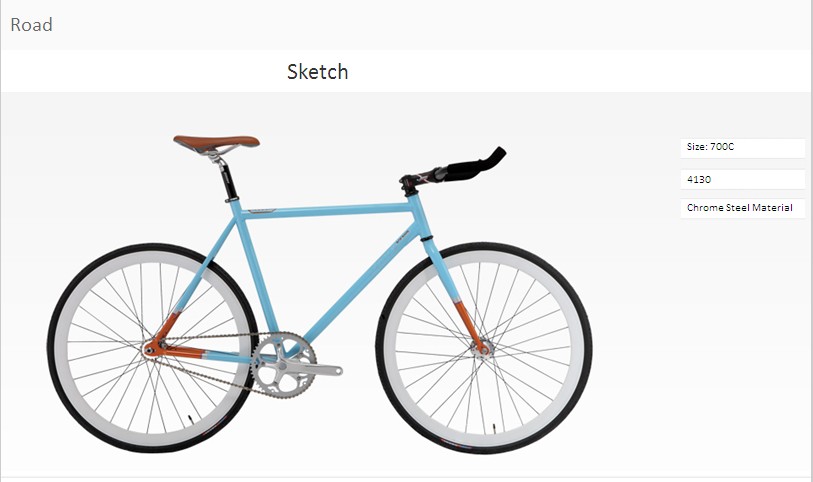
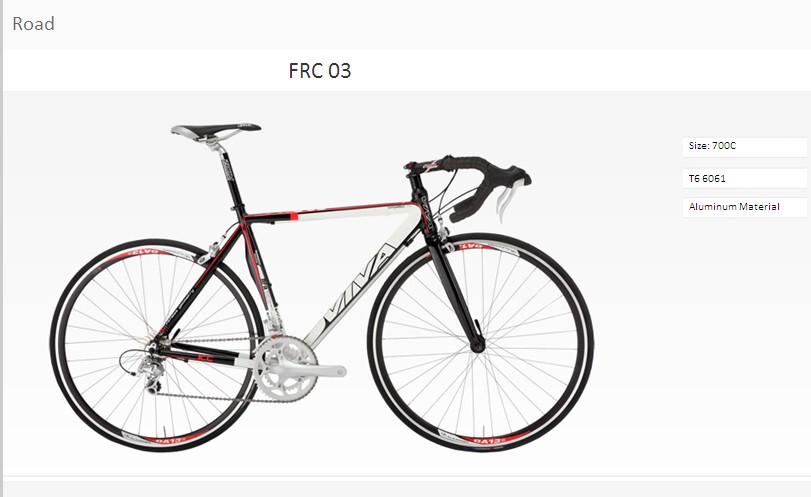
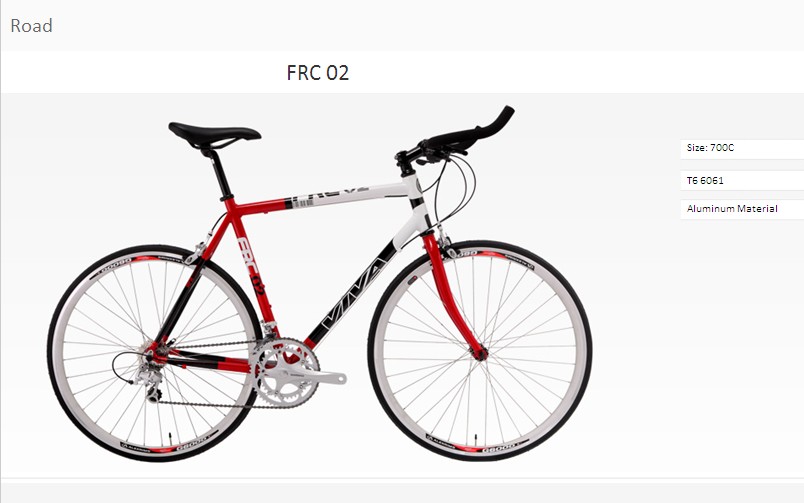
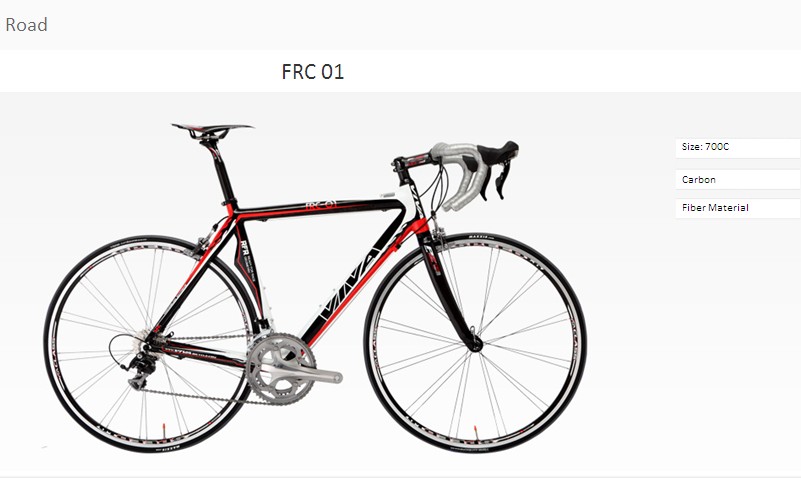
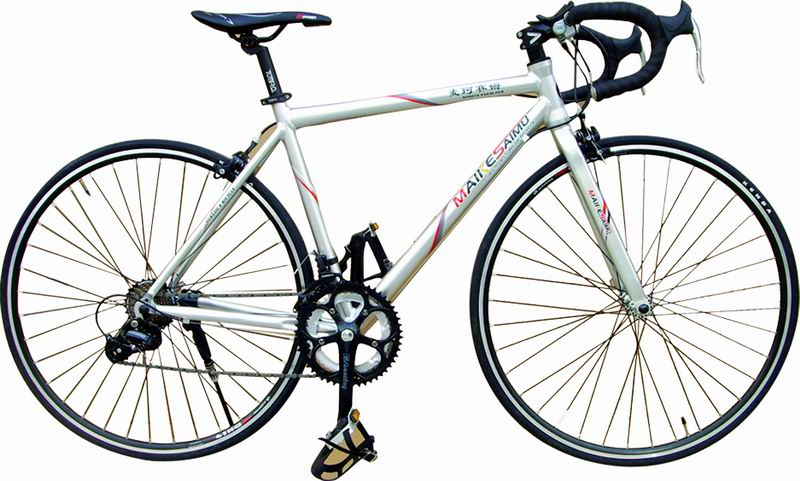
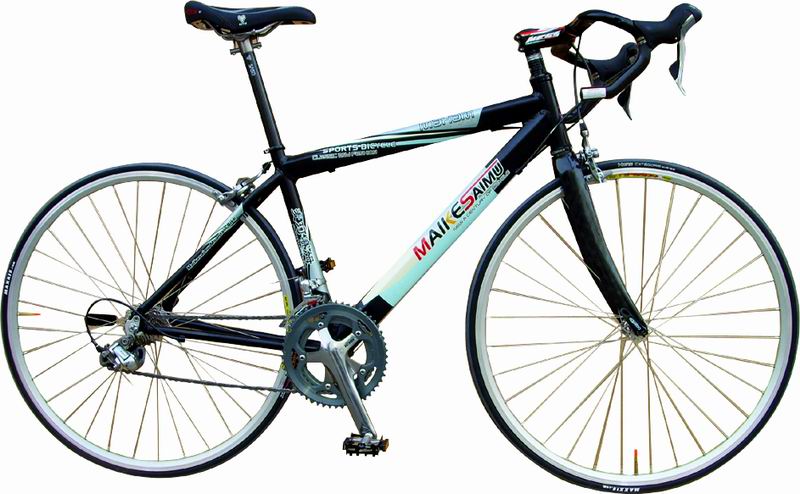
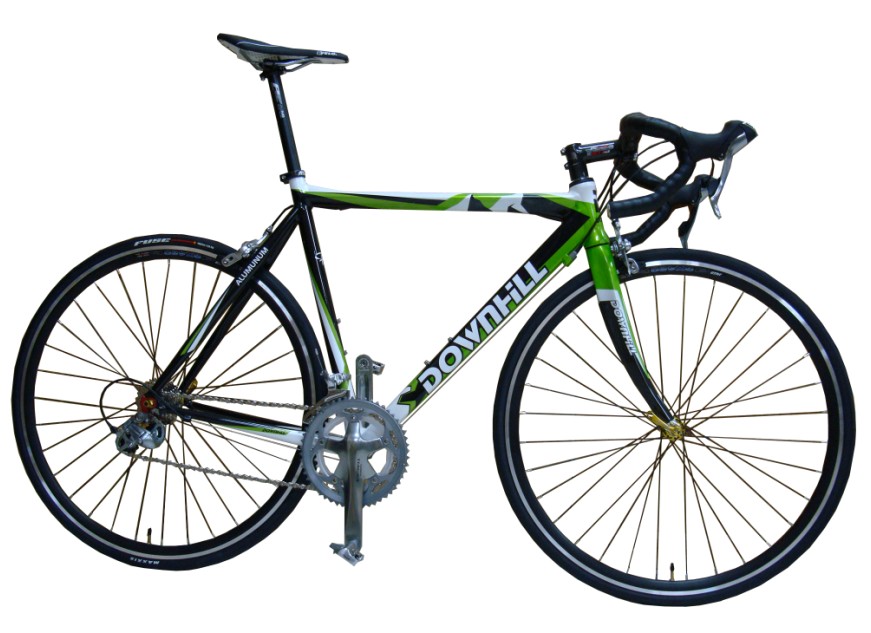
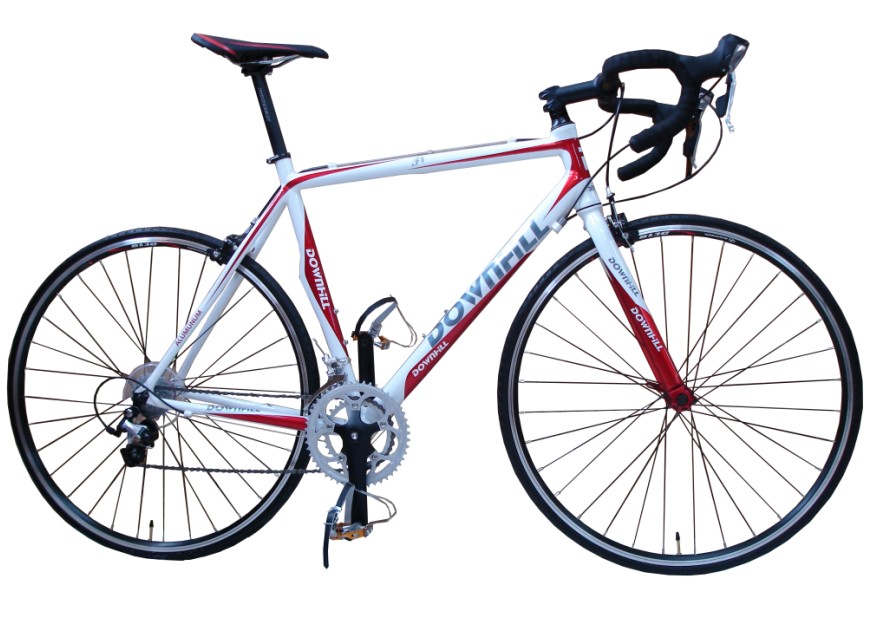
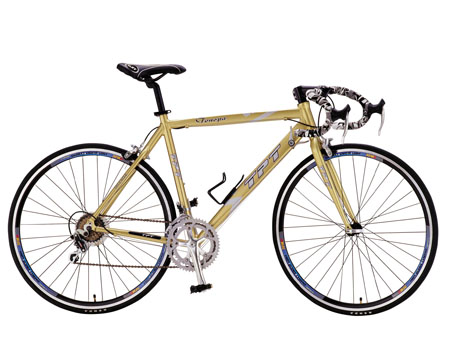
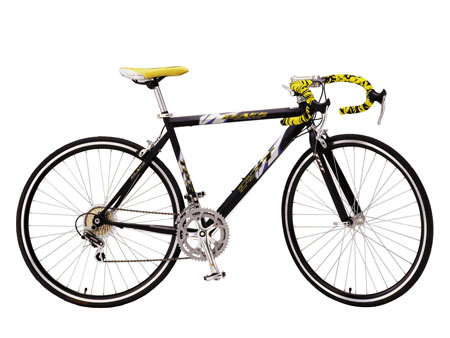
Road Bikes
Source high-performance road bikes directly from vetted manufacturers and wholesale suppliers across Asia. Built for importers, distributors, and cycling brands seeking reliable OEM production, our network delivers precision-engineered bicycles ready for global markets.
Sourcing road bikes in volume requires navigating a highly fragmented supply chain. Unlike simpler consumer goods, a complete road bicycle is a synchronized assembly of specialized components—frames, forks, drivetrains, and wheelsets—often sourced from different Tier 2 and Tier 3 vendors before arriving at the final assembly factory. The primary sourcing challenge is managing this multi-vendor coordination while maintaining strict tolerances for frame geometry, weight, stiffness, and structural safety.
Frame Materials and Technical Specifications
The foundation of any road bike is the frame and fork. Buyers must clearly specify the manufacturing techniques and material grades, as these dictate both the performance characteristics and the wholesale cost.
| Specification | High-End Aluminum | Carbon Fiber (Open Mold) |
|---|---|---|
| Material Grade | 6061 or 7005 alloy | Toray T700 / T800 blend |
| Forming Technique | Hydroforming, triple-butted | EPS (Expanded Polystyrene) molding |
| Weight Tolerance | ± 50g per frame | ± 30g per frame |
| Tooling Cost | Low to Moderate | High (for proprietary molds) |
When working with factories on OEM/ODM Services for custom geometry, pay close attention to the bottom bracket standard (e.g., BSA threaded vs. PressFit BB86/BB386) and head tube taper. Misalignment in these areas during manufacturing will lead to creaking, premature bearing wear, and poor handling.
Need help verifying frame molds and geometry tolerances?
Talk to our teamManufacturing and Assembly Tolerances
The quality of a road bike is won or lost on the assembly line. Even with premium components, poor assembly practices will result in a substandard final product.
Frame Alignment Verification
Before painting, the frame must be checked on an alignment table. Dropouts must be perfectly parallel to ensure the rear wheel tracks straight and shifting is crisp.
Surface Preparation and Painting
For carbon frames, the raw finish must be meticulously sanded. Paint adds weight; strict QC ensures an even coat without exceeding weight tolerances or masking structural voids.
Drivetrain Integration
Installing the bottom bracket and routing internal cables requires precision. Poor internal routing can lead to cable friction, degrading shifting performance.
Wheel Truing and Tensioning
Machine-built wheels must be hand-finished and stress-relieved to ensure spoke tension is uniform, preventing the wheel from going out of true during the first ride.
Quality Control and Safety Compliance
Road bikes operate at high speeds and are subjected to significant dynamic loads. Compliance with international safety standards, specifically ISO 4210 (Safety requirements for bicycles), is non-negotiable for entering Western markets.
Relying solely on a factory's internal testing is a risk. Implementing independent Quality Control & Inspection is critical to verify that production batches match the approved golden sample.
Critical QC Checks for Road Bikes
- ISO 4210 Fatigue Testing: Impact, falling mass, and pedaling force tests on sample frames.
- Torque Verification: Ensuring stem, handlebar, and seatpost bolts meet exact Nm specifications.
- Clearance Checks: Verifying tire clearance against chainstays and fork crowns (especially for modern 28c-32c tires).
- Brake Bed-in and Alignment: Ensuring disc brake rotors are perfectly true and calipers are aligned to prevent rubbing.
Sourcing Mechanics: MOQs, Lead Times, and Pricing
The bicycle industry operates on notoriously long lead times, driven less by frame manufacturing and more by component availability. Global groupset manufacturers (like Shimano and SRAM) dictate the pace of final assembly.
Pricing Drivers
Wholesale pricing is highly sensitive to the chosen groupset (e.g., Shimano 105 vs. Ultegra) and the wheelset. When negotiating, ensure the Bill of Materials (BOM) specifies the exact series and model year of every component. Factories may sometimes substitute a lower-tier chain, cassette, or bottom bracket to improve their margins if the BOM is not explicitly detailed. Conducting thorough Factory Audits before placing an order helps confirm that the supplier has legitimate, direct purchasing channels with major component brands.
Optimize your Bill of Materials and secure realistic production timelines.
Get a free consultationFrequently Asked Questions
Successfully sourcing road bikes in bulk requires more than just finding a factory that can weld alloy or mold carbon. It demands rigorous BOM management, strict adherence to assembly tolerances, and proactive supply chain forecasting to ensure all components converge on the assembly line exactly when needed.
Get Sourcing Help for Road Bikes
Tell us your requirements and our experts will connect you with verified manufacturers.