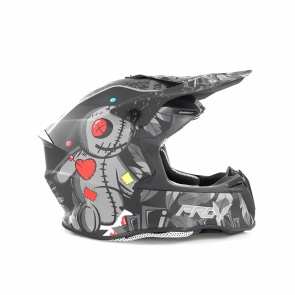
Riding Helmets
Source premium riding helmets from vetted suppliers and manufacturers across Asia. Designed for importers, distributors, and equestrian brands, our wholesale and OEM/ODM production options ensure you receive high-quality, certified safety gear in bulk. Partner with us to scale your inventory reliably.
Sourcing equestrian riding helmets at volume requires strict adherence to international safety standards. Because these are critical safety devices, a minor deviation in EPS density, shell molding, or harness stitching can result in failed compliance testing and unsellable inventory. Navigating the manufacturer landscape means identifying factories with the right tooling, testing equipment, and raw material supply chains.
Core Specifications: Shells and Impact Liners
The structural integrity of a riding helmet relies on the synergy between the outer shell and the inner crushable liner. When evaluating a manufacturer's technical capability, you must specify the exact materials and construction methods required for your target market.
Outer Shell Materials
Factories typically offer three primary shell materials, each dictating the product's price point, weight, and tooling requirements.
| Material | Tooling Cost | Weight Profile | Target Market |
|---|---|---|---|
| Injection-Molded ABS | Low to Medium | Heavier | Entry-level / Riding Schools |
| Polycarbonate (PC) | Medium | Lightweight | Mid-tier / Competitive |
| Carbon Fiber / Fiberglass | High (Hand-laid) | Ultra-lightweight | Premium / Professional |
EPS Liner Density
The Expanded Polystyrene (EPS) liner absorbs impact energy. High-end manufacturers use multi-density EPS, placing firmer foam in high-impact zones and softer foam where energy dispersion needs to be more gradual. When discussing specifications, confirm the factory's EPS molding tolerances; variations in density directly impact pass rates for drop-test certifications.
Manufacturing Methods and Tooling
The method used to bond the shell to the EPS liner defines the helmet's profile and durability. If you are utilizing OEM/ODM Services to develop a proprietary design, understanding these methods is crucial.
In-Mold vs. Hard Shell Construction
Advantages
- In-Mold: PC shell and EPS are fused during molding, creating a lighter, lower-profile helmet.
- In-Mold: Better ventilation routing due to integrated molding.
- Hard Shell: ABS shell and EPS are molded separately and glued, offering higher penetration resistance.
- Hard Shell: Cheaper tooling costs for new shell designs.
Disadvantages
- In-Mold: Higher initial tooling costs and requires precise temperature control during manufacturing.
- In-Mold: Polycarbonate shells are more susceptible to superficial scratching.
- Hard Shell: Noticeably heavier and bulkier, which is less desirable in modern equestrian markets.
- Hard Shell: Glued joints can fail under extreme heat or poor manufacturing conditions.
Need help identifying a factory with the right tooling capabilities for your custom helmet design? Let our sourcing experts evaluate the technical landscape for you.
Talk to our teamCompliance, Testing, and Quality Control
Equestrian helmets must pass rigorous regional standards before they can legally enter the market. The most common standards include ASTM F1163 (North America), CE VG1 01.040 (Europe), and PAS 015 (UK).
Never assume a factory's existing certifications automatically cover your custom orders. Modifications to the shell finish, ventilation, or harness can void an existing certificate.
Critical Factory Verification Steps
- Verify in-house testing equipment (drop towers, penetration anvils, retention strength testers).
- Confirm the factory has experience working with accredited third-party labs (e.g., SEI, BSI).
- Check the validity of existing factory ISO 9001 certificates and specific product CE/ASTM documentation.
- Audit raw material suppliers to ensure EPS bead consistency and non-toxic dye usage in liners.
To mitigate risk, implementing strict Quality Control & Inspection protocols during production is non-negotiable. In-line inspections should verify harness stitching tension, while pre-shipment inspections must include random batch drop-testing. For brands requiring absolute certainty, comprehensive Factory Audits are recommended before tooling deposits are paid.
Pricing, MOQs, and Production Realities
Helmet manufacturing is a high-volume, precision-driven process. Minimum Order Quantities (MOQs) are largely dictated by the raw material suppliers (specifically the custom EPS beads and shell polymers) and the setup time for the injection molding machines.
Unit costs fluctuate based on the shell material, the complexity of the retention system (e.g., dial-fit mechanisms vs. standard harnesses), and aesthetic finishes like micro-fiber suede wrapping, matte painting, or rhinestone inlays.
Ready to negotiate pricing and secure production capacity for your next helmet line? We can help you navigate factory terms and streamline your supply chain.
Get a free consultationFrequently Asked Questions
Successfully sourcing riding helmets requires balancing aesthetic design with uncompromising safety engineering. By partnering with factories that possess robust in-house testing and precise tooling capabilities, you can build a compliant, high-margin product line. If you need experienced oversight to manage the technical complexities of helmet production, our team is ready to assist.
Get Sourcing Help for Riding Helmets
Tell us your requirements and our experts will connect you with verified manufacturers.