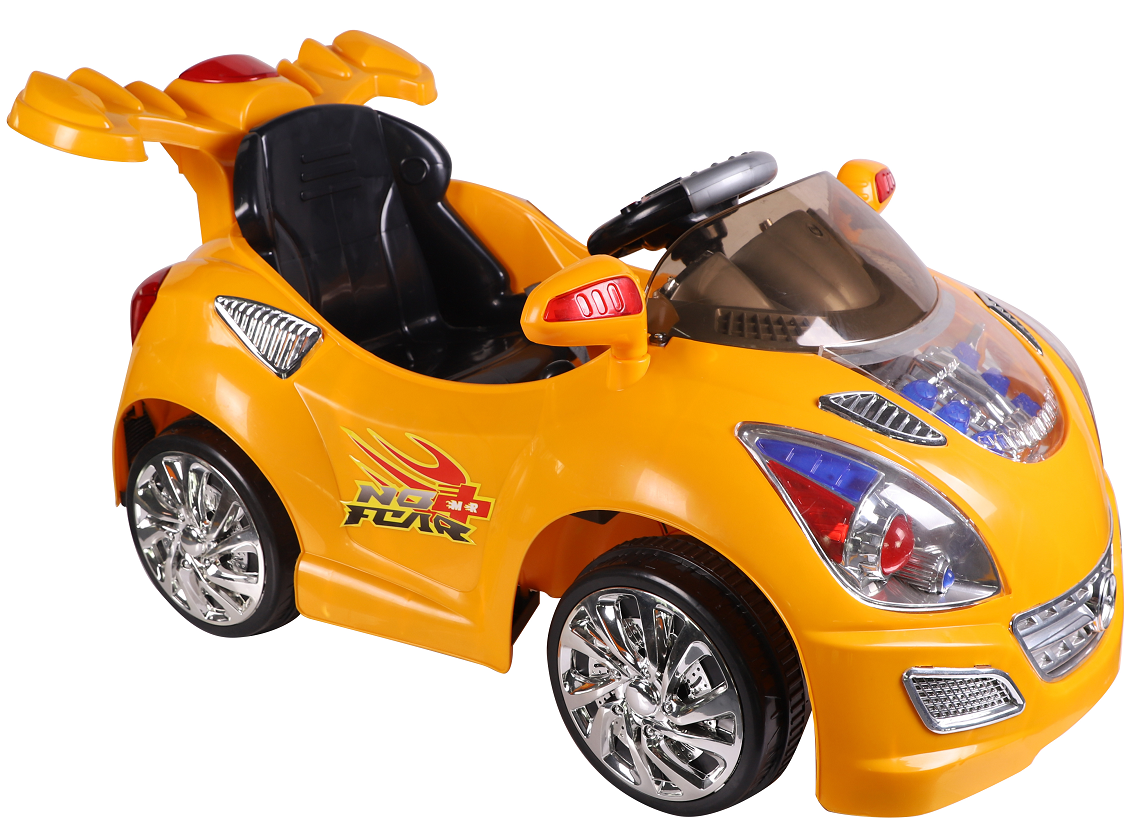
Ride-On Cars
Source Ride-On Cars from vetted suppliers and manufacturers. Designed for importers, distributors, and brands seeking reliable wholesale and OEM/private-label production, our network delivers high-quality battery-powered toy vehicles that meet stringent global safety standards.
Sourcing ride-on cars requires balancing the complexities of consumer electronics with the stringent safety requirements of children's toys. You are essentially importing small electric vehicles, which means vetting a supplier's capability to handle battery integration, drivetrain mechanics, injection-molded plastics, and strict regulatory compliance simultaneously.
For volume buyers, success in this category depends on specifying the right internal components and establishing rigorous oversight on the factory floor.
Drivetrain and Power Specifications
The core performance and cost of a ride-on car are dictated by its battery voltage and motor configuration. While 6V systems still exist for toddler-specific models, the global market is heavily concentrated in 12V and 24V configurations.
- 12V Systems: The industry standard. Typically utilizes dual 390-series or 550-series brushed DC motors. Suitable for flat terrain and standard speeds (up to 5 km/h).
- 24V Systems: Geared toward older children or off-road models (UTVs, tractors). These require heavier-duty 550 or 775-series motors, upgraded gearboxes with metal cogs, and often feature variable speed control.
- Battery Chemistry: Most factories quote standard Sealed Lead-Acid (SLA) batteries to keep costs down. Upgrading to Lithium-ion (Li-ion) reduces the vehicle's overall weight and improves charging cycles, but significantly increases the unit cost and requires stricter shipping documentation.
| Specification | Standard 12V Models | Performance 24V Models |
|---|---|---|
| Typical Motors | Dual 390 or 550 series | Dual/Quad 550 or 775 series |
| Top Speed | 3 to 5 km/h | 6 to 8 km/h |
| Weight Capacity | Under 30 kg | Up to 50 kg |
| Suspension | Spring (rear only) | 4-wheel shock absorbers |
Manufacturing Realities and Quality Control
The primary manufacturing hubs for ride-on cars in China are Pinghu (Zhejiang province) and Xingtai (Hebei province). While Pinghu generally leads in premium, licensed replica vehicles, Xingtai often focuses on cost-competitive, unbranded models.
Defects in this category can lead to costly product recalls. Issues rarely stem from the plastic body shell; they almost always originate in the electrical harness or battery integration. Implementing strict Quality Control & Inspection during assembly is critical.
Critical In-Line Inspection Points
- Wiring harness integrity: Ensure all connections are properly soldered and insulated to prevent short circuits.
- Remote control pairing: Test the 2.4GHz parental remote override for latency and signal drop-off at a distance of 20 meters.
- Motor stall torque: Verify the motors do not overheat or strip plastic gears when the vehicle is obstructed.
- Braking distance: Confirm the automatic braking mechanism engages immediately when the foot pedal is released.
- Battery discharge testing: Ensure the battery meets the stated Ah (Amp-hour) rating under load.
If you are importing into North America or Europe, you must also navigate a web of safety regulations. Toys with batteries require specific certifications. Partnering with a team that understands Compliance & Testing ensures your products pass ASTM F963, CPSIA, EN71, and EN62115 standards without customs delays.
Need reliable factories for your ride-on car line? Let Merhein handle the supplier vetting and quality assurance.
Talk to our teamOEM/ODM and IP Licensing
Many buyers want to source replica models of real-world luxury cars. If a ride-on car features the likeness, grille design, or badges of brands like Mercedes-Benz, Audi, or Land Rover, the factory must hold a valid licensing agreement with that automaker. Customs authorities routinely seize unlicensed replica toys. Always verify the factory's authorization documents before placing an order.
For brands looking to build their own unique IP, utilizing OEM/ODM Services allows you to develop custom body molds, proprietary dashboard electronics (like integrated Bluetooth media players), and custom tire treads. Note that opening new injection molds for a ride-on car body is a significant capital investment, typically reserved for high-volume commitments.
Pricing, MOQs, and Logistics
Ride-on cars are high-volume, low-density cargo. Your landed cost will be heavily influenced by freight rates, making efficient container packing vital.
Because shipping "air" eats into margins, factories often ship these units partially disassembled (wheels, steering wheel, and windshield detached) to optimize carton size. Coordinating Shipping & Freight efficiently is just as important as negotiating the unit price.
Optimize your landed costs. We manage everything from factory negotiations to container consolidation.
Get a free consultationFrequently Asked Questions
Successfully sourcing ride-on cars means managing a complex supply chain that bridges auto-mechanics, consumer electronics, and strict toy safety standards. By focusing on component specifications and rigorous in-line inspections, buyers can mitigate risks and secure high-margin products that perform reliably in the hands of the end consumer.
Get Sourcing Help for Ride-On Cars
Tell us your requirements and our experts will connect you with verified manufacturers.