Rice Cooker Parts
Source premium Rice Cooker Parts from vetted manufacturers and wholesale suppliers across Asia. Designed for importers, distributors, and appliance brands requiring reliable OEM and aftermarket components, our network delivers scalable bulk manufacturing with stringent quality control.
Sourcing components for thermal kitchen appliances requires balancing cost with strict safety and performance tolerances. Rice cooker parts—from die-cast heating plates to non-stick inner pots and thermal fuses—must withstand repeated thermal cycling, resist moisture ingress, and comply with international food-contact and electrical safety standards. For bulk buyers, the challenge lies in identifying manufacturers capable of maintaining consistent material grades and exact dimensional tolerances across high-volume production runs.
Critical Component Specifications
Procuring reliable rice cooker parts requires a deep understanding of the sub-components that drive appliance longevity and user safety.
Inner Pots and Coatings
The inner pot is the most frequently replaced aftermarket part and a critical differentiator for OEM brands. The base material is typically 3003 aluminum alloy, though premium models utilize multi-ply stainless steel or cast iron. Thickness generally ranges from 1.5mm to 3.0mm; thicker pots provide better thermal mass and prevent warping under high heat.
Coating durability is the primary failure point. Standard PTFE (Teflon) coatings should have a thickness of 15 to 25 microns and pass cross-hatch adhesion testing. Ceramic coatings offer higher heat resistance and are increasingly popular for health-conscious markets, though they require precise application to prevent micro-cracking.
| Base Material | Thermal Conductivity | Warp Resistance | Typical Application |
|---|---|---|---|
| 1.5mm Aluminum | Excellent | Low | Entry-level / Budget models |
| 2.5mm+ Aluminum | Excellent | High | Mid-range / Standard models |
| Multi-ply Stainless | Moderate | Very High | Premium / Induction heating (IH) |
Heating Plates and Elements
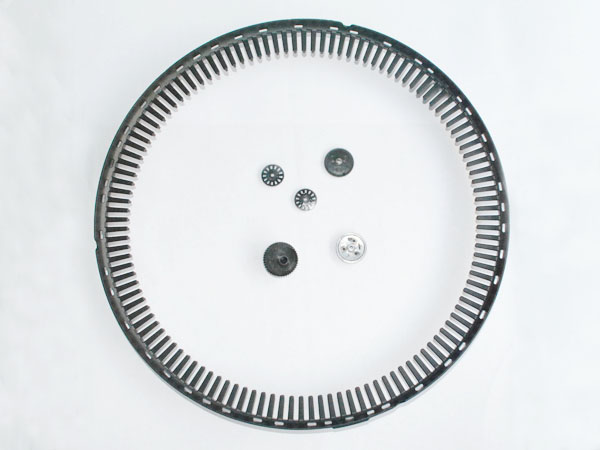
For traditional mechanical and micro-computer rice cookers, the heating plate is a die-cast aluminum disc with an embedded tubular heating element. The critical specification here is surface flatness. The plate must have a flatness tolerance of under 0.2mm. Any warping or concavity reduces the contact area with the inner pot, leading to uneven cooking and premature tripping of the center thermostat.
Struggling with high defect rates on thermal components? Let us help you identify and transition to capable, audited manufacturers.
Talk to our teamQuality Control and Compliance
Kitchen appliance parts sit at the intersection of electrical safety and food hygiene. When sourcing these components, comprehensive Quality Control & Inspection is non-negotiable to prevent costly product recalls.
Silicone sealing rings and steam valves must be molded from food-grade silicone. Suppliers must provide valid, verifiable test reports for FDA (US) or LFGB (Europe) compliance. Beware of suppliers substituting industrial-grade silicone to lower costs, which can leach volatile compounds under steam pressure.
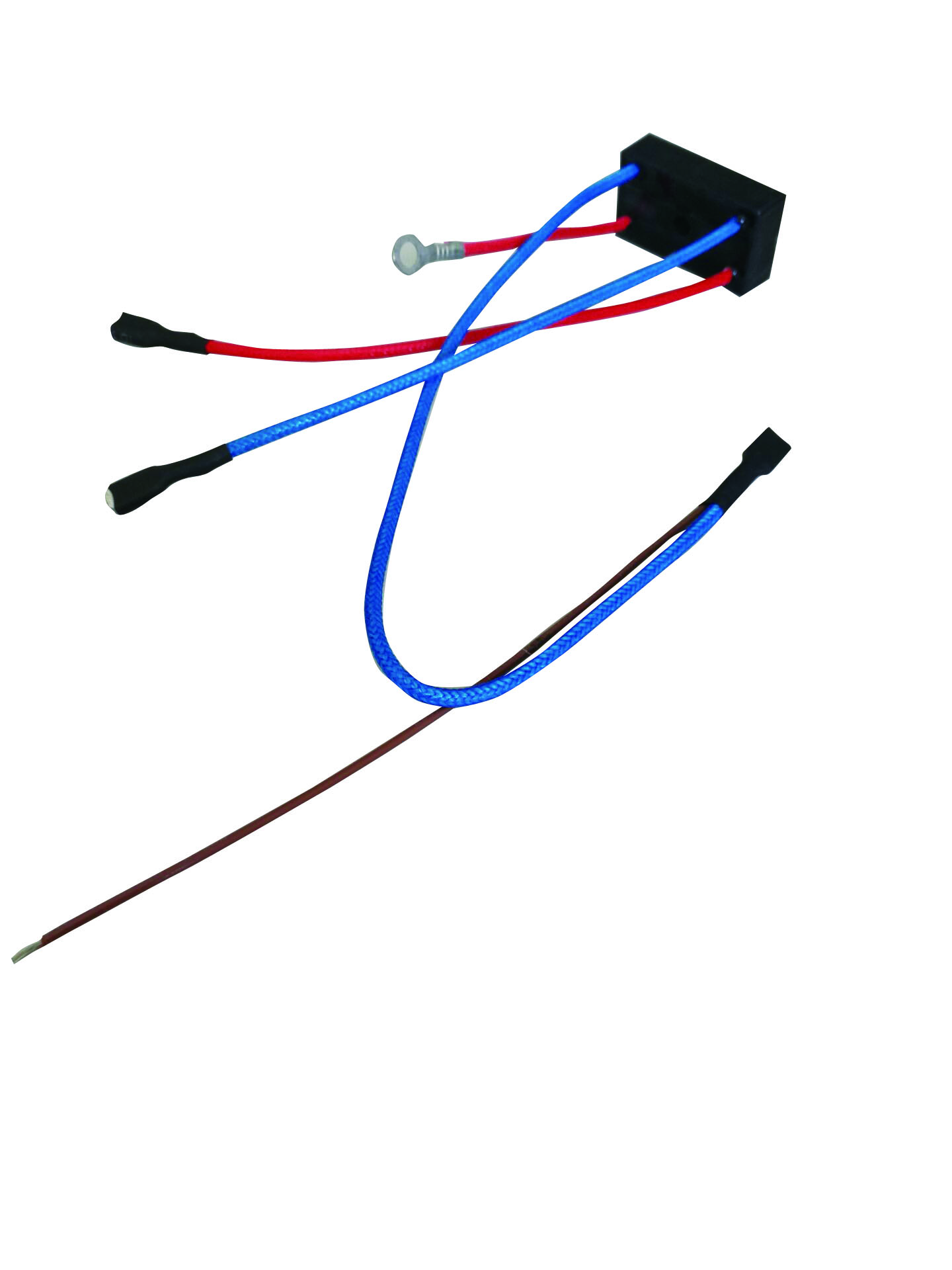
Electrical components, including thermal fuses, magnetic thermostats, and PCB control boards, require rigorous lifecycle testing. Thermal fuses must be calibrated to blow at the exact specified temperature (commonly 157°C or 172°C) to prevent fire hazards if the primary thermostat fails.
Essential QC Checks for Rice Cooker Parts
- Cross-hatch adhesion test for inner pot non-stick coatings
- Surface flatness measurement for die-cast heating plates
- Hi-pot (dielectric withstand) testing for electrical elements
- Verification of FDA/LFGB certification for all silicone seals
- Lifecycle actuation testing for magnetic center thermostats
Sourcing Hubs and Supply Chain Realities
The global hub for rice cooker manufacturing is concentrated in Guangdong province, China—specifically in Lianjiang (often called the "capital of rice cookers"), Zhanjiang, and Shunde. Sourcing directly from these clusters provides access to a deep sub-tier supply chain. However, many trading companies present themselves as factories. Conducting thorough Factory Audits is essential to verify that a supplier actually possesses the die-casting, stamping, or coating facilities they claim, rather than just assembling purchased parts.
For brands looking to develop custom inner pot shapes or proprietary heating profiles, partnering with a manufacturer that offers dedicated OEM/ODM Services is crucial. This ensures tooling ownership is clearly defined and production IP is protected.
MOQs, Lead Times, and Pricing Drivers
Component pricing is heavily dictated by raw material costs (aluminum ingot prices) and order volume. Standardizing your component requirements can significantly reduce MOQs and lead times.
Custom tooling for new heating plates or inner pots will require separate mold fees, which are often rebated after a specific volume threshold is met (typically 50,000 to 100,000 units).
Planning a custom appliance run? We can negotiate tooling terms and manage the entire production schedule.
Get a free consultationFrequently Asked Questions
Sourcing reliable rice cooker components requires proactive risk management, from verifying aluminum grades to ensuring thermal fuses perform exactly as rated. By defining strict technical tolerances and validating supplier capabilities on the ground, buyers can secure components that protect their brand reputation and bottom line.
Get Sourcing Help for Rice Cooker Parts
Tell us your requirements and our experts will connect you with verified manufacturers.