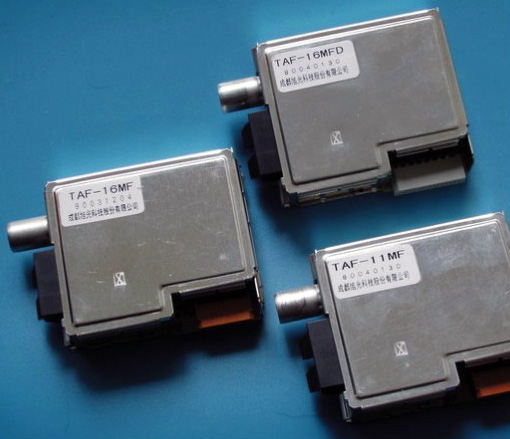
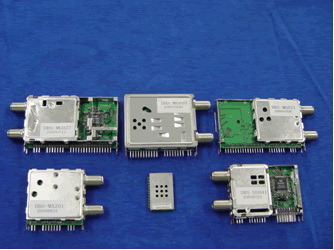
RF Transceiver Modules and Modems
Source high-performance RF Transceiver Modules and Modems from vetted suppliers and manufacturers across Asia. This category is specifically curated for electronics distributors, procurement managers, and hardware brands requiring reliable OEM/ODM production, ensuring bulk volumes meet strict regulatory and performance standards.
Sourcing RF transceiver modules and modems at scale requires strict attention to IC authenticity, RF performance consistency, and regulatory compliance. Whether you are integrating Sub-GHz modems for industrial IoT or 2.4GHz transceivers for consumer electronics, navigating the Asian electronics supply chain demands rigorous supplier oversight to avoid counterfeit silicon and ensure stable production yields.
Critical Specifications to Define
When evaluating a manufacturer's standard catalog or specifying a custom build, precision in your RF parameters is non-negotiable. Ambiguity here leads to poor range, high power consumption, and compliance failures.
- Frequency Bands & Protocols: Specify exact operating frequencies (e.g., 433MHz, 868/915MHz, 2.4GHz, 5GHz) and supported protocols (LoRa, Zigbee, BLE, Thread, Wi-Fi, NB-IoT).
- TX Power & RX Sensitivity: Define your required transmit power (measured in dBm) and receiver sensitivity. Ensure the supplier's stated figures match real-world testing, not just the theoretical limits of the core IC.
- Antenna Options: Specify whether the module requires an integrated PCB trace antenna, a ceramic chip antenna, or a U.FL/IPEX connector for an external antenna.
- Form Factor & Interface: Detail the physical footprint (e.g., stamp hole/castellated edges, SMD, or plug-in modules) and host interfaces (UART, SPI, I2C).
Struggling to find a supplier with authentic ICs and consistent RF yields? Let our engineering sourcing team evaluate your specifications and match you with verified manufacturers.
Discuss your RF requirementsManufacturing Quality and Common Defects
The difference between a reliable RF module and a field failure usually comes down to the factory's SMT (Surface Mount Technology) line and their testing protocols. RF circuits are highly sensitive to layout and manufacturing variances.
If you are evaluating a new partner, thorough Factory Audits are essential to verify their capability to handle high-frequency electronics.
Critical Factory-Level Checks
- IC Authenticity: Verify the factory's supply chain for core silicon (e.g., Nordic, Texas Instruments, Semtech) to prevent counterfeit or grey-market chips.
- Impedance Matching: Ensure the factory performs strict quality control on the PCB substrate material and trace widths to maintain 50-ohm impedance.
- Shielding Integrity: Check that RF shielding cans are properly soldered without gaps that could cause EMI leakage.
- Automated Optical Inspection (AOI): Confirm AOI is used to detect solder bridging or tombstoning on fine-pitch components (QFN/BGA packages).
- RF Testing: Factories must use Vector Network Analyzers (VNA) and spectrum analyzers on the production line, not just functional pass/fail tests.
Regulatory Compliance: Pre-certified vs. Custom Designs
RF modems must adhere to strict regional regulations regarding spectrum usage and emissions. Buying non-compliant modules can result in customs seizures or blocked market entry. Engaging a partner for Compliance & Testing early in the sourcing process mitigates these risks.
| Approach | Time to Market | Unit Cost | Ideal Volume |
|---|---|---|---|
| Pre-certified Modules (FCC/CE/IC) | Fast | Higher | Low to Mid Volume |
| Uncertified Modules (Host-level cert needed) | Slower | Lower | High Volume |
Pricing, MOQs, and Lead Times
The pricing of RF transceivers is heavily dictated by the core IC cost, the complexity of the RF front-end (e.g., added power amplifiers or low-noise amplifiers), and the shielding requirements.
When negotiating prices, remember that extremely low quotes often indicate the use of reclaimed chips, lower-grade oscillators (crystals with high ppm drift), or skipped RF calibration steps. Robust Quality Control & Inspection is required to ensure the units you receive match the approved golden sample.
Need realistic pricing and lead times for your RF module volumes? Speak with our team to get current market data and supplier availability.
Get a sourcing assessmentFrequently Asked Questions
Securing a reliable supply of RF transceiver modules requires balancing unit cost with stringent quality assurance and compliance tracking. By partnering with a team that understands the technical nuances of RF manufacturing, you can stabilize your supply chain and protect your product's field performance.
Get Sourcing Help for RF Transceiver Modules and Modems
Tell us your requirements and our experts will connect you with verified manufacturers.