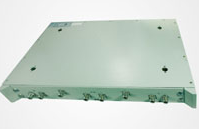
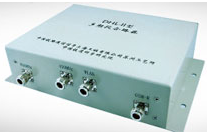
RF Multiplexers
Source high-performance RF multiplexers directly from vetted manufacturers and wholesale suppliers in China and across Asia. Designed for telecommunications importers, electronic component distributors, and OEM brands requiring reliable bulk supply, custom specifications, and rigorous quality control.
Sourcing RF multiplexers in volume requires balancing strict performance tolerances with production scalability. Whether you are integrating these components into cellular base stations, DAS (Distributed Antenna Systems), radar, or specialized test equipment, the primary challenge is ensuring consistent insertion loss, high isolation, and precise frequency response across thousands of units.
When buying in bulk directly from overseas manufacturers, success depends on specifying the right parameters upfront and verifying that the factory has the testing infrastructure to maintain those standards during mass production.
Critical Specifications for Bulk Orders
RF multiplexers (including diplexers, triplexers, and quadplexers) are highly application-specific. Off-the-shelf solutions are rare for high-power applications, meaning you will often need to provide a detailed specification sheet to your supplier.
Essential Specs to Define with Your Manufacturer
- Passband Frequencies: Exact start and stop frequencies for each channel (in MHz or GHz).
- Insertion Loss: Maximum acceptable loss within the passband (e.g., max 1.5 dB).
- Channel Isolation: Minimum required attenuation between channels (e.g., min 60 dB).
- VSWR / Return Loss: Voltage Standing Wave Ratio limits across the operating bands.
- Power Handling: Continuous Wave (CW) and Peak power ratings (in Watts).
- PIM Performance: Passive Intermodulation limits (e.g., max -150 dBc or -160 dBc), critical for 5G and LTE applications.
- Interface / Connectors: SMA, N-Type, 4.3-10, or DIN, including gender and plating requirements.
Manufacturing Processes and Quality Control
The manufacturing approach dictates both the unit cost and the performance ceiling of the multiplexer. Cavity multiplexers, common in base stations, require precision CNC machining of the aluminum housing and high-quality silver plating on the internal resonators to minimize loss. Ceramic and LC (inductor-capacitor) multiplexers, used in smaller or lower-power devices, rely on automated SMT (Surface Mount Technology) assembly.
A major bottleneck in cavity multiplexer production is tuning. Even with precise CNC machining, individual tuning screws must be adjusted manually or semi-automatically by skilled technicians using a Vector Network Analyzer (VNA).
The Tuning Bottleneck
Inconsistent tuning labor is the leading cause of batch-to-batch variation. When vetting a supplier, evaluate their VNA testing capacity relative to their claimed daily output. If they lack sufficient testing stations, units will be rushed.
To mitigate these risks, implementing strict Quality Control & Inspection protocols is non-negotiable. Ensure that your pre-shipment inspection includes verification of the VNA test reports for a statistically significant sample of the batch.
Need help verifying supplier test capabilities and securing consistent RF performance?
Talk to our teamSourcing Landscape and Supplier Vetting
The majority of global RF component manufacturing is concentrated in China. Shenzhen and Dongguan are hubs for commercial telecom and DAS components, offering highly competitive pricing and rapid prototyping. Chengdu is another major hub, historically known for specialized, high-power, and aerospace-grade RF microwave components.
Because RF multiplexers look identical from the outside regardless of their internal quality, conducting thorough Factory Audits is highly recommended. You need to verify the thickness of their silver plating (using X-ray fluorescence), the calibration dates of their VNAs, and their PIM testing chambers before committing to a large order.
Typical Pricing, MOQs, and Lead Times
Pricing is heavily dependent on the frequency range, power handling, and mechanical complexity. Custom designs require initial NRE (Non-Recurring Engineering) or tooling fees.
| Multiplexer Type | Typical MOQ | Est. Production Lead Time |
|---|---|---|
| Custom Cavity Multiplexers | 50 - 200 pcs | 4 - 6 weeks |
| Ceramic / Dielectric | 1,000 - 5,000 pcs | 6 - 8 weeks |
| LC / SMD Multiplexers | 3,000 - 10,000 pcs | 4 - 5 weeks |
If you are developing a proprietary network device, leveraging OEM/ODM Services allows you to co-develop the multiplexer's mechanical footprint to perfectly match your enclosure, rather than compromising your design to fit a standard component.
Looking to negotiate better pricing, lower MOQs, or custom tooling for your RF components?
Get a free consultationFrequently Asked Questions
Securing a reliable supply of RF multiplexers comes down to locking in a golden sample and maintaining strict Bill of Materials (BOM) control. A supplier changing their plating vendor or connector source mid-production can drastically alter insertion loss and PIM performance. Professional sourcing oversight ensures what you approve in testing is exactly what arrives in your warehouse.
Get Sourcing Help for RF Multiplexers
Tell us your requirements and our experts will connect you with verified manufacturers.