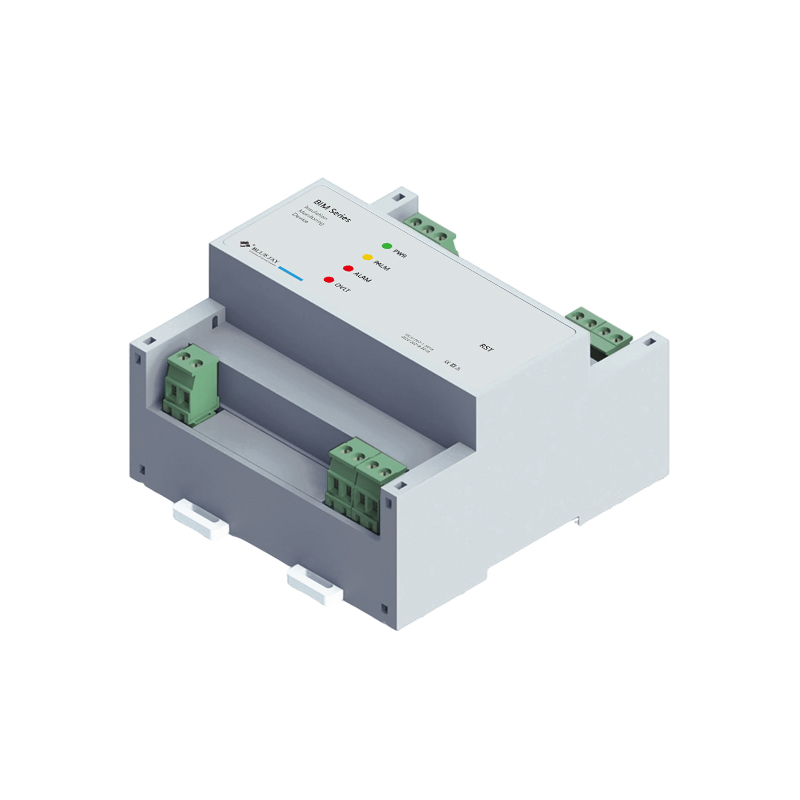
Resistance Meters
Source high-precision resistance meters directly from vetted manufacturers and suppliers in Asia. Built for electrical equipment distributors, industrial wholesalers, and brands seeking OEM production, our network delivers reliable instruments for low-resistance and insulation testing in bulk.
Sourcing resistance meters in volume requires navigating a highly fragmented supplier base where professional-grade exterior housings often mask subpar internal components. Whether you are procuring micro-ohmmeters for contact resistance testing, high-voltage insulation testers, or earth ground meters, the core sourcing challenge is identical: ensuring long-term measurement stability, component reliability, and strict adherence to electrical safety standards across your entire order volume.
Critical Specifications to Define in Your PO
The difference between a consumer-grade multimeter and an industrial resistance meter lies in the precision of its internal reference resistors and the quality of its Analog-to-Digital Converter (ADC). When negotiating with manufacturers, vague specifications lead to component substitution.
To prevent quality fade, your purchase orders and technical files must explicitly define:
- Test Current and Voltage: Specify the exact test currents (e.g., 10A, 100A for micro-ohmmeters) and test voltages (e.g., 500V, 1000V, 5000V for insulation testers).
- Accuracy Class and Resolution: Define the required baseline accuracy (e.g., ±0.1% of reading) and the temperature coefficient. Cheap reference resistors drift significantly when ambient temperatures fluctuate.
- Safety Category Ratings: Specify the exact IEC 61010 overvoltage category required (e.g., CAT III 600V or CAT IV 300V) based on the target market and application.
- Display and Interface: Specify LCD/OLED requirements, backlight longevity, and data logging capabilities (USB, Bluetooth, or RS-232 interfaces).
Need help standardizing your technical specifications for Asian manufacturers? Let our engineers review your product requirements.
Talk to our teamManufacturing Vulnerabilities and Quality Control
Resistance meters are highly sensitive to manufacturing environments. Dust, humidity, and poor soldering during Printed Circuit Board (PCB) assembly can introduce parasitic resistance, ruining the instrument's calibration before it even leaves the factory floor.
When evaluating a factory's capabilities, you must look beyond the assembly line and examine their testing infrastructure. A reliable supplier will have environmentally controlled calibration rooms and traceable standard resistors. If a factory relies entirely on third-party labs for basic calibration checks, they lack the internal quality systems necessary for consistent bulk production.
Implementing robust Quality Control & Inspection is non-negotiable. Pre-shipment inspections should include functional testing against known resistance standards, verification of the test leads (which are often downgraded by suppliers to save costs), and high-voltage dielectric withstand testing for the meter's casing.
Factory Audit Focus Areas for Resistance Meters
- Verify traceability of the factory's primary calibration standards.
- Check for ESD (Electrostatic Discharge) controls on the PCB assembly line.
- Inspect the quality and gauge of the supplied test leads and alligator clips.
- Confirm burn-in testing procedures for high-voltage insulation testers.
Compliance and Safety Certification
Importing electrical test equipment into regulated markets like North America and the European Union requires strict compliance documentation. A CE mark on a sample unit is not a guarantee of compliance for your bulk order.
Resistance meters must comply with the Low Voltage Directive (LVD) and Electromagnetic Compatibility (EMC) directive. More importantly, they must be tested to IEC 61010 standards to validate their CAT ratings. Falsified or misunderstood CAT ratings are a major liability; an instrument rated for CAT II cannot safely be used in a CAT IV environment. We strongly recommend independent Compliance & Testing to verify safety claims before finalizing your supplier contract.
Pricing, MOQs, and Lead Times
Pricing for resistance meters varies wildly based on the ADC quality, test current capacity, and the ruggedness of the housing. Standard off-the-shelf models with private labeling have lower barriers to entry, while custom tooling for unique enclosures requires significant upfront investment.
Component shortages, particularly for high-precision ADCs and specialized high-voltage capacitors, can extend lead times unexpectedly. Structuring your contracts with clear delivery penalties and buffered timelines is essential.
Struggling to find a manufacturer that meets your target pricing without compromising on internal components? We can help you source and vet capable suppliers.
Get a free consultationFrequently Asked Questions
Securing a reliable supply chain for resistance meters means looking past the outer casing and rigorously verifying the internal architecture and factory testing protocols. By defining exact component tolerances and enforcing strict pre-shipment calibration checks, you can protect your brand's reputation and ensure the safety of the end-user. Thorough Factory Audits are your best defense against quality fade in this highly technical category.
Get Sourcing Help for Resistance Meters
Tell us your requirements and our experts will connect you with verified manufacturers.