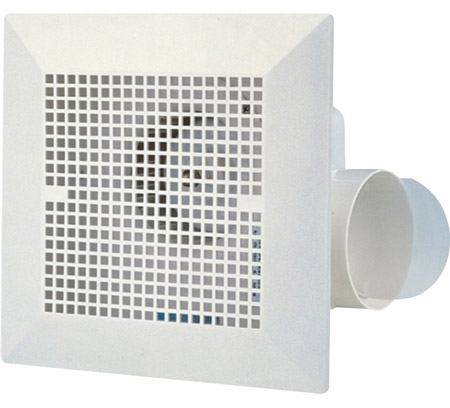
Registers & Grilles
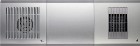
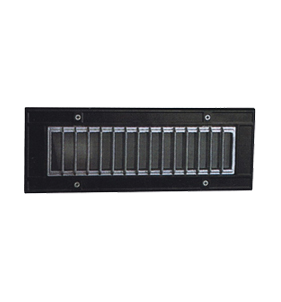
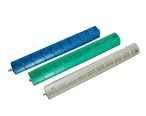
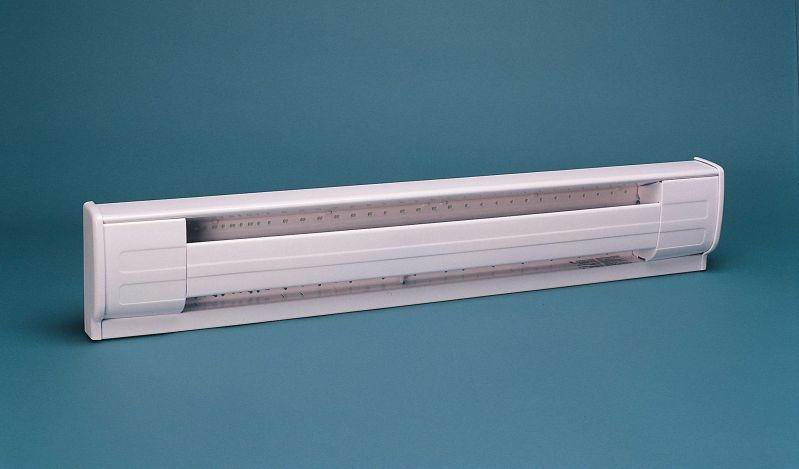
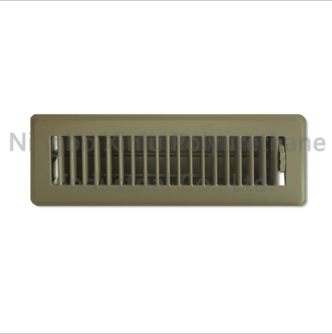
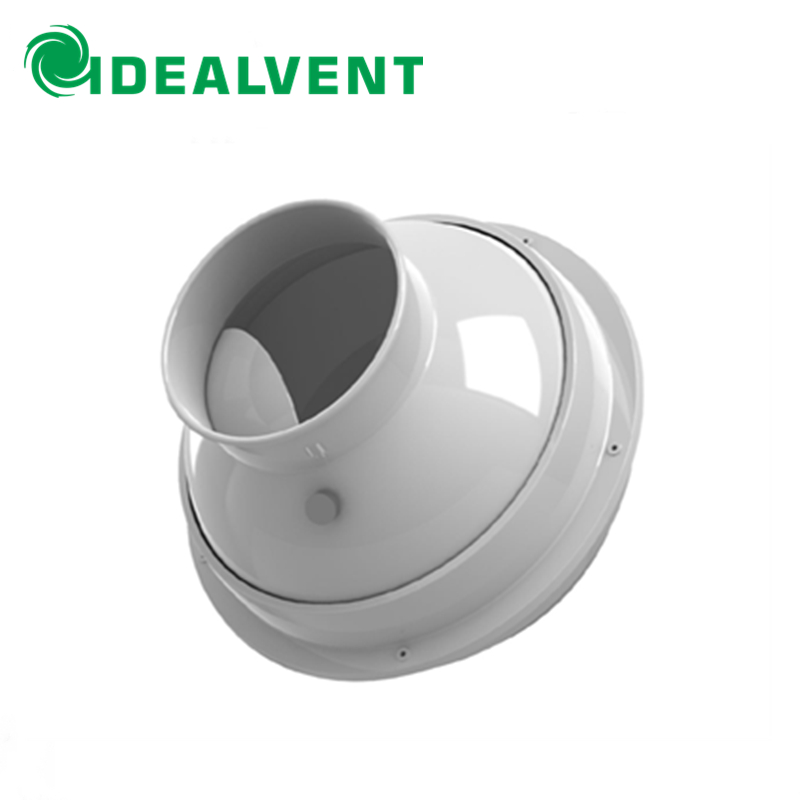
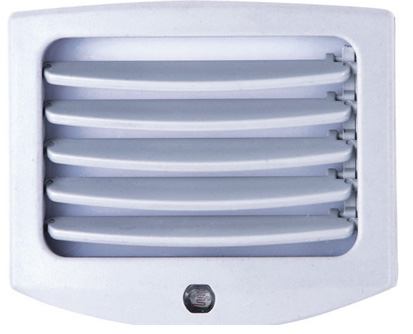
Source high-quality HVAC registers and grilles directly from vetted manufacturers. Designed for importers, wholesalers, distributors, and brands seeking reliable bulk production or custom OEM/private-label manufacturing. Ensure consistent airflow performance, precise sizing, and durable finishes.
Sourcing HVAC registers and grilles at scale requires balancing material costs with precise manufacturing tolerances. Whether you are supplying commercial developments, stocking residential HVAC distributors, or developing proprietary architectural designs, the core challenge remains consistent: securing components that meet strict dimensional standards, resist corrosion, and operate silently under high static pressure.
Material Selection and Manufacturing Methods
The foundation of any reliable register or grille is the raw material and how it is formed. Factories typically specialize in either stamping or extrusion, and selecting the right supplier depends heavily on your target market.
- Extruded Aluminum: The standard for commercial applications and high-end residential markets. Extrusion allows for rigid, aerodynamic fin profiles that minimize pressure drop and noise. The primary cost driver here is the weight of the aluminum profile; lower-tier suppliers may use thinner extrusions (under 1.0mm) which flex under pressure or warp during installation.
- Stamped Steel: Common in standard residential applications. Steel is cost-effective but relies entirely on its protective coating to prevent rust. Cold-rolled steel is standard, though galvanized steel offers better longevity in humid environments.
- ABS Plastic: Used in highly corrosive environments (like indoor pools) or extreme budget applications.
| Material Type | Typical Application | Forming Process | Key Sourcing Consideration |
|---|---|---|---|
| Extruded Aluminum | Commercial, Coastal HVAC | Profile Extrusion & Assembly | Wall thickness (minimum 1.0mm-1.2mm) |
| Stamped Steel | Standard Residential | Die Stamping | Powder coat prep and adhesion |
| ABS Plastic | High-Humidity, Budget | Injection Molding | UV resistance additives |
Need to verify a supplier's extrusion capabilities or material grades before placing a bulk order?
Talk to our teamCritical Specifications and Tolerances
A grille that does not fit perfectly into standard ductwork is useless, leading to costly site returns. When negotiating with factories, you must specify both the "neck size" (the dimension that fits inside the duct) and the "face size" (the overall visible dimension).
The industry standard tolerance for neck sizes is minus 3mm to minus 5mm from the nominal duct size to ensure a smooth fit without forcing. If a factory's tooling is worn, neck dimensions can drift, causing installation failures.
For registers, the damper mechanism is just as critical as the frame. Opposed Blade Dampers (OBD) require precise gear alignment. If the gears are molded from cheap plastics or assembled poorly, the damper will bind or rattle under airflow. If you are developing proprietary faceplate designs, you will need a factory capable of robust OEM/ODM Services to handle custom die creation and acoustic testing.
Quality Control on the Factory Floor
Visual defects and mechanical failures are common when factories rush production or skip surface preparation. Powder coating is a frequent failure point; if the aluminum or steel is not properly chemically washed before coating, the paint will flake off within months.
When executing Quality Control & Inspection prior to shipment, inspectors should focus on the following mechanical and cosmetic standards:
Pre-Shipment Inspection Focus Areas
- Dimensional Accuracy: Verify neck size tolerances are strictly negative (e.g., exactly 2mm to 4mm smaller than nominal duct size).
- Damper Operation: Actuate OBD or multi-shutter dampers to ensure smooth operation with no binding or excessive play.
- Powder Coat Adhesion: Perform an ASTM D3359 cross-hatch tape test to verify paint adhesion and check for uniform thickness (typically 60 to 80 microns).
- Weld and Rivet Integrity: Inspect corner joints on extruded frames for hairline cracks or poorly ground welds.
- Acoustic Integrity: Perform a manual shake test to identify loose fins or rattling damper blades.
Pricing, MOQs, and Logistics Realities
Registers and grilles are high-volume, low-margin products that take up significant space. You are essentially "shipping air."
Minimum Order Quantities (MOQs): Standard sizes typically require MOQs of 500 to 1,000 pieces per SKU. Custom colors or proprietary architectural extrusions will push MOQs higher to justify the setup time on the powder coating line or the cost of new extrusion dies.
Lead Times: Expect 25 to 35 days for standard production. If new extrusion tooling is required for custom profiles, add 15 to 20 days to the initial order timeline.
Freight Optimization: Because these items are bulky, your landed cost is heavily dependent on how efficiently the container is packed. Some suppliers ship fully assembled registers in individual boxes, which eats up container space. Working with an expert in Shipping & Freight can help you optimize packaging—such as nesting grilles or shipping dampers unattached if final assembly is feasible at your destination facility—drastically reducing your per-unit freight cost.
Looking to optimize your container loading or negotiate better factory pricing for your HVAC components?
Get a free consultationFrequently Asked Questions
Successfully sourcing registers and grilles means looking past the unit price and scrutinizing the factory's tooling maintenance, surface preparation, and packaging efficiency. By controlling dimensional tolerances and optimizing freight, you protect your margins and eliminate costly site rejections. If you need experienced oversight to manage this supply chain, our team is ready to step in.
Get Sourcing Help for Registers & Grilles
Tell us your requirements and our experts will connect you with verified manufacturers.