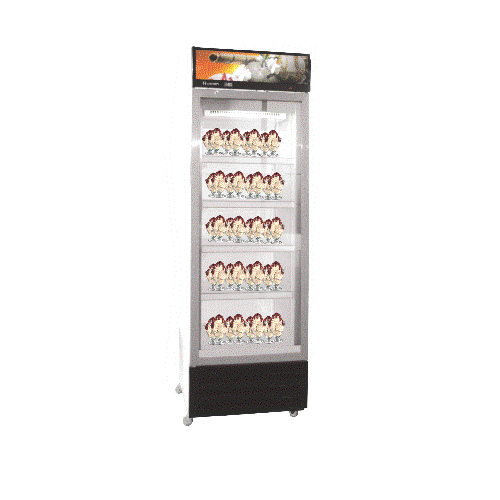
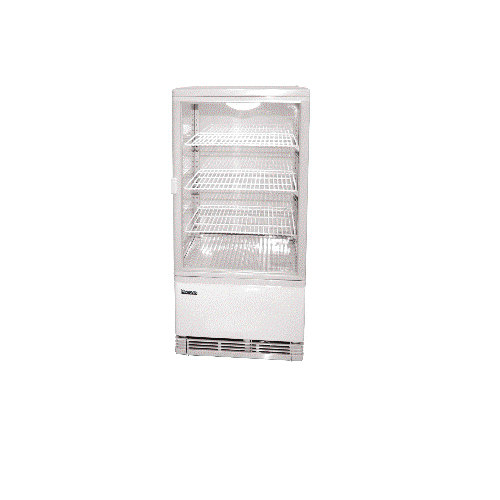
Refrigeration Equipment
Source commercial refrigeration equipment directly from vetted manufacturers and factories. Built for importers, wholesalers, distributors, and brands seeking reliable OEM and private-label production. Ensure strict compliance, optimal cooling performance, and competitive bulk pricing for your supply chain.
Sourcing commercial refrigeration equipment at scale requires balancing unit cost against energy efficiency, cooling reliability, and stringent environmental regulations. The core challenge in this category lies in verifying that the factory's internal components—specifically the compressor, condenser, and insulation materials—match your specified requirements rather than standard, domestic-grade substitutes that will fail under commercial workloads.
Core Specifications and Component Selection
The reliability of any refrigeration unit is determined by its bill of materials (BOM). When negotiating with suppliers, you must specify exact component grades to avoid silent downgrades during production.
- Compressors: The compressor is the heart of the system. High-end commercial units typically utilize globally recognized brands (such as Embraco, Secop, or Danfoss) for proven longevity and easier aftermarket servicing. For more cost-sensitive markets, top-tier Chinese brands (like Donper or Huayi) offer excellent performance, provided they are properly sized for the cabinet volume and target ambient temperature.
- Refrigerants and Environmental Compliance: The global phase-down of high-GWP (Global Warming Potential) hydrofluorocarbons (HFCs) means legacy refrigerants like R404a and R134a are increasingly restricted. Modern commercial units must utilize natural refrigerants like R290 (propane) or R600a (isobutane). Ensure the factory's assembly line is certified to handle flammable refrigerants safely.
- Cabinet Insulation: High-density cyclopentane polyurethane foaming is standard. If the foaming density is too low or contains voids, the thermal barrier is compromised, forcing the compressor to overwork and drastically shortening the unit's lifespan.
Navigating compressor options and refrigerant compliance for different markets? Let us match you with a factory that meets your exact technical requirements.
Talk to our teamManufacturing Capabilities and Factory Vetting
Not all sheet metal fabricators are capable refrigeration manufacturers. A competent factory must have automated foaming machines, dedicated vacuuming and charging stations, and climate-controlled testing chambers. Before committing to a volume order, running comprehensive Factory Audits is critical to verify their production infrastructure and quality management systems.
Pay close attention to how the factory handles the refrigeration cycle assembly. The vacuuming process must be thorough to remove all moisture from the copper lines before charging; any residual moisture will cause internal icing and compressor failure.
Critical Quality Control Checkpoints
- Helium or halogen leak testing on all copper joints and evaporator coils.
- Electrical safety verification, including high-voltage (hipot) and ground continuity testing.
- Pull-down time testing in a climate chamber (verifying time to reach target temperature at 32°C or 43°C ambient).
- Foaming density consistency checks to ensure no thermal voids exist in the cabinet walls.
- Defrost cycle verification for dynamic/ventilated cooling systems.
Catching defects after assembly is difficult and expensive. Implementing strict in-line and pre-shipment Quality Control & Inspection ensures that units are tested for performance, not just cosmetic appearance, before they are loaded into the container.
Regulatory Compliance and Certifications
Refrigeration equipment is heavily regulated for both electrical safety and energy efficiency. Depending on your target market, you will need specific certifications:
- North America: UL or ETL for electrical safety, NSF/ANSI 7 for food-zone sanitation, and DOE/Energy Star for energy efficiency.
- Europe: CE (LVD, EMC), RoHS, and strict adherence to F-Gas regulations and EcoDesign (MEPS) energy labeling.
Never take a supplier's certification claims at face value. Always request the full test reports and verify them with the issuing laboratory, or utilize professional Compliance & Testing services to ensure your imported units meet all local regulations.
Pricing Drivers, MOQs, and Lead Times
Commercial refrigeration is a capital-intensive category with pricing heavily dependent on raw materials (stainless steel, copper, glass) and component brands.
Pricing is highly sensitive to the grade of stainless steel used (budget units use 201; premium food-grade requires 304) and the type of cooling system (static cooling is cheaper but prone to frost; ventilated/dynamic cooling is more expensive but mandatory for most commercial applications).
Need to lock in pricing, customize specifications, and manage production schedules for your next container load? We handle the negotiation and logistics from end to end.
Get a free consultationFrequently Asked Questions
Successful sourcing of refrigeration equipment requires looking past the outer cabinet and rigorously verifying the internal components and thermal integrity. By partnering with vetted manufacturers and enforcing strict performance testing standards, you can secure reliable commercial units that protect both your margins and your brand's reputation.
Get Sourcing Help for Refrigeration Equipment
Tell us your requirements and our experts will connect you with verified manufacturers.