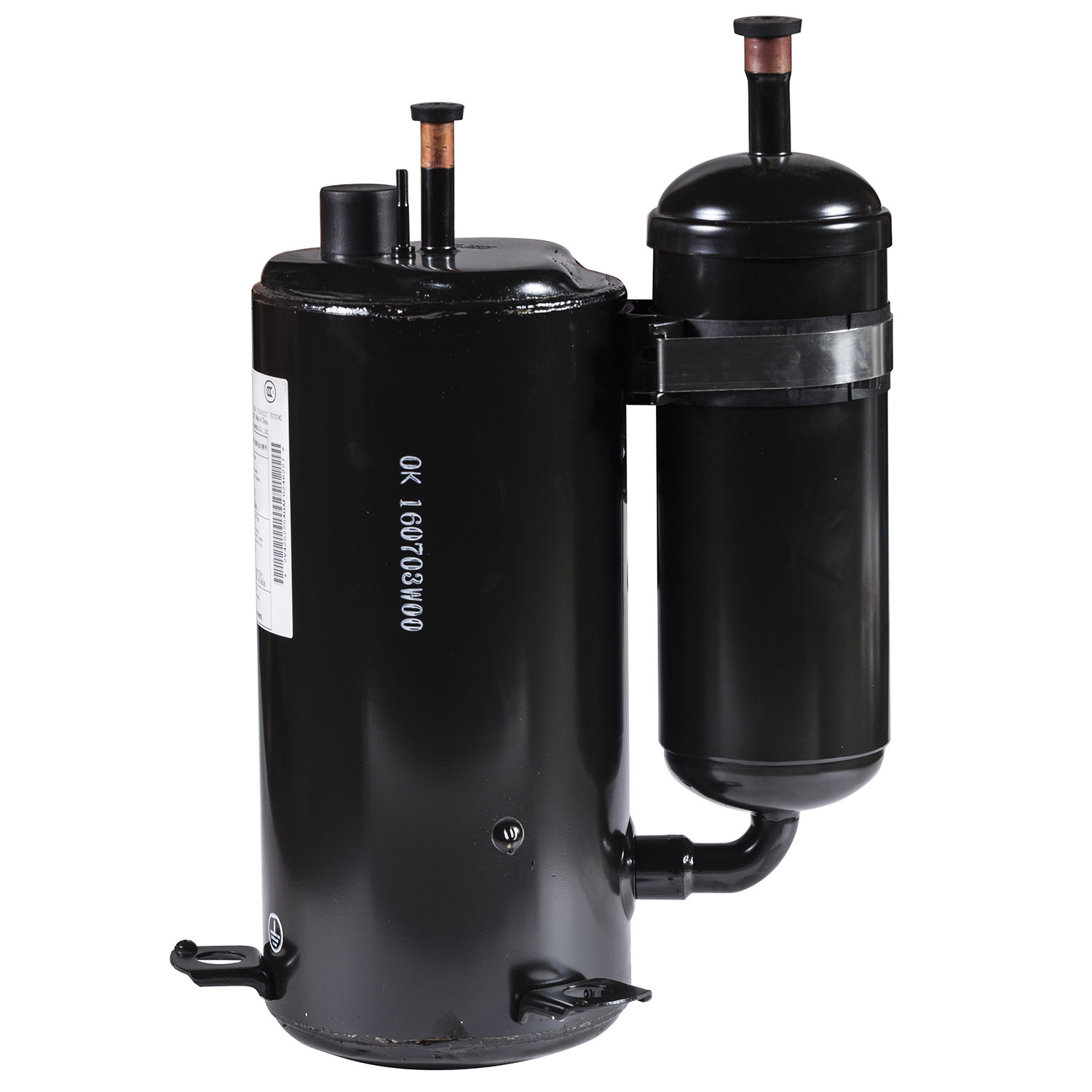
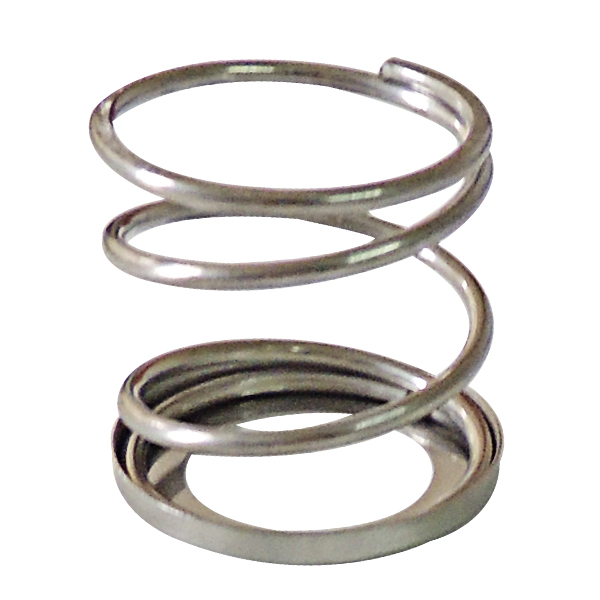
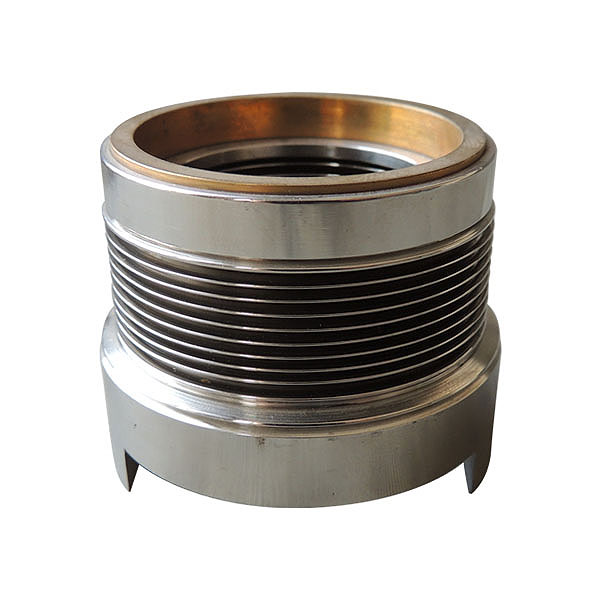
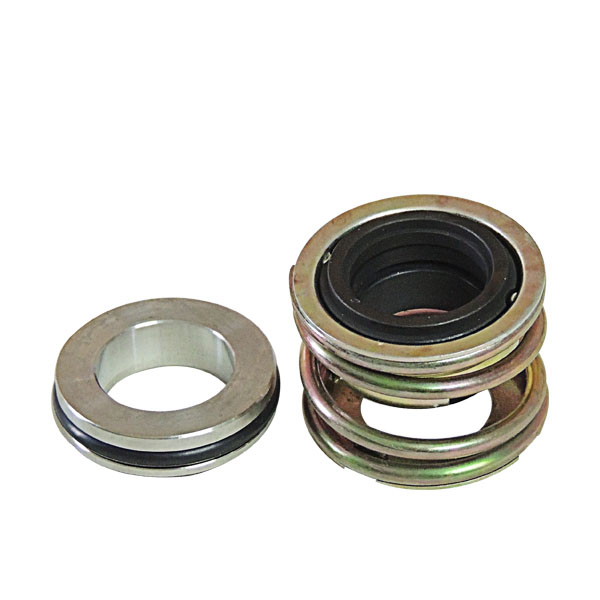
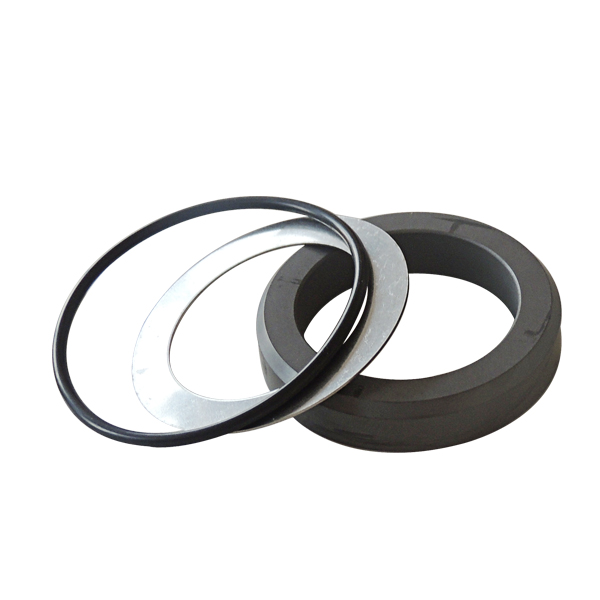
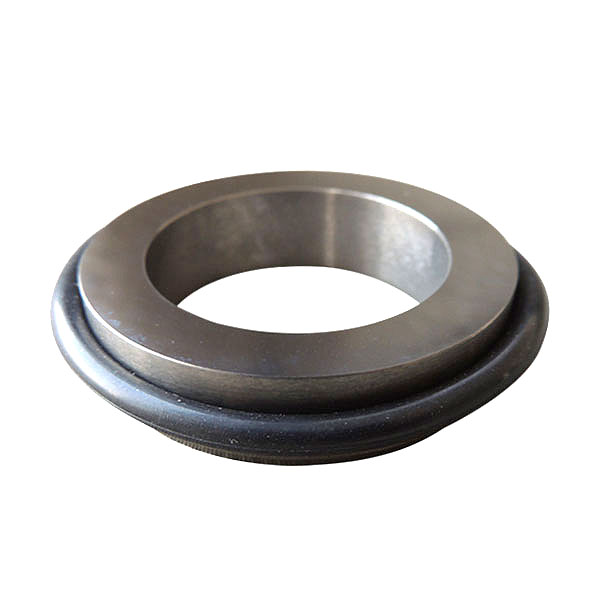
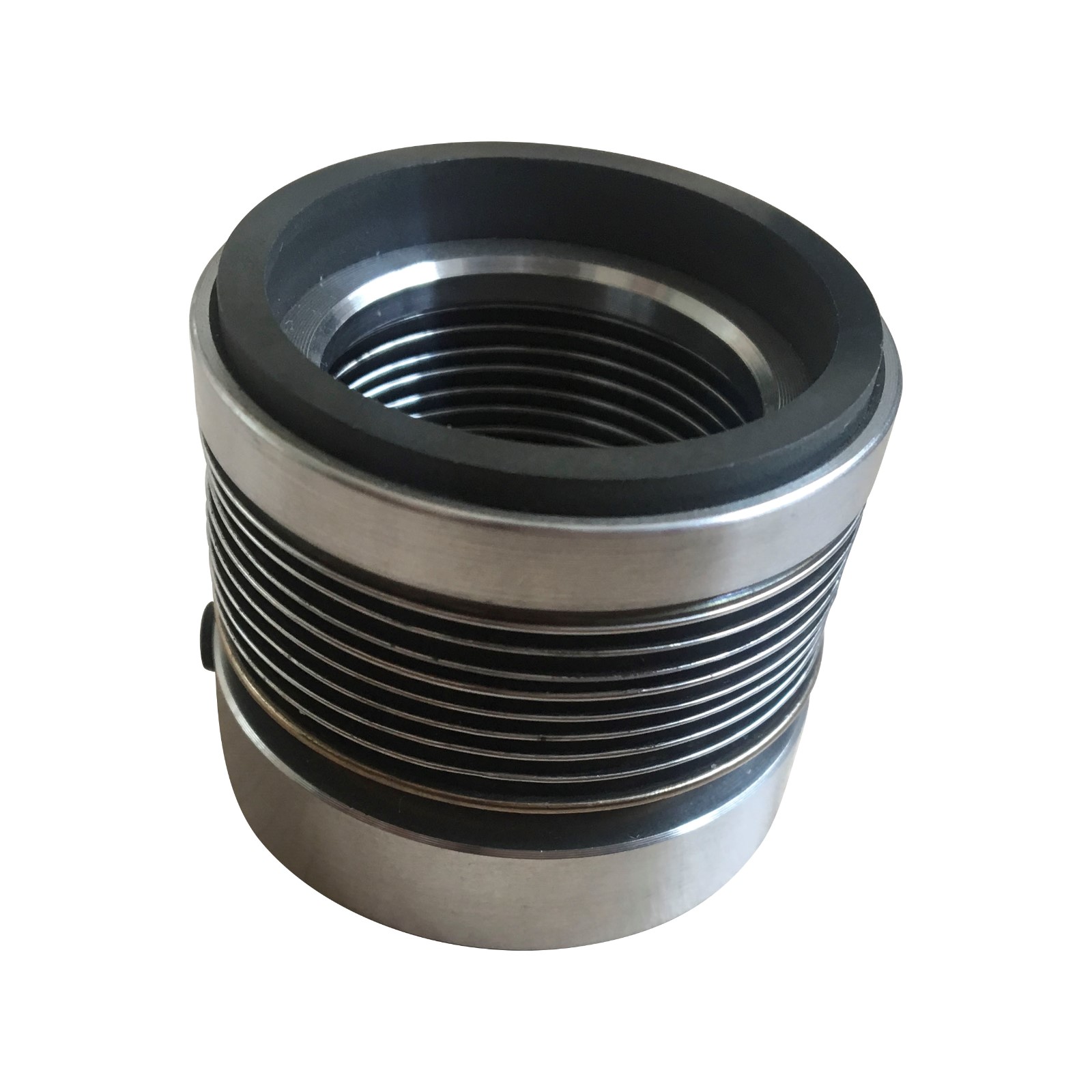
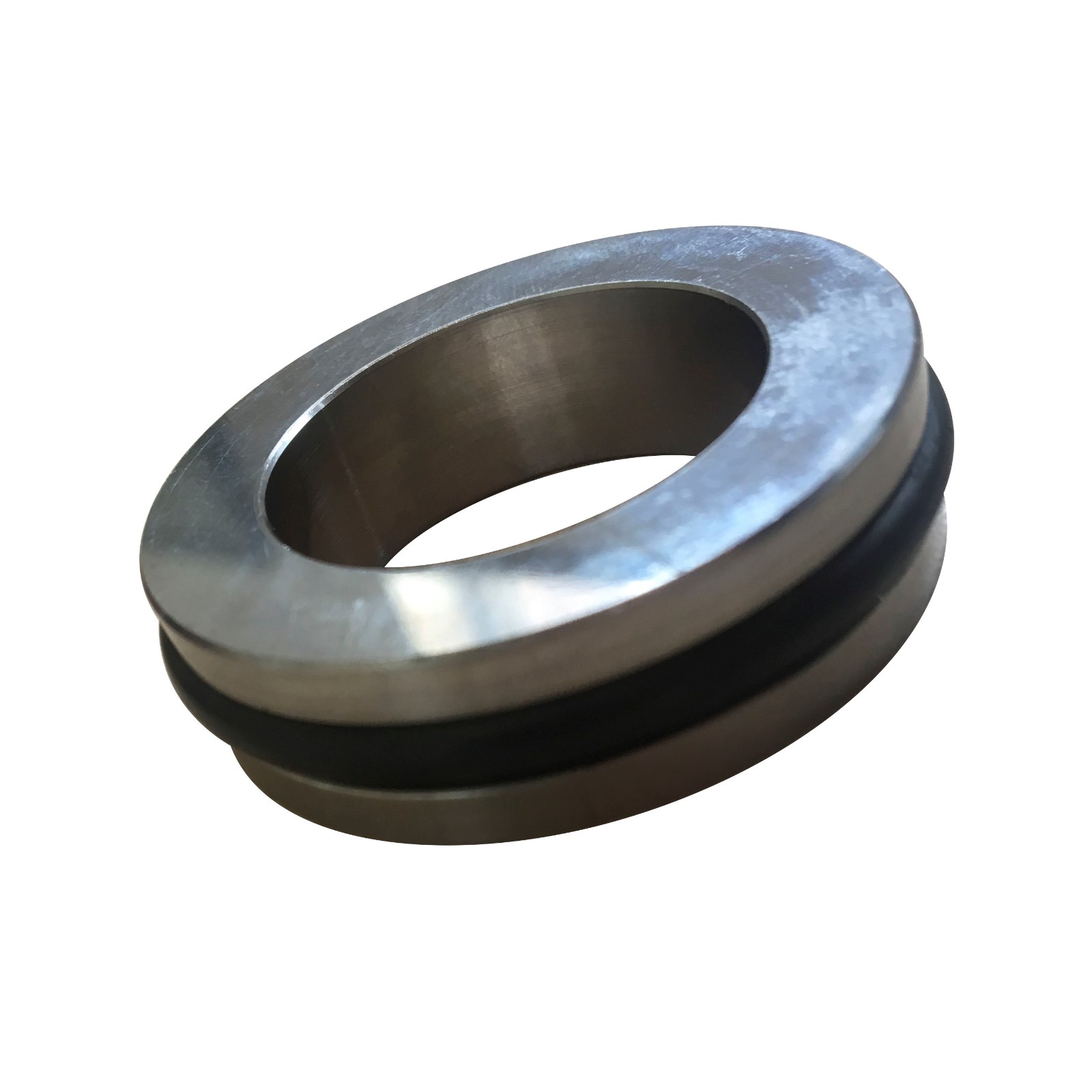
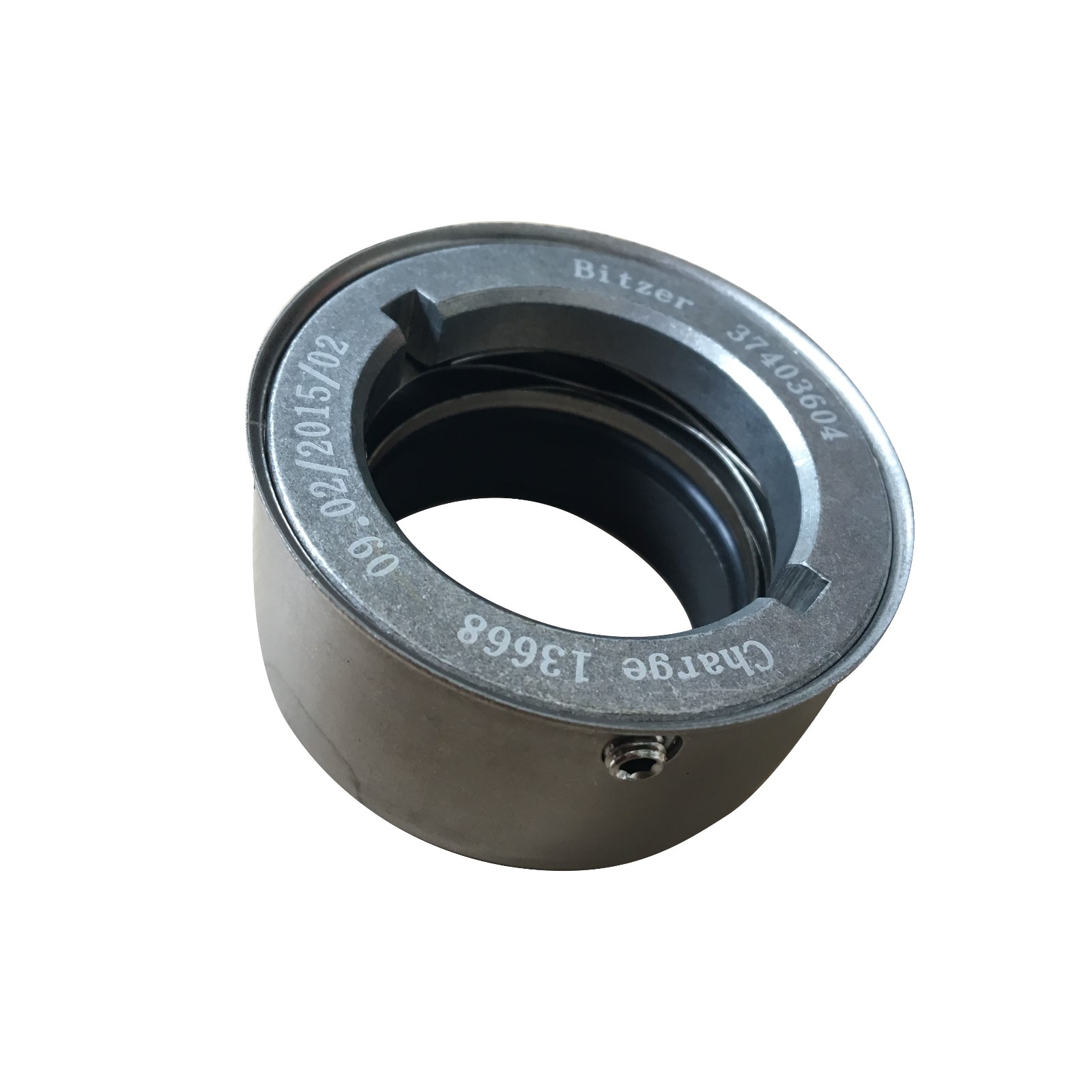
Refrigeration Accessories
Source commercial and industrial Refrigeration Accessories directly from vetted suppliers and manufacturers in Asia. Designed for importers, HVAC&R wholesalers, and brands requiring reliable OEM and private-label production at scale, our network ensures compliance with strict international pressure and safety standards.
Refrigeration accessories act as the vital safeguards of any commercial or industrial HVAC&R system. Components in this category must withstand intense pressure cycling, extreme temperature gradients, and the chemical properties of aggressive modern refrigerants. For volume buyers, the primary sourcing challenge is identifying manufacturers whose metallurgical consistency and testing protocols match strict regulatory demands, without eroding procurement margins.
Critical Specifications and Refrigerant Compatibility
The global transition toward low-GWP (Global Warming Potential) and natural refrigerants has fundamentally changed the engineering requirements for refrigeration accessories. Legacy components designed for R22 or R134a are often incompatible with the higher operating pressures of R32, R290, or transcritical CO2 (R744).
When specifying accessories for bulk production, you must define the Maximum Working Pressure (MWP) and ensure the factory uses compatible elastomers (like neoprene or specialized PTFE) for internal seals to prevent chemical degradation.
| System Type | Typical Refrigerants | Required MWP | Material Considerations |
|---|---|---|---|
| Standard Commercial | R410A, R134a | 45 to 60 bar | Standard copper and brass alloys |
| Flammable/A2L | R32, R290 | 45 to 50 bar | Anti-static designs, specialized hermetic sealing |
| Transcritical CO2 | R744 | Up to 140 bar | High-yield strength copper-iron alloys (e.g., K65), forged brass |
Metallurgical Quality and Wall Thickness
For brass components, the exact alloy composition dictates machinability and resistance to stress corrosion cracking. High-quality factories will use CW617N or CW614N brass. For copper accessories, wall thickness is the primary defense against burst failures. Factories competing aggressively on price often thin out the copper walls, which may pass initial pressure tests but will fail under long-term vibration and pressure fatigue.
Struggling to verify the raw material grades of your current HVAC&R suppliers? Let our engineers assess their material certifications and production standards.
Talk to our teamManufacturing Tolerances and Defect Prevention
The reliability of a refrigeration accessory is won or lost during machining and joining. CNC machining centers are standard in top-tier facilities, but the maintenance of the cutting tools and the calibration of the machines determine the final threading and seating tolerances.
Brazing is another critical failure point. Automated induction brazing provides a highly consistent joint with minimal oxidation, whereas manual brazing is prone to human error, leading to pinhole leaks or internal scaling that can contaminate a refrigeration circuit.
To ensure defect-free shipments, rigorous Quality Control & Inspection is non-negotiable.
Factory Testing Capabilities to Verify
- Helium Mass Spectrometry: Essential for detecting micro-leaks (rates less than 1x10^-5 mbar L/s).
- Burst Pressure Testing: Batch testing to destruction to verify safety margins (typically 3x to 5x MWP).
- Fatigue Testing: Simulating years of pressure cycling and thermal shock.
- Material Spectrometry: In-house PMI (Positive Material Identification) to verify incoming brass and copper ingots.
Thorough Factory Audits are the only way to confirm whether a supplier actually utilizes these testing rigs in daily production, or if they are merely display pieces for visiting buyers.
Buying Mechanics: Pricing, MOQs, and Lead Times
Refrigeration accessories are heavily commoditized at the low end but highly specialized at the high pressure/custom end. Pricing is intrinsically linked to the London Metal Exchange (LME) copper and zinc indices.
When engaging in OEM/ODM Services for proprietary accessory designs, expect initial lead times to extend by 20 to 30 days to accommodate tooling, prototyping, and first-article inspection.
Need to consolidate multiple refrigeration components from different factories into a single shipment? We manage the entire procurement and logistics process.
Get a free consultationFrequently Asked Questions
Sourcing refrigeration accessories requires a strict adherence to metallurgical and pressure standards. Success in this category relies on partnering with manufacturers who treat quality control as a structural pillar of their operations, rather than an afterthought.
Get Sourcing Help for Refrigeration Accessories
Tell us your requirements and our experts will connect you with verified manufacturers.