Rebar Cutting Machines
Source high-performance Rebar Cutting Machines directly from vetted manufacturers and suppliers in Asia. Built for heavy-duty industrial applications, our factory-direct network serves importers, distributors, and brands seeking reliable wholesale purchasing or custom OEM production.
Rebar cutting machines are critical infrastructure equipment where failure means halted construction sites and costly downtime. Sourcing these units in bulk requires navigating a supply chain where identical external housings often mask severe internal compromises. The primary challenge for volume buyers is ensuring consistent metallurgical quality in the internal gears and verifying true motor specifications across multi-container orders.
Mechanical vs. Hydraulic Rebar Cutters
When establishing your procurement parameters, the drive mechanism dictates the machine's lifespan, maintenance schedule, and target market.
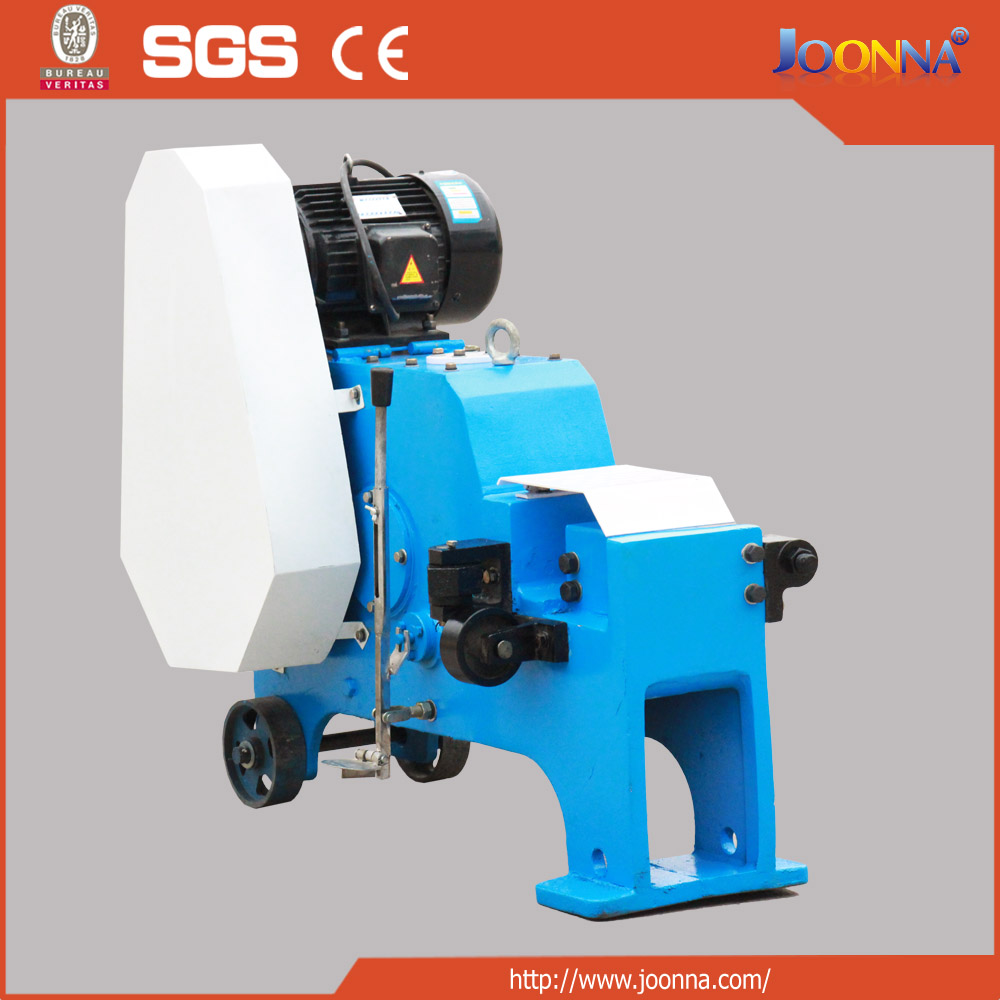
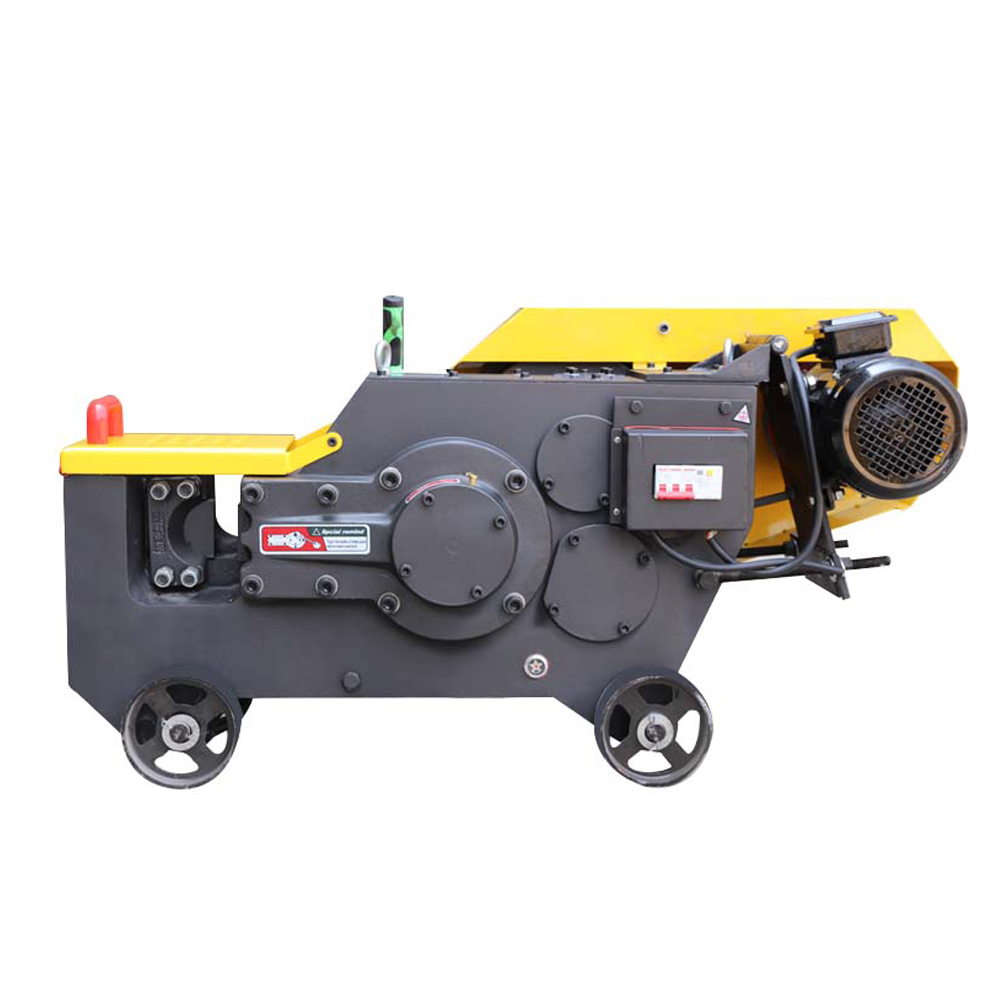
- Mechanical (Gear-Driven) Cutters: Utilize heavy-duty flywheels and reduction gears to drive the cutting block. They are exceptionally fast and durable but require precise heat treatment of the internal gears to prevent stripping under heavy continuous loads.
- Hydraulic Cutters: Offer smoother operation and are often more compact. The critical failure points here are the internal seals and the quality of the hydraulic pump. Poorly machined pump cylinders will lead to pressure loss and failure to cut maximum-diameter steel.
Struggling to verify the internal component quality of your current suppliers?
Talk to our teamCritical Component Specifications
To avoid catastrophic field failures, your purchase orders and technical specification sheets must dictate exact material requirements. Relying on a manufacturer's "standard export quality" frequently results in downgraded internal components.
| Component | Standard Export | Industrial Grade |
|---|---|---|
| Motor Winding | Aluminum or Copper-Clad Aluminum (CCA) | 100% Pure Copper (High thermal tolerance) |
| Cutting Blades | Standard Carbon Steel (T10) | Cr12MoV or H13 Tool Steel (Forged & Heat Treated) |
| Internal Gears | Cast Iron or Low-Grade Steel | Forged 45# Steel or 40Cr (Quenched) |
| Machine Body | Welded Steel Plate (Thinner gauge) | Heavy-Duty Cast Iron or Thick Welded Steel |
The Motor Winding Deception
The most common cost-cutting measure in electric rebar cutters is substituting pure copper motor windings with aluminum or copper-clad aluminum (CCA). Aluminum windings overheat quickly during continuous operation, leading to premature motor burnout. Specifying pure copper is not enough; you must verify it. Implementing rigorous Quality Control & Inspection prior to shipment is the only way to ensure the motors meet your specified thermal and electrical standards.
Factory Validation and OEM Customization
Not all assembly plants machine their own parts. Many suppliers are simply integrators, purchasing motors, gears, and cast bodies from sub-suppliers. This limits their control over metallurgical consistency.
Conducting thorough Factory Audits allows you to verify if a supplier has in-house CNC machining and proper heat-treatment facilities. If they outsource gear quenching, their batch-to-batch consistency is at risk.
For brands looking to establish a proprietary line, OEM/ODM Services offer the ability to customize the machine's housing, specify heavy-duty castors for site mobility, and adjust the electrical configurations (e.g., 110V/220V single-phase or 380V/415V three-phase) to meet specific regional compliance standards.
Pre-Shipment Inspection Checklist
- Verify motor winding material (copper vs. aluminum) via resistance testing.
- Measure cutting blade hardness (HRC) to ensure proper heat treatment.
- Test maximum cutting capacity on actual deformed steel rebar (e.g., HRB400/HRB500).
- Inspect hydraulic seals for weeping under maximum load pressure.
- Verify electrical safety grounding and switchgear quality.
Pricing, MOQs, and Lead Times
Rebar cutters are heavy freight, meaning unit costs are highly sensitive to steel commodity prices and container optimization.
Pricing is directly tied to the maximum cutting diameter (e.g., GQ40 for 40mm, GQ50 for 50mm) and the materials used. A machine priced 20 percent below the market average is almost certainly utilizing an aluminum motor, inferior gear steel, or a lighter-weight housing that will vibrate excessively during operation.
Optimize your container loads and secure competitive, reliable pricing.
Get a free consultationFrequently Asked Questions
Sourcing rebar cutting machines requires a strict focus on internal metallurgy and electrical integrity rather than external aesthetics. By clearly defining component specifications and enforcing them through pre-shipment testing, you can secure equipment that performs reliably in the harshest construction environments.
Get Sourcing Help for Rebar Cutting Machines
Tell us your requirements and our experts will connect you with verified manufacturers.