Reactors
Source industrial chemical reactors directly from vetted manufacturers and suppliers. Designed for procurement managers, distributors, and plant engineers seeking custom OEM solutions or standard batch reactors in volume. Ensure compliance, precise thermal control, and reliable mixing for demanding chemical processes.
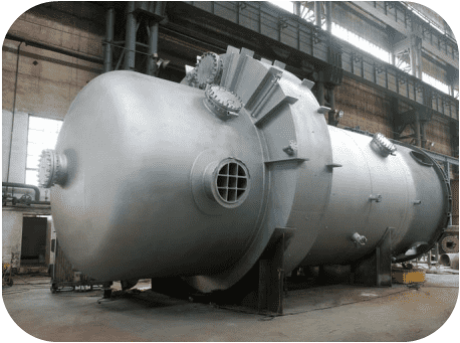
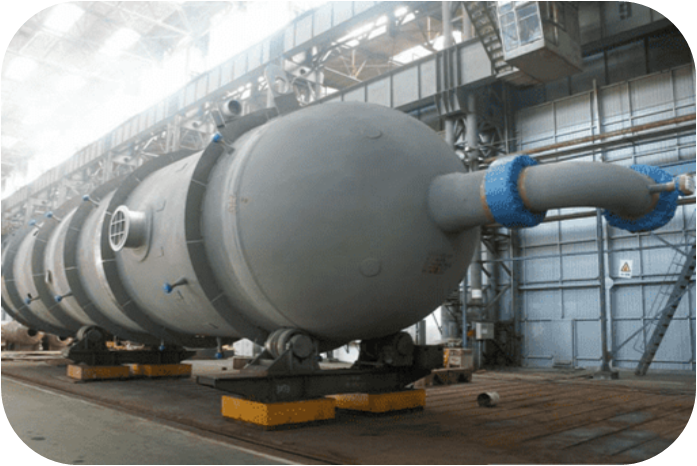
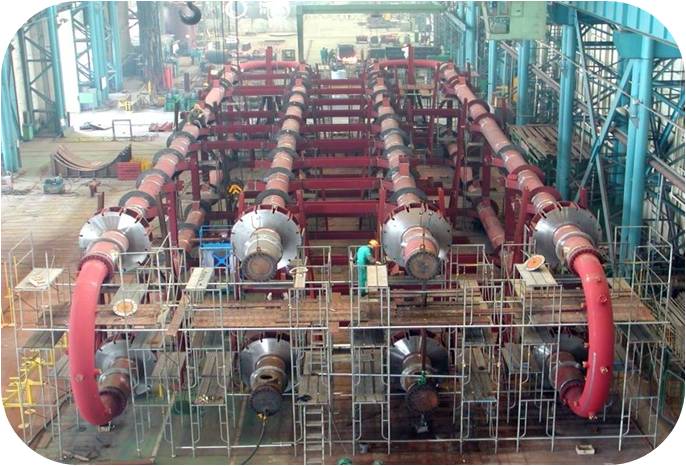
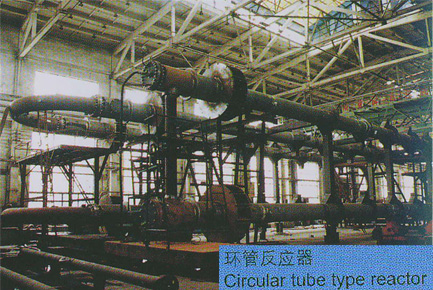
Sourcing industrial chemical reactors requires balancing precise process specifications with metallurgical integrity and stringent pressure vessel compliance. Whether you are procuring glass-lined batch reactors for pharmaceutical applications or high-pressure stainless steel continuous reactors for petrochemical processing, securing a highly capable manufacturing partner is the critical first step. A poorly constructed vessel not only disrupts production but poses severe safety and regulatory risks.
Defining Core Reactor Specifications
When approaching a factory for custom or standard reactor vessels, your RFQ must clearly define the operating environment to ensure the manufacturer selects the correct wall thickness, seal types, and thermal transfer mechanisms.
Key variables to specify include:
- Material of Construction (MOC): SS304 is sufficient for basic chemical processing, while SS316L is standard for pharmaceuticals. Corrosive environments may require Hastelloy, Titanium, or high-grade PTFE/glass linings.
- Agitation and Mixing: Specify the viscosity of your product to determine the motor power and impeller type (anchor, paddle, turbine, or ribbon).
- Thermal Control: Decide between conventional external jackets, half-pipe coil jackets for higher pressure steam, or internal coils for rapid heat transfer.
Need help matching your process requirements to the right manufacturing capabilities?
Discuss your specificationsManufacturing Tolerances and Quality Control
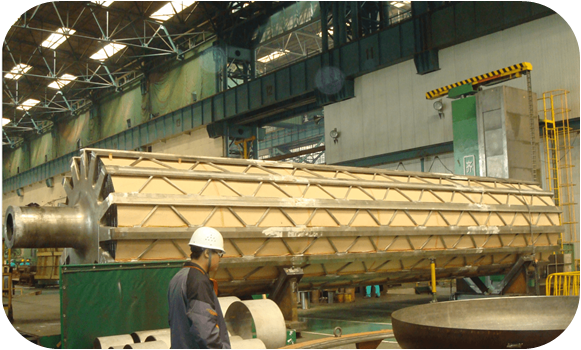
The reliability of a reactor is won or lost in the welding and polishing stages. Factories must demonstrate strict adherence to international pressure vessel codes (such as ASME U-stamp or European PED). Verifying these capabilities often requires comprehensive factory audits before placing an order.
Critical Defect Areas to Monitor
Factory Inspection Focus Areas
- Weld Integrity: Mandate 100% radiographic (X-ray) or ultrasonic testing on all load-bearing and pressure-retaining welds.
- Surface Finish: Pharmaceutical reactors require mechanical or electropolishing to Ra under 0.4 micrometers to prevent cross-contamination.
- Seal Performance: Verify runout tolerances on the agitator shaft to ensure mechanical seals do not prematurely fail under pressure.
- Jacket Pressure Testing: Hydrostatic testing of both the inner vessel and the heating/cooling jacket at 1.25 to 1.5 times the design pressure.
Implementing rigorous quality control protocols, including in-line inspections during the welding phase and a final Factory Acceptance Test (FAT) prior to shipment, is non-negotiable for equipment of this scale.
Sourcing Mechanics: Pricing, MOQs, and Lead Times
Unlike consumer goods, industrial reactors are typically project-based. The Minimum Order Quantity (MOQ) is generally one unit, though bulk pricing applies when outfitting an entire production line or standardizing equipment across multiple facilities.
Lead times vary significantly based on customization and material availability. A standard 1,000L SS304 jacketed reactor might take 30 to 45 days, while a highly customized 10,000L Hastelloy reactor with magnetic seals and complex internal coils can take 90 to 150 days to fabricate.
| Factor | Standard Reactors | Custom/High-Spec Reactors |
|---|---|---|
| Material Sourcing | Readily available SS304/316L | Imported alloys (Hastelloy, Inconel) add weeks |
| Engineering | Pre-existing CAD/blueprints | Custom thermal and fluid dynamics modeling |
| Testing | Standard hydrostatic testing | Third-party ASME/CE certification audits |
Logistics and Shipping Challenges
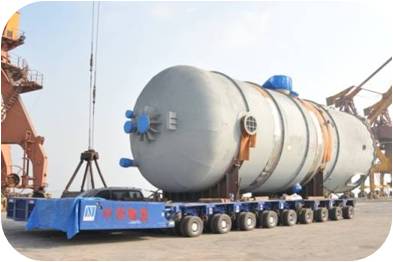
Reactors are heavy, bulky, and often classified as oversized cargo. Units exceeding standard container dimensions (over 2.3 meters in diameter) require flat rack containers or breakbulk shipping. Coordinating shipping and freight early in the procurement process is essential to avoid unexpected delays and port fees.
Planning a plant upgrade? Let our team handle the supplier vetting, FAT, and heavy-lift logistics.
Get a sourcing consultationFrequently Asked Questions
Procuring industrial reactors is a high-stakes investment where supplier capability directly impacts your operational safety and efficiency. Partnering with manufacturers who possess the necessary engineering depth, certified welding capabilities, and proven export experience ensures your equipment performs reliably under pressure.
Get Sourcing Help for Reactors
Tell us your requirements and our experts will connect you with verified manufacturers.