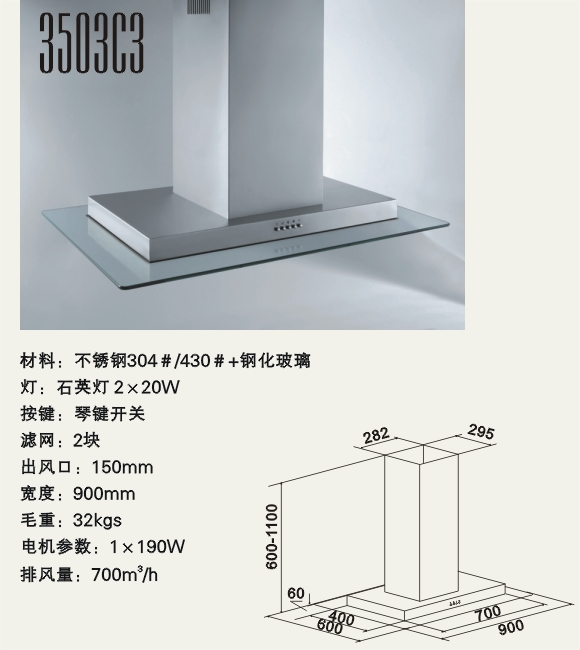
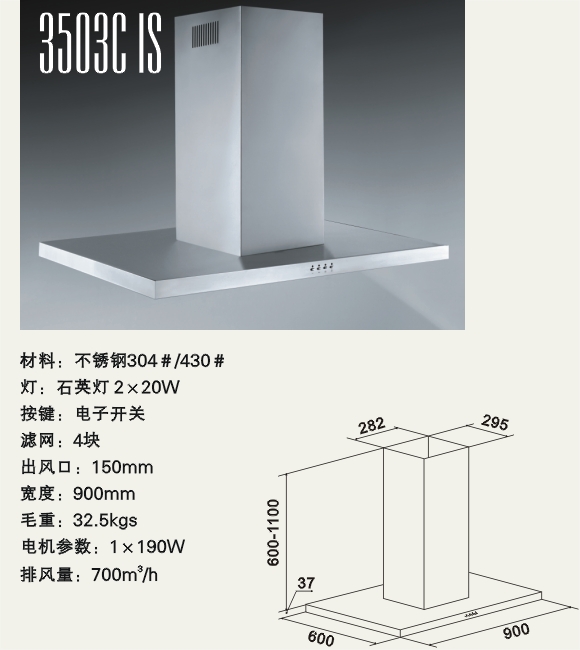
Range Hood Parts
Source premium Range Hood Parts from vetted suppliers and manufacturers across Asia's top appliance hubs. Designed for importers, wholesalers, distributors, and appliance brands requiring reliable OEM and aftermarket components in bulk, ensuring strict compliance and performance standards for your supply chain.
Sourcing range hood components at scale requires balancing airflow performance, noise reduction, and long-term electrical safety. Whether you are procuring aftermarket replacement filters or specifying custom blower assemblies for a new appliance line, securing consistent quality from overseas manufacturers dictates the lifespan of the final product.
Core Component Specifications
The reliability of a range hood relies heavily on the quality of its internal parts. When negotiating with factories, precision in your specifications prevents substitution of inferior materials.
Blower Motors and Fans
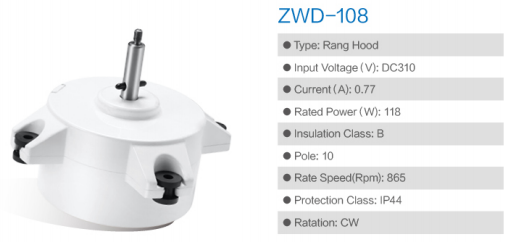
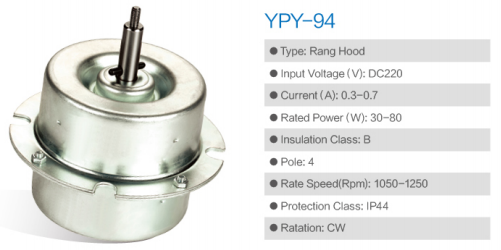
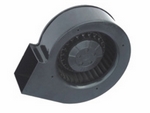
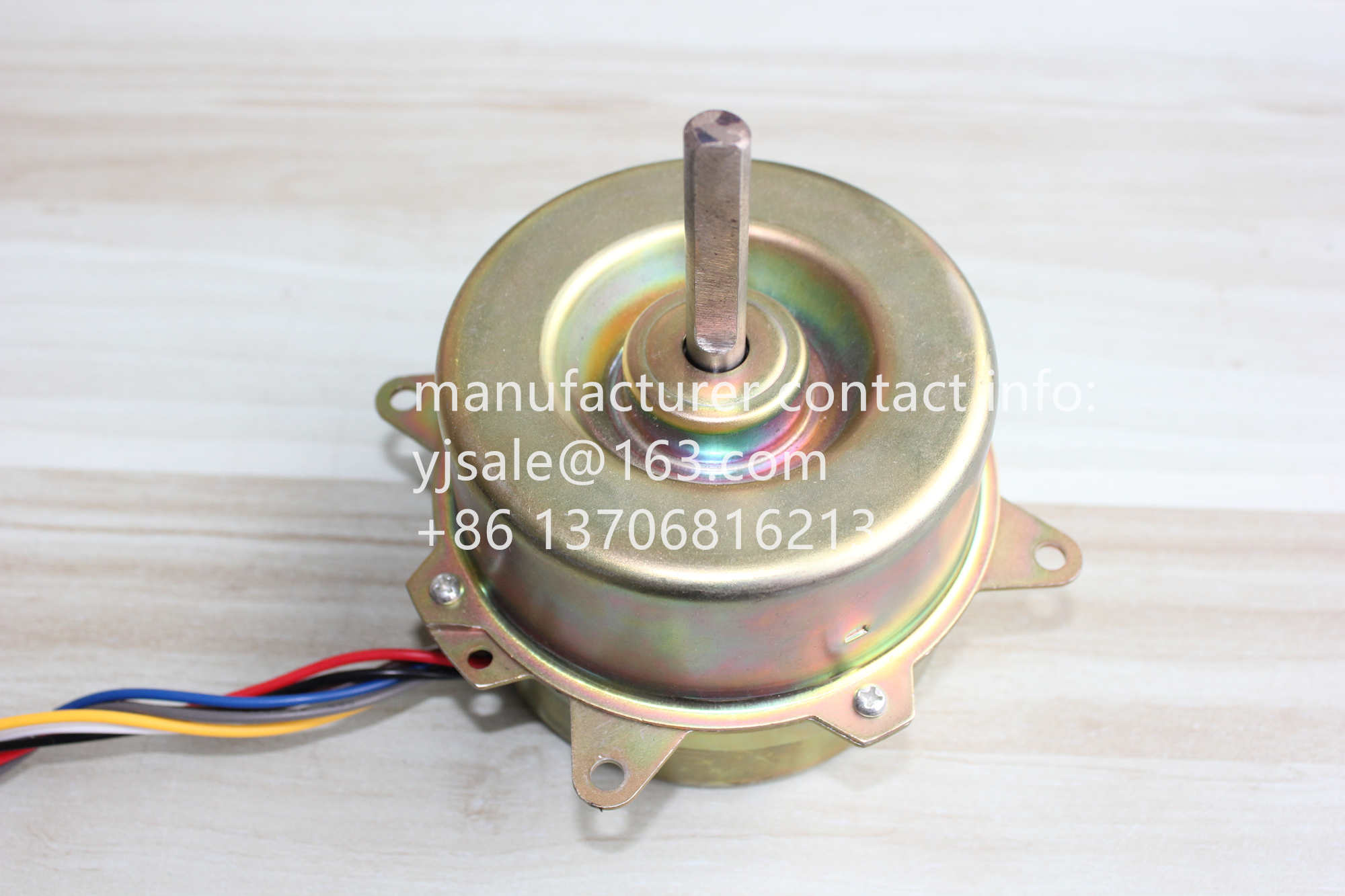
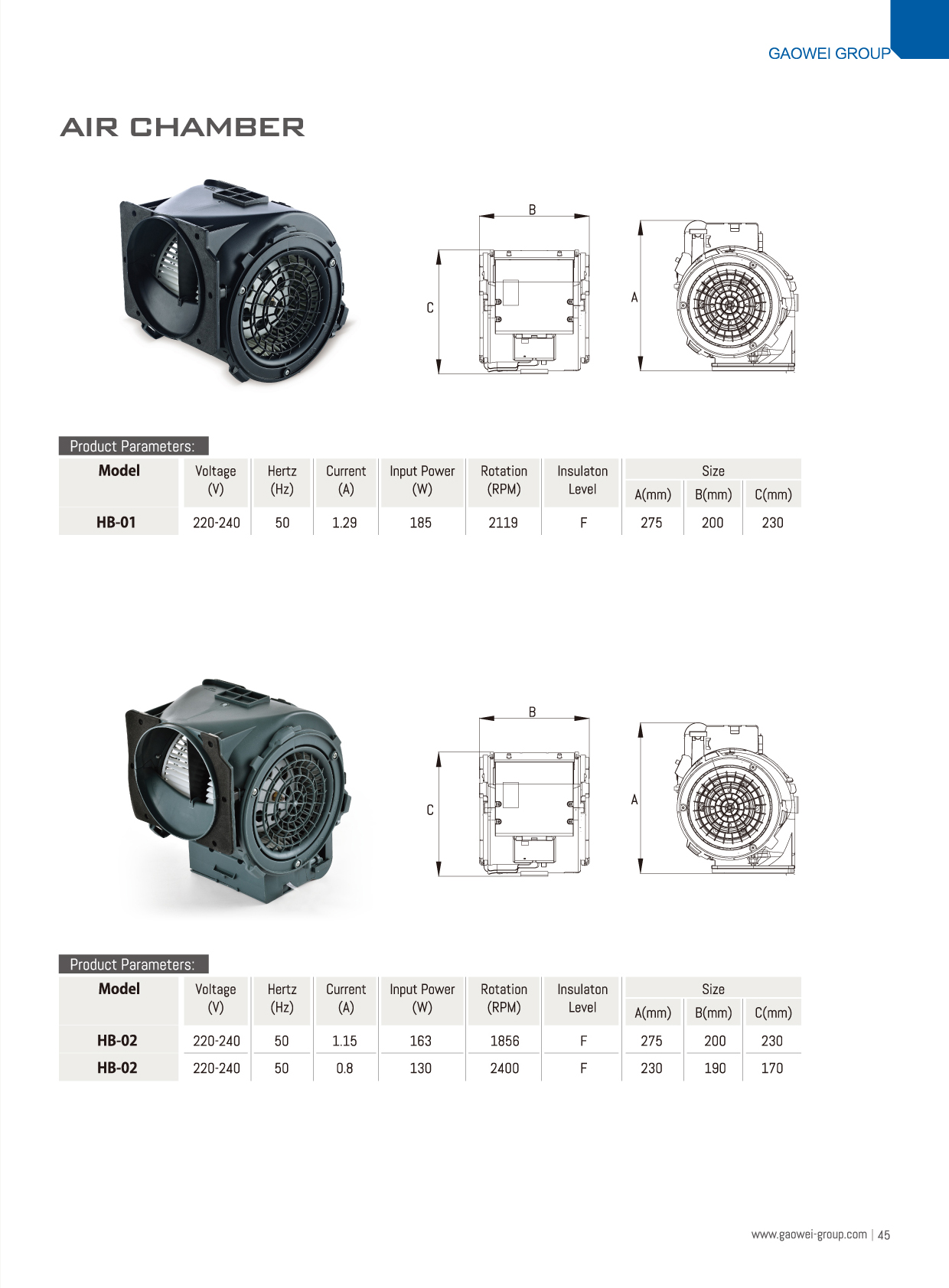
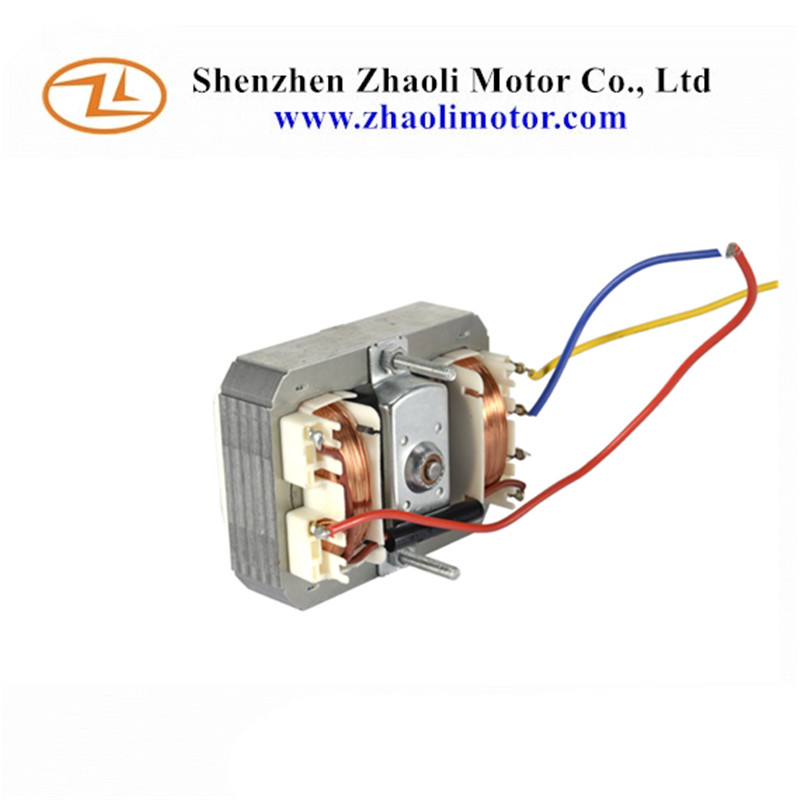
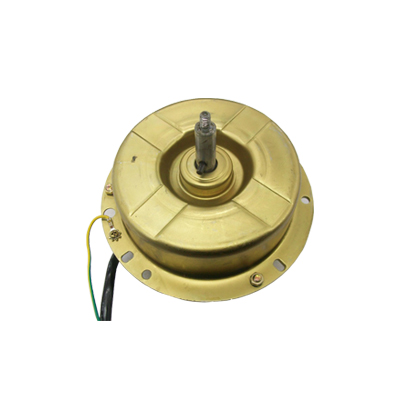
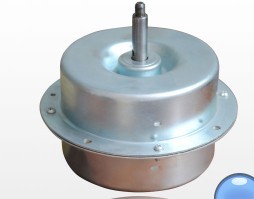
The motor and blower wheel assembly is the heart of the appliance. Performance is measured in CFM (cubic feet per minute) or cubic meters per hour, alongside noise output in decibels (dB). Standard AC motors are cost-effective, but premium models increasingly utilize BLDC (Brushless DC) motors for variable speed control and lower noise profiles. Ensure you specify 100 percent copper windings; cheaper alternatives often use CCA (copper-clad aluminum), which runs hotter and fails faster under heavy load.
| Component | Standard Specification | Premium/OEM Specification |
|---|---|---|
| Blower Motor | AC Motor, CCA winding, sleeve bearing | BLDC Motor, 100% Copper winding, dual ball bearing |
| Blower Wheel | Injection-molded ABS, static balanced | Metal or high-temp polymer, dynamically balanced |
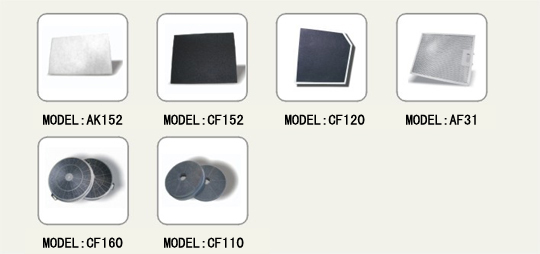
| Baffle Filters | 430 Stainless Steel, 0.5mm thickness | 304 Stainless Steel, 0.7mm to 0.9mm thickness |
Filtration and Housing Materials
Baffle and mesh filters endure high heat, grease, and frequent washing. For stainless steel parts, grade 430 is standard for budget models, offering moderate corrosion resistance. High-end residential and commercial parts demand grade 304 stainless steel to prevent rusting over time. Thickness matters: anything under 0.5mm is prone to warping during stamping or shipping.
Navigating component specs and supplier capabilities? Let our sourcing experts help you secure the right parts at the right price.
Talk to our teamManufacturing Tolerances and Quality Control
The manufacturing hubs for kitchen appliance parts are heavily concentrated in Guangdong (Zhongshan, Shunde, Foshan) and Zhejiang (Shengzhou). While these regions offer immense production capacity, quality varies wildly between assembly workshops and highly automated factories.
Vibration and noise are the most common defects in imported range hood parts. Blower wheels must undergo rigorous dynamic balancing on the factory floor. Even a slight imbalance in the fan blades will cause excessive vibration, leading to motor bearing failure and unacceptable noise levels.
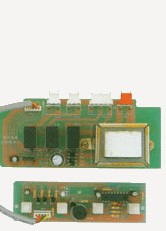
Because range hoods operate in high-humidity, high-heat environments above cooktops, control boards (PCBs) and LED drivers must be properly sealed or potted. Implementing strict quality control & inspection protocols is non-negotiable before these parts leave the factory.
Critical Factory-Level QC Checks
- Dynamic balancing reports for all blower wheels and motor assemblies.
- Hi-Pot (high potential) testing for electrical safety and insulation resistance.
- Salt spray testing on stainless steel filters and painted housings to verify corrosion resistance.
- Thermal cycling tests for PCBs and capacitive touch control panels.
Additionally, electrical components must meet destination market standards (UL/ETL for North America, CE/RoHS for Europe). Partnering with a team that understands compliance testing ensures your shipments aren't rejected at customs or flagged for safety violations.
Pricing, MOQs, and Lead Times
Procuring range hood parts in bulk involves navigating volatile raw material costs, specifically for copper (motors) and stainless steel (filters and housings).
- Minimum Order Quantities (MOQs): Standard off-the-shelf parts like baffle filters, LED puck lights, and mechanical push-button switches typically require MOQs of 500 to 1,000 pieces. If you are utilizing OEM/ODM services for custom PCB layouts or proprietary blower housings, expect MOQs to start at 2,000 pieces to amortize tooling and setup costs.
- Lead Times: Typical production lead times range from 30 to 45 days. Custom tooling for new stamped metal parts can add an additional 25 to 40 days to your initial order timeline.
- Cost Drivers: Motor pricing is directly tied to the weight of copper used and the bearing type. Filter pricing fluctuates with global steel indices. Always lock in raw material grades in your purchasing contracts to prevent quality fade.
Need to stabilize your component pricing and reduce lead times? Speak with our supply chain specialists today.
Get a free consultationFrequently Asked Questions
Successfully sourcing range hood parts requires looking past the surface finish and verifying the hidden engineering—motor windings, bearing quality, and PCB resilience. By establishing rigid specifications and maintaining a strong on-the-ground presence during production, you can build a resilient, high-margin component supply chain.
Get Sourcing Help for Range Hood Parts
Tell us your requirements and our experts will connect you with verified manufacturers.