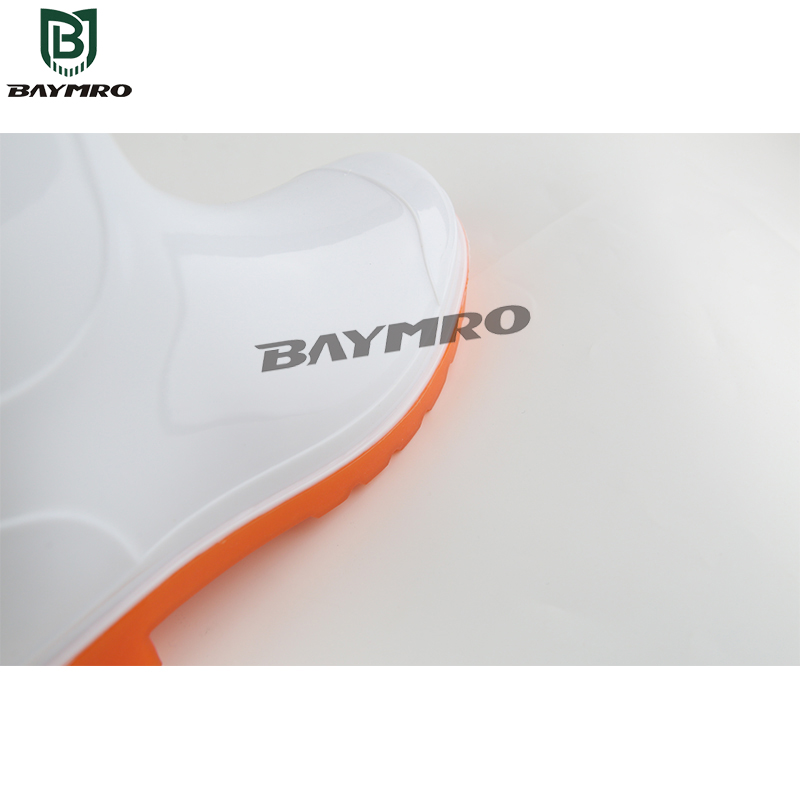
Rain Boots
Source premium Rain Boots from vetted suppliers and manufacturers across Asia. Designed for importers, wholesale distributors, and footwear brands seeking reliable OEM and private-label production. Secure competitive bulk pricing and consistent quality control for high-volume functional footwear orders.
Sourcing rain boots at scale requires navigating a fragmented supply chain where material choice dictates the entire manufacturing process. Whether you are developing heavy-duty workwear, agricultural boots, or fashion-forward weather gear, the core challenge lies in balancing material flexibility, mold costs, and stringent chemical compliance standards across different global markets.
Material Selection and Manufacturing Methods
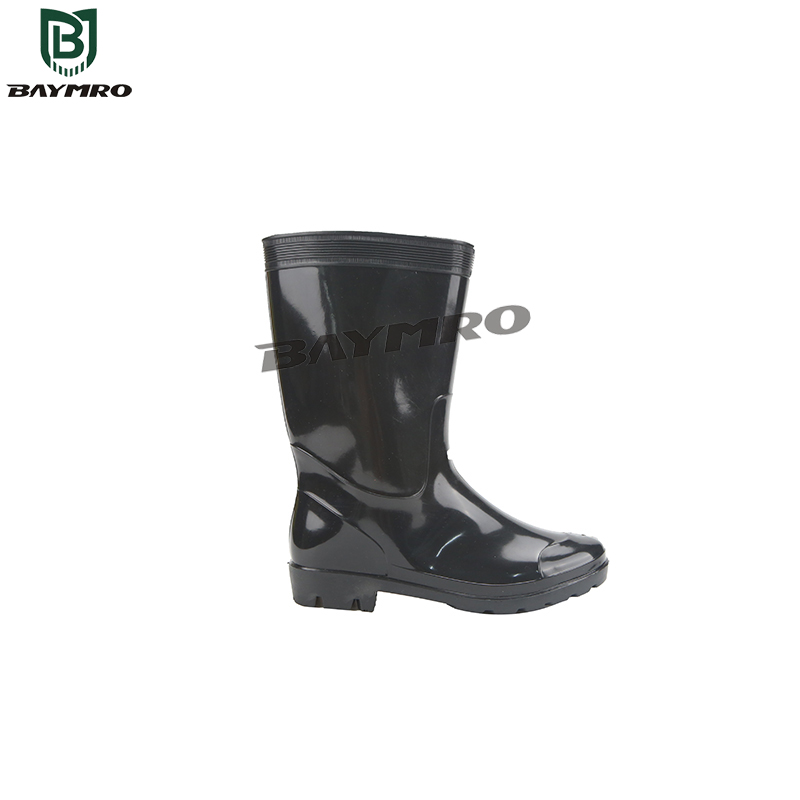
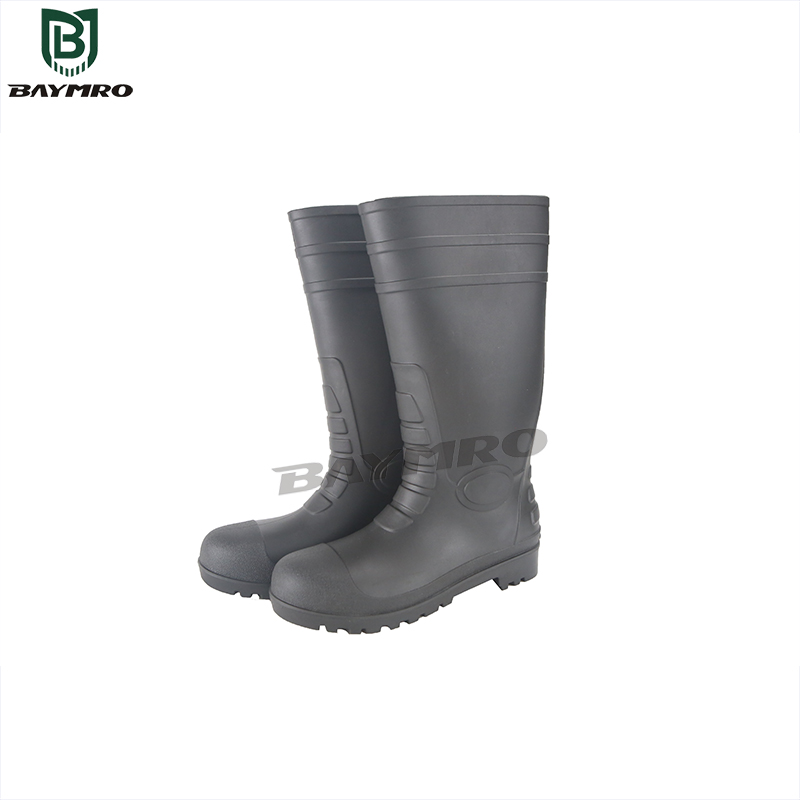
The production of waterproof footwear is divided into two primary manufacturing methods, each tied directly to the base material. Choosing between PVC and natural rubber fundamentally alters your supply chain, factory selection, and unit economics. If you are developing custom footwear through OEM/ODM Services, understanding these differences is critical before opening molds.
| Specification | Injection Molded PVC | Vulcanized Natural Rubber |
|---|---|---|
| Manufacturing Process | Automated liquid injection into closed molds | Manual layering over lasts, then heat-cured |
| Capital Investment | High upfront mold costs (aluminum/steel) | Lower mold costs, higher labor costs |
| Flexibility & Weight | Heavier, stiffens in cold weather | Highly flexible, performs well in freezing temps |
| Typical Application | Industrial, agricultural, budget fashion | Premium fashion, hunting, extreme weather |
The Vulcanization Challenge
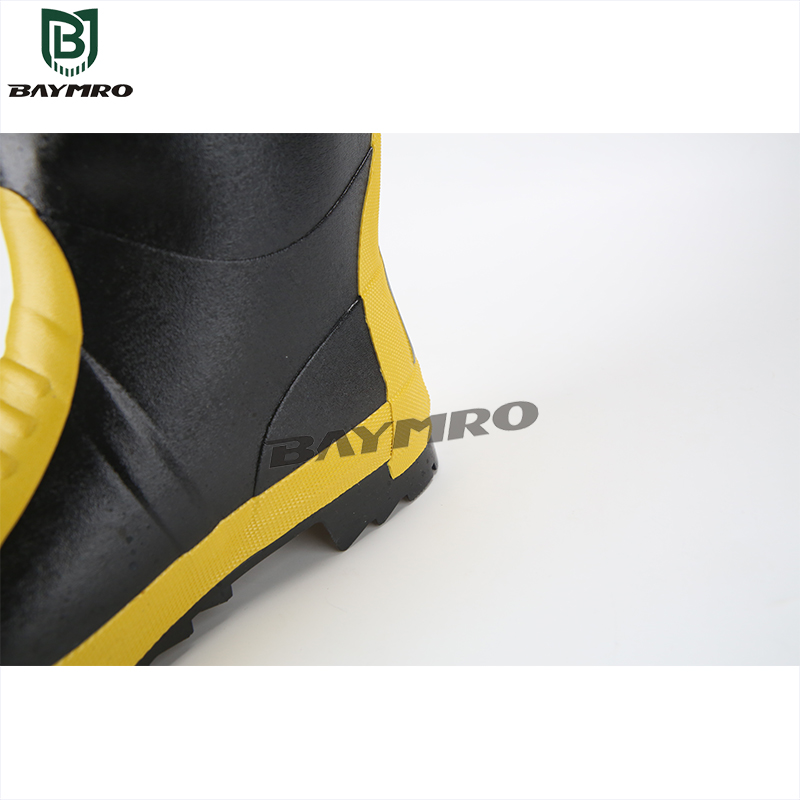
Natural rubber boots require vulcanization—a process where sulfur is added to the rubber and baked in an autoclave to create cross-links. This prevents the rubber from melting in the heat or cracking in the cold. Because rubber boots are hand-assembled piece by piece (outsole, vamp, heel counter, shaft) before baking, the risk of human error is high. Poor factory conditions or rushed curing times lead to delamination, uneven thickness, and premature cracking.
Ensure your next footwear production run utilizes the right materials and manufacturing processes for your target market.
Talk to our teamCritical Quality Control and Compliance
Rain boots are functional items; a single point of failure renders the product useless. Implementing rigorous Quality Control & Inspection protocols at the factory level is non-negotiable.
Beyond physical defects, chemical compliance is a major hurdle for importers. PVC and rubber compounds often contain plasticizers, stabilizers, and accelerators. For the European market, boots must pass strict REACH regulations, while the US requires compliance with Prop 65 regarding phthalates and lead. Partnering with suppliers who understand these requirements—and verifying them through independent Compliance & Testing—prevents shipments from being seized at customs.
Essential QC Checks for Rain Boots
- Waterproof Integrity: Submersion testing and pneumatic leak testing on 100 percent of the production line.
- Flex Resistance: Bally flex testing (often up to 100,000 cycles) to ensure the upper does not crack under repeated bending.
- Outsole Abrasion & Slip Resistance: DIN abrasion testing and measuring coefficient of friction (CoF) for safety standards.
- Material Thickness: Caliper checks at critical stress points (vamp fold, heel joint) to ensure consistency.
- Visual Inspection for Blooming: Checking for sulfur or wax migrating to the surface of rubber boots, causing a white, powdery residue.
Pricing Drivers, MOQs, and Lead Times
Footwear manufacturing is highly volume-dependent. Your unit cost is heavily influenced by the cost of raw materials (which fluctuate with global commodities) and the efficiency of the factory's production lines. Conducting thorough Factory Audits helps verify a supplier's true production capacity and their ability to handle your required volumes without subcontracting.
Mold costs are the largest barrier to entry for custom designs. A new PVC injection mold can cost several thousand dollars per size, meaning a full size run requires a significant upfront investment. Rubber molds are generally cheaper because they only require lasts (the foot form) and cutting dies, making rubber a better choice for brands launching multiple sizes with lower initial capital.
Need to negotiate mold costs, MOQs, and production schedules with reliable footwear factories? Let us manage the process.
Get a free consultationFrequently Asked Questions
Executing a successful rain boot sourcing program requires deep technical knowledge of polymer chemistry, mold engineering, and factory-floor realities. By establishing precise material specifications and robust inline inspections, buyers can secure reliable, high-performance footwear that meets international standards.
Get Sourcing Help for Rain Boots
Tell us your requirements and our experts will connect you with verified manufacturers.