Radio & TV Broadcasting Equipment
Source high-performance Radio & TV Broadcasting Equipment from vetted manufacturers and suppliers across Asia. Designed for importers, distributors, and brands seeking reliable OEM/ODM production, our catalog covers professional-grade transmission, encoding, and headend systems built for global compliance.
Sourcing professional-grade broadcasting equipment requires strict adherence to regional RF regulations and digital modulation standards. Whether you are outfitting local television stations, upgrading DTV headend systems, or distributing FM/TV transmitters, securing reliable hardware from Asian manufacturers hinges on rigorous component selection, thermal management, and RF shielding.
Core Technical Specifications to Define
Broadcasting hardware is unforgiving; a slight deviation in signal clarity or a failure in thermal dissipation can take a station off the air. When specifying requirements with manufacturers, you must clearly define parameters for both digital headend processing and RF transmission.
Digital Headend & Encoding
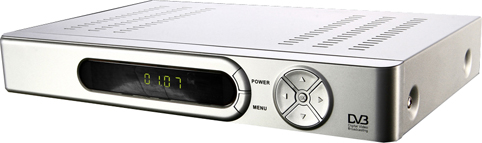
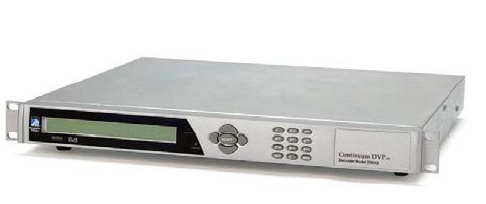
For encoders, decoders (IRDs), and multiplexers, processing power and format compatibility drive the cost.
| Encoding Standard | Bandwidth Efficiency | Typical Application |
|---|---|---|
| MPEG-2 | Low (High bitrate needed) | Legacy systems, standard definition |
| H.264 (MPEG-4 AVC) | Standard (50% better than MPEG-2) | Mainstream DTV, HD broadcasting |
| H.265 (HEVC) | High (50% better than H.264) | 4K/UHD streaming, advanced DVB-T2 |
RF Transmission & Modulation
Transmitters and modulators require precise signal metrics. Ensure your supplier's spec sheets guarantee the following minimums:
Critical Transmitter Specifications
- Modulation Error Ratio (MER): Must exceed 40 dB for high-quality digital transmission.
- Signal-to-Noise Ratio (SNR): Ensure a high SNR to prevent artifacting at the receiver end.
- VSWR Protection: The transmitter must automatically step down power if the Voltage Standing Wave Ratio exceeds safe limits to protect the amplifier.
- Frequency Agility: Support for seamless switching across VHF/UHF bands or specific FM ranges (e.g., 87.5 to 108 MHz).
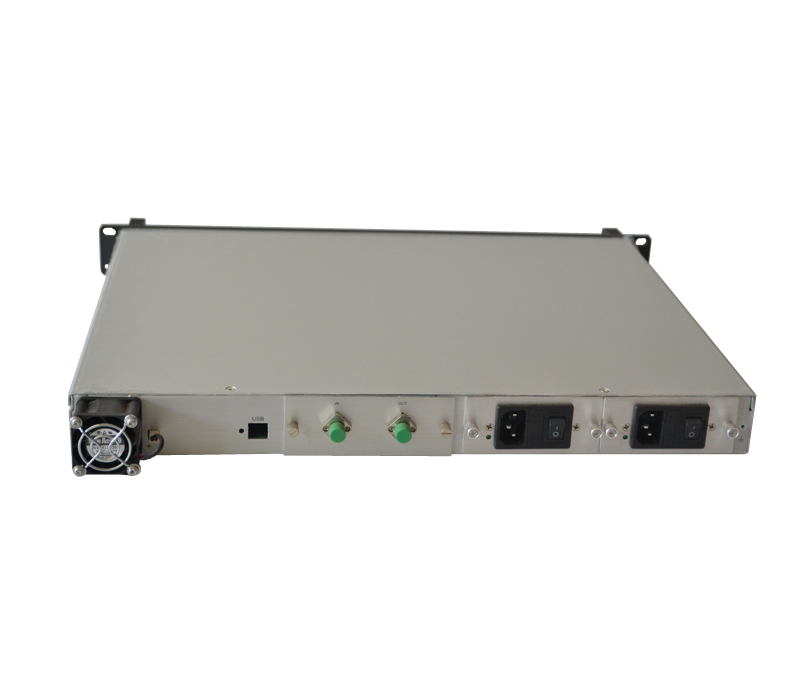
- Redundancy: Dual hot-swappable power supplies for mission-critical continuous operation.
Navigating complex RF regulations and factory capabilities? Let us help you identify the right manufacturing partners for your broadcast systems.
Talk to our teamManufacturing Quality & Factory Verification
The primary hubs for broadcast equipment manufacturing are Shenzhen, Chengdu, and Hangzhou. However, the gap between a factory that builds consumer electronics and one that builds professional RF equipment is vast.
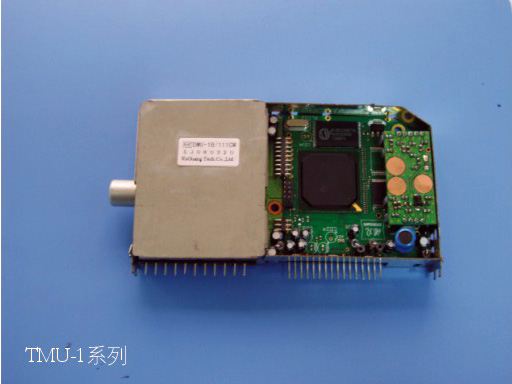
Professional broadcast equipment relies heavily on high-grade LDMOS transistors for amplification and FPGAs for signal processing. During production, quality is won or lost in the calibration phase. Factories must utilize advanced vector network analyzers and spectrum analyzers to tune the equipment.
To mitigate risk, comprehensive factory audits are essential. You need to verify that the supplier has dedicated RF testing chambers and conducts prolonged burn-in tests.
SMT and PCB Assembly
Verification of high-precision surface mount technology, specifically for multi-layer PCBs that handle high frequencies without cross-talk.
RF Shielding
Inspection of physical chassis design to ensure individual modules (power, processing, RF output) are isolated to prevent electromagnetic interference (EMI).
Burn-In Testing
Equipment must be run at maximum output power into a dummy load for 48 to 72 hours in a high-temperature environment to identify early component failure.
Implementing strict quality control protocols before shipment ensures that the units meet your exact MER and output power specifications before they leave the factory floor.
Production Realities: MOQ, Lead Times, and Pricing
Because broadcast equipment is highly specialized and often built-to-order, MOQs are significantly lower than standard consumer electronics, but unit costs and lead times are higher.
Customization and Branding
Many importers require custom Network Management System (NMS) software and branded web GUIs to match their corporate identity. Utilizing OEM/ODM services allows you to white-label both the physical chassis and the software interface, providing a cohesive product line for your end-users.
Need to lock in reliable pricing and production schedules for your next equipment rollout? Connect with our sourcing experts.
Get a free consultationFrequently Asked Questions
Sourcing radio and TV broadcasting equipment is an exercise in risk management. The upfront cost of a transmitter or headend multiplexer is secondary to its long-term reliability and compliance with local RF laws. Partnering with a team that understands the technical nuances of RF manufacturing ensures you receive hardware that performs exactly as specified, right out of the box.
Get Sourcing Help for Radio & TV Broadcasting Equipment
Tell us your requirements and our experts will connect you with verified manufacturers.