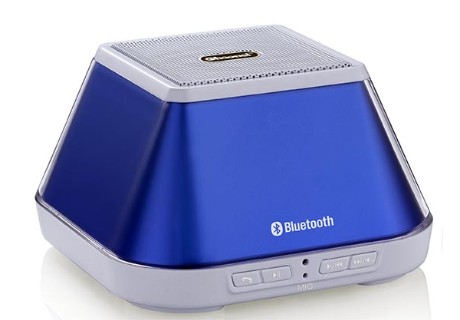
Radio Sets
Source high-quality Radio Sets from vetted manufacturers and wholesale suppliers across Asia. Designed for importers, distributors, and brands seeking reliable OEM or private-label production, our network delivers scalable manufacturing solutions. Compare factory-direct options optimized for your volume and technical requirements.
Sourcing bulk radio sets requires navigating a highly fragmented manufacturing base, primarily clustered in Guangdong province, China. The challenge isn't simply finding a supplier; it is identifying a manufacturing partner with the engineering capability to deliver stable RF performance, reliable power management, and consistent build quality at scale. Whether you are importing emergency weather radios, portable multiband units, or premium desktop receivers, success depends on tight control over component selection and assembly standards.
Core Architecture and Component Selection
The performance of any radio set comes down to its internal architecture and the quality of its components. Buyers must specify their requirements clearly to avoid silent downgrades on the factory floor.
DSP vs. Analog Processing
The shift from traditional superheterodyne analog circuits to Digital Signal Processing (DSP) chips has transformed radio manufacturing. DSP chips (often from Silicon Labs or generic equivalents) reduce component count, lower assembly costs, and improve tuning accuracy. However, premium analog designs are still preferred by niche audiophile and shortwave enthusiast markets.
| Specification | DSP Architecture | Traditional Analog |
|---|---|---|
| Component Count | Low (Integrated IC) | High (Coils, capacitors, IF filters) |
| Tuning Precision | Excellent (Digital lock) | Variable (Prone to drift) |
| Manufacturing Cost | Lower at scale | Higher (Requires manual alignment) |
| Selectivity | Sharp, software-defined | Dependent on physical filters |
Key Specifications to Define
When negotiating with factories, ensure your spec sheet explicitly covers:
- Frequency Bands: FM (typically 87.5-108 MHz, but specify 76-108 MHz if targeting the Japanese market), AM/MW, SW (Shortwave), and WB (Weather Band/NOAA for North America).
- Power Management: Specify battery chemistry and capacity (e.g., 2000mAh 18650 Lithium-ion), charging inputs (Type-C is now standard; avoid Micro-USB), and alternative power sources (solar panel wattage and hand-crank dynamo gear ratios).
- Speaker Output: Specify RMS wattage, impedance, and driver size. A "3W speaker" can sound drastically different depending on the magnet quality and acoustic chamber design.
Manufacturing Quality Control
Radio sets are highly susceptible to assembly errors. Poor soldering on the ferrite bar antenna, misaligned tuning dials, and cheap potentiometers (volume knobs) that introduce static are common defects.
Need to secure reliable production lines? Talk to our team about matching your product specs with the right manufacturing partner.
Discuss your sourcing requirementsTo mitigate these risks, robust Quality Control & Inspection protocols must be implemented during production, not just pre-shipment. In-line testing should verify RF sensitivity and audio distortion levels before the housing is sealed.
Critical Factory Verification Points
- Verify the factory has dedicated RF testing shielding rooms (Faraday cages).
- Check sourcing channels for critical ICs to avoid counterfeit DSP chips.
- Ensure life-cycle testing equipment is present for mechanical parts (cranks, switches, telescopic antennas).
- Review their aging room procedures for battery and power-circuit stress testing.
Relying solely on a supplier's Alibaba profile is risky. Conducting thorough Factory Audits ensures the facility actually possesses the engineering staff and testing equipment required for consistent communication product manufacturing.
Pricing, MOQs, and Production Lead Times
Unit costs for radio sets vary wildly based on the feature set, housing materials, and battery capacity. A basic promotional FM radio might cost under two dollars, while a rugged, multi-band emergency radio with a high-capacity power bank, solar panel, and DSP tuning can range from eight to twenty dollars wholesale.
If you are developing a proprietary design, leveraging professional OEM/ODM Services is crucial. This ensures that the industrial design, PCB layout, and acoustic engineering are tightly integrated.
Struggling with high MOQs or inconsistent quotes? Let us help you negotiate better terms and stabilize your supply chain.
Get a pricing consultationCompliance and Certifications
Radio receivers are subject to strict regulatory standards. For the US market, FCC Part 15 compliance is mandatory to ensure the device does not emit harmful electromagnetic interference. In Europe, the CE RED (Radio Equipment Directive) applies. Furthermore, built-in lithium batteries require UN38.3 and MSDS documentation for freight forwarding. Partnering with a team that understands Compliance & Testing prevents costly customs holds and liability issues.
Successfully sourcing radio sets requires balancing acoustic performance, RF sensitivity, and mechanical durability against your target unit cost. By defining strict component specifications and enforcing rigorous testing at the factory level, you can build a reliable product line that stands up to end-user demands.
Get Sourcing Help for Radio Sets
Tell us your requirements and our experts will connect you with verified manufacturers.