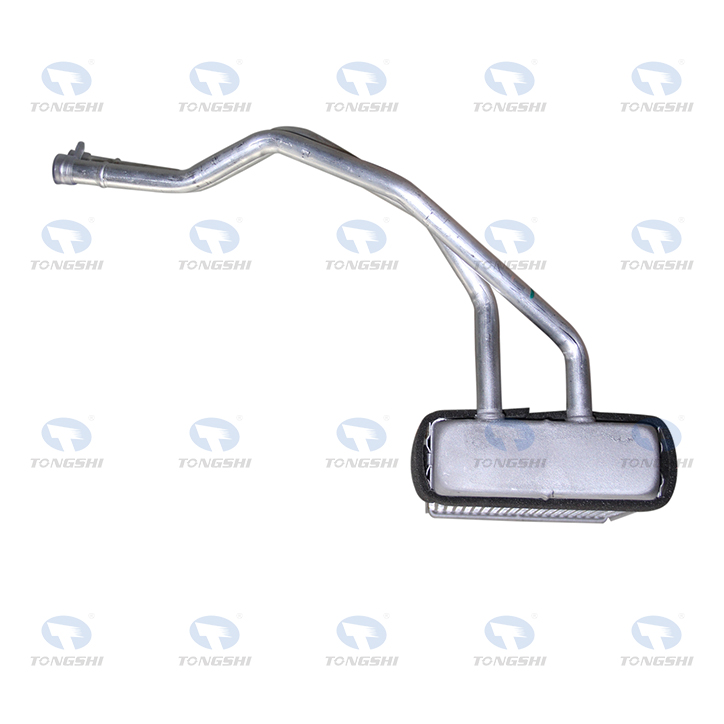
Radiators
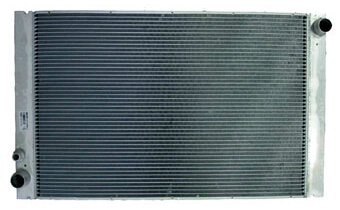
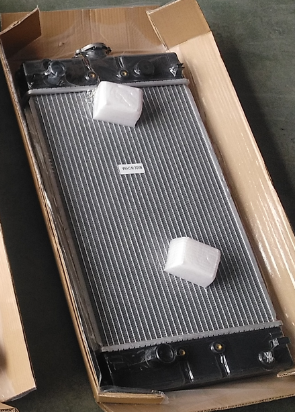
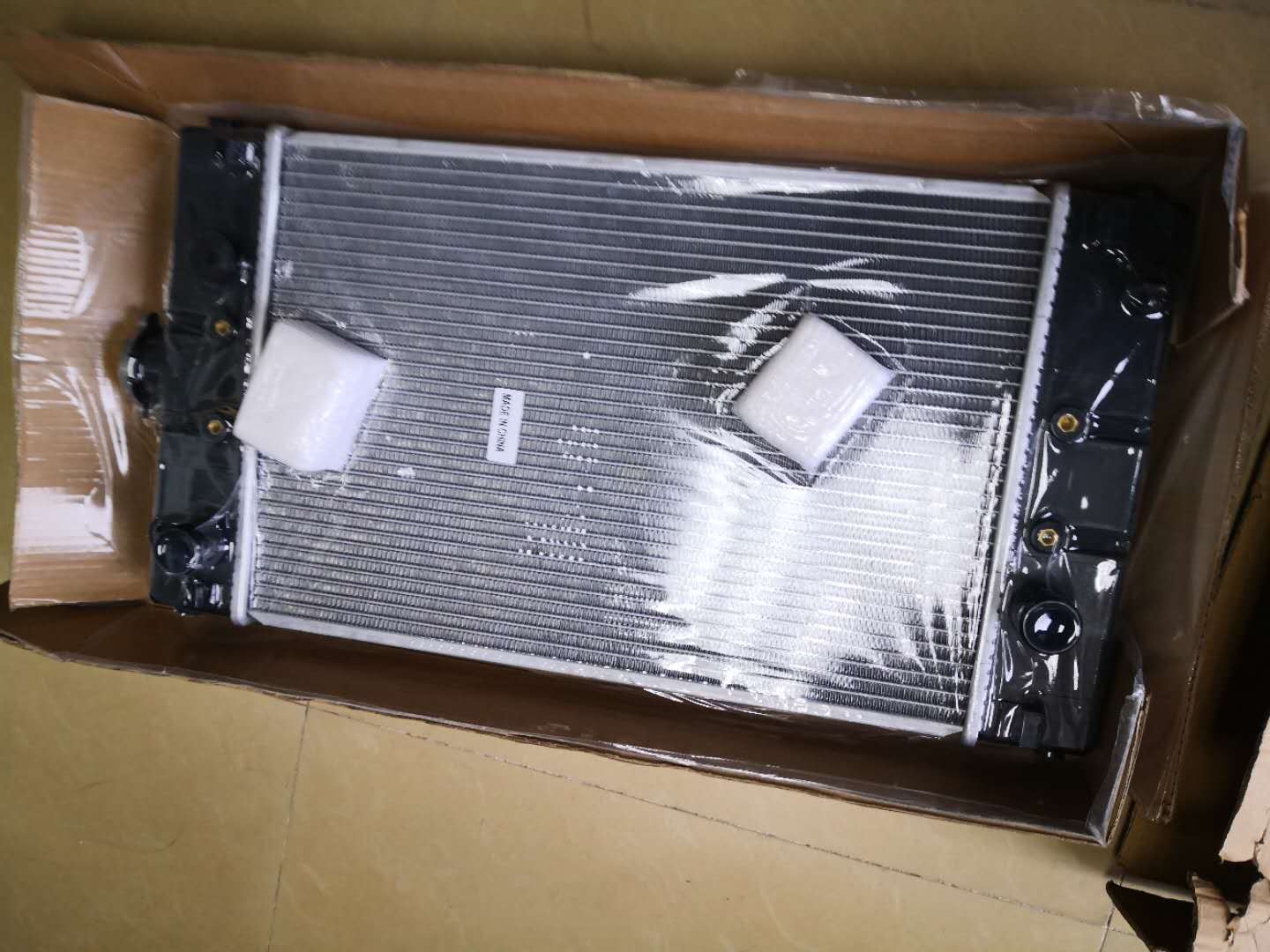
Source high-performance automotive radiators from vetted suppliers and manufacturers across Asia. Designed for importers, distributors, and brands seeking reliable OEM and aftermarket cooling systems in bulk. Secure competitive wholesale pricing and consistent quality for your supply chain.
Sourcing automotive radiators requires balancing rigorous thermal dissipation requirements with strict cost controls. Whether you are supplying the automotive aftermarket or developing custom cooling solutions for heavy-duty applications, the core challenge remains consistent: securing a manufacturing partner capable of precise brazing, flawless crimping, and reliable pressure testing at scale.
Critical Specifications for Radiator Sourcing
The performance of a radiator hinges on its core construction and tank materials. Buyers must specify exact parameters to ensure the unit meets the thermal load of the target vehicle application and withstands long-term environmental stress.
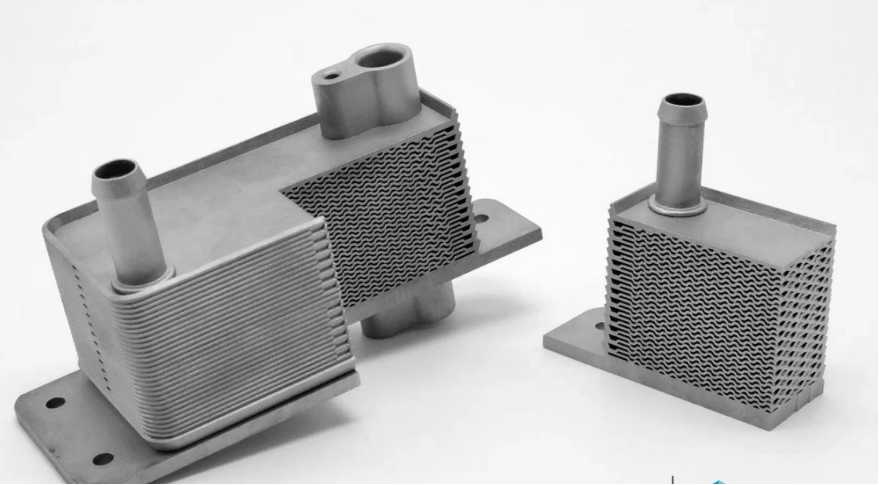
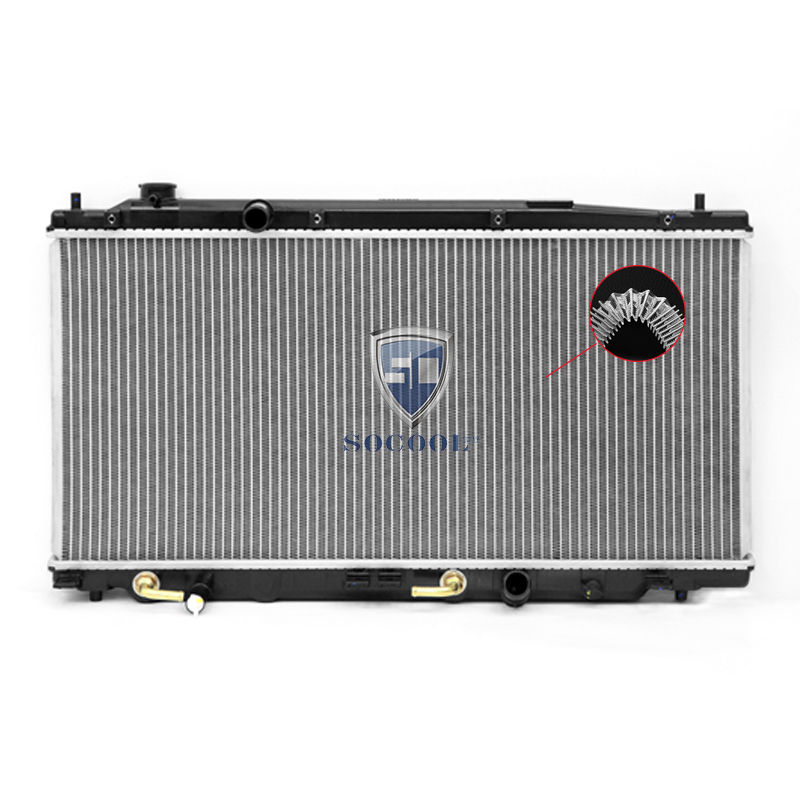
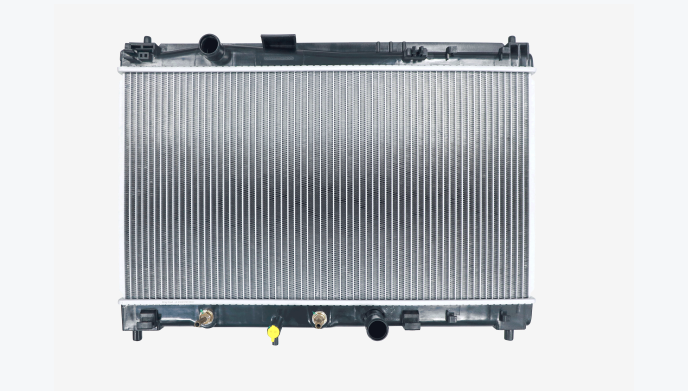
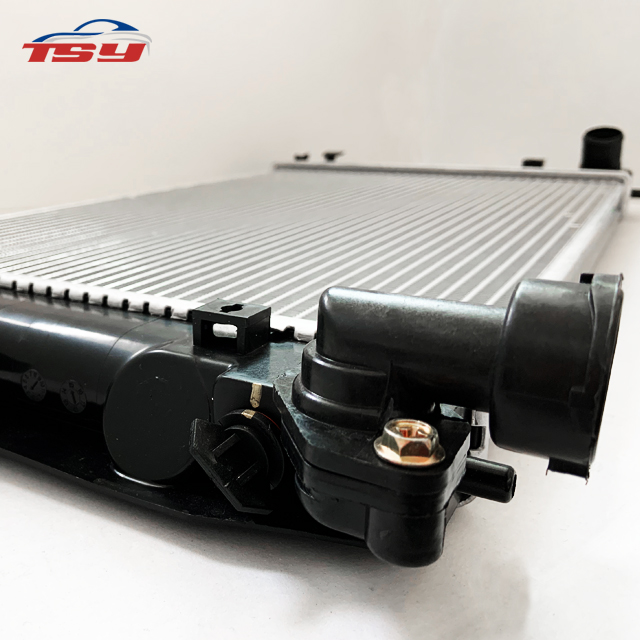
- Core Material & Construction: Modern automotive applications rely heavily on aluminum cores utilizing Controlled Atmosphere Brazing (CAB). Heavy-duty or industrial applications may still utilize copper-brass for repairability and high thermal conductivity, though aluminum dominates the passenger vehicle market.
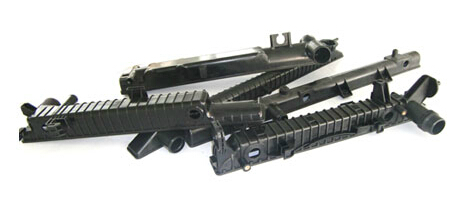
- Tank Material: For aluminum-plastic radiators, the industry standard for the tank is PA66-GF30 (Polyamide 66 reinforced with 30 percent glass fiber). Substituting lower-grade plastics (like PA6) reduces thermal stability and leads to premature cracking under high coolant temperatures and pressure cycles.
- Fin Pitch and Design: Fin density, measured in Fins Per Inch (FPI), dictates the cooling surface area. Louvered fins increase turbulence and heat transfer but require precise manufacturing to avoid restricting airflow or trapping debris.
- Core Thickness and Rows: Specify single, double, or triple-row cores based on the application. Thicker cores require tighter quality control during the brazing process to ensure uniform flux distribution and complete joint sealing across the entire depth of the core.
Manufacturing Variables and Quality Control
The lifespan of a radiator is won or lost during the brazing and crimping stages. Inconsistent temperatures in the CAB furnace result in weak tube-to-header joints, while improper crimping pressure compromises the O-ring seal between the aluminum core and the plastic tank.
Need to verify a supplier's CAB furnace capabilities? Merhein handles technical vetting and factory audits on your behalf.
Talk to our teamBefore committing to a high-volume order, it is critical to verify the supplier's in-house testing capabilities. Relying on end-of-line visual inspection is insufficient for pressurized cooling systems. Conducting thorough Factory Audits ensures the facility has the specialized equipment required to validate structural integrity.
Essential Factory-Floor Verifications
- CAB Furnace Calibration: Verify the factory maintains strict temperature profiling for aluminum brazing.
- Leak Testing Protocol: Ensure 100 percent of units undergo underwater air pressure testing or helium leak detection (typically at 1.5 to 2.0 bar).
- Burst Testing: Check for batch-level burst pressure testing (often required up to 3.0 bar or higher depending on the application).
- Vibration and Thermal Shock: Confirm the facility has equipment to simulate long-term structural fatigue and temperature cycling.
Implementing rigorous Quality Control & Inspection prior to shipment is the only way to prevent defective units from entering your supply chain and causing catastrophic engine failures for end-users.
Tooling and OEM Development
For brands expanding their aftermarket catalog or developing specialized cooling systems, OEM/ODM Services offer the ability to produce custom fitments. The primary capital expenditure in custom radiator production is the injection mold tooling for the plastic tanks. Tooling costs scale with the complexity of the tank geometry, integrated mounting brackets, and inlet/outlet configurations. Ensure your manufacturing agreement clearly defines tooling ownership, maintenance responsibilities, and guaranteed shot lifespans.
MOQs, Lead Times, and Pricing Dynamics
Radiator pricing is highly sensitive to raw material fluctuations, particularly the spot price of aluminum ingot and PA66 resin.
Suppliers often maintain extensive catalogs of existing aftermarket fitments, allowing buyers to mix multiple SKUs within a single container to meet total volume requirements. When developing new models, factor in an additional 30 to 45 days for tooling production and first-article approval.
Struggling to consolidate multiple SKUs from different manufacturers? Let Merhein manage your supplier coordination and quality control.
Get a free consultationFrequently Asked Questions
Sourcing automotive radiators at scale demands a rigorous approach to technical validation and quality assurance. A minor defect in brazing or crimping can lead to significant warranty claims and reputational damage. By partnering with experienced sourcing professionals, you can secure reliable production lines, enforce strict testing protocols, and build a resilient supply chain that delivers consistent performance.
Get Sourcing Help for Radiators
Tell us your requirements and our experts will connect you with verified manufacturers.