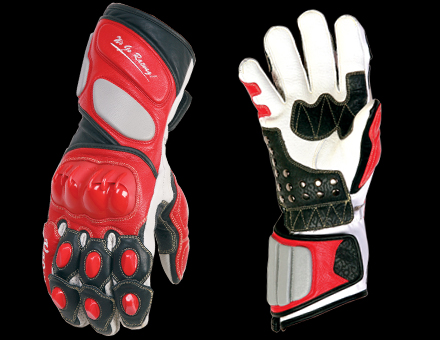
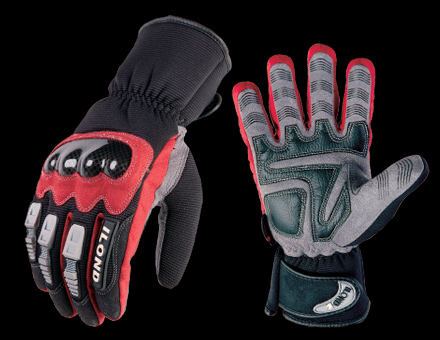
Racing Gloves
Source high-performance racing gloves from vetted manufacturers and suppliers. Designed for importers, distributors, and brands seeking OEM and private-label production, our network delivers bulk quantities that meet strict safety, durability, and ergonomic standards for motorsport and performance driving applications.
Sourcing racing gloves requires navigating a zero-fault tolerance environment. Whether intended for professional motorsport, karting, or track-day enthusiasts, these gloves must balance fire retardancy, abrasion resistance, and tactile feedback. A slight deviation in seam placement or material specification can compromise both safety certification and driver performance, making supplier selection and specification management critical.
Critical Specifications and Construction
Professional buyers must dictate precise material compositions and construction methods to the factory. Standard sports glove manufacturing techniques do not apply here; racing gloves require specialized aramid fibers (like Nomex), fire-retardant Kevlar stitching, and high-adhesion silicone printing for steering wheel grip.
A primary differentiator in the manufacturing process is the seam construction, which heavily influences both the factory's labor costs and the driver's tactile feedback.
| Construction Type | Tactile Feedback | Production Complexity | Typical Market Segment |
|---|---|---|---|
| Inseam (Internal Seams) | Standard, seams can press against fingers | Low to Medium | Entry-level, Karting, Sim Racing |
| Outseam (External Seams) | High, smooth internal feel | High (requires precise finishing) | Professional Motorsport, FIA/SFI certified |
| Hybrid (Half-Outseam) | Optimized for palm grip and finger comfort | Very High | Premium Custom/OEM Brands |
Ensure your technical specifications translate flawlessly to the factory floor.
Talk to our teamManufacturing Tolerances and Quality Control
The transition from prototype to mass production is where many private-label projects stumble. One of the most common failure points on the factory floor is the application of silicone grip zones onto aramid fabrics. If the curing temperature or pressure is incorrect, the silicone will peel under the friction of a steering wheel.
To prevent these issues, rigorous Quality Control & Inspection protocols must be established before mass production begins.
Critical Pre-Shipment Inspection Points
- Silicone Adhesion Test: Tape-peel testing on palm and finger grip prints.
- Seam Integrity: Stress testing Kevlar thread tension and SPI (stitches per inch).
- Dimensional Tolerance: Verifying finger length and palm width against grading charts.
- Pre-curve Ergonomics: Ensuring the natural resting state of the glove matches the steering grip angle.
- Homologation Tagging: Verifying correct placement and stitching of FIA or SFI certification labels.
Compliance and Certification Requirements
For auto racing (unlike karting or sim racing), fire safety is mandatory. If you are developing gloves for professional use, your products must pass strict homologation standards, such as FIA 8856-2018 or SFI 3.3/5. These standards mandate specific heat transfer index (HTI) ratings and structural integrity post-exposure to flame.
Navigating these requirements requires a factory with a proven track record of producing compliant gear. Passing these laboratory tests is non-negotiable before market entry, making Compliance & Testing integration a mandatory step in your sourcing timeline.
Production Economics: MOQs, Lead Times, and Pricing
When engaging factories for OEM/ODM Services to produce custom racing gloves, minimum order quantities (MOQs) are heavily dictated by the custom dyed aramid fabrics and the tooling required for silicone palm molds.
Pricing is driven primarily by the layers of fire-retardant material, the complexity of the pre-curved pattern, and the certification level. Entry-level karting gloves (non-fire retardant) carry significantly lower wholesale costs compared to multi-layer, outseam-stitched, FIA-homologated models.
Navigate factory negotiations and MOQ structures with an experienced sourcing partner.
Get a free consultationBuyer FAQ
Sourcing racing equipment is an exercise in risk management and precision. Partnering with the right manufacturer ensures your gloves perform under pressure, pass homologation without costly delays, and scale reliably as your brand grows.
Get Sourcing Help for Racing Gloves
Tell us your requirements and our experts will connect you with verified manufacturers.