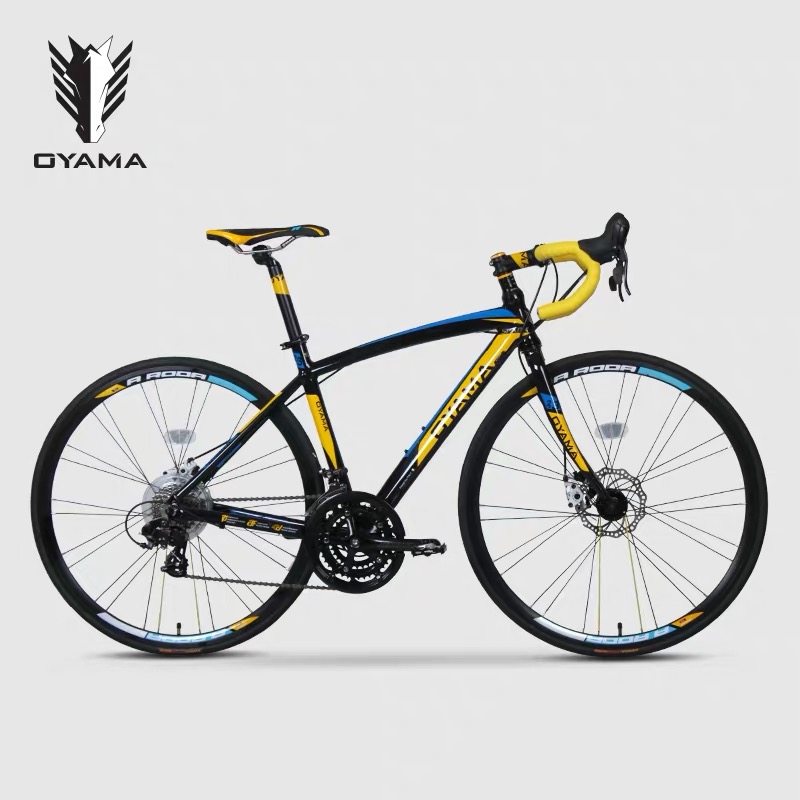
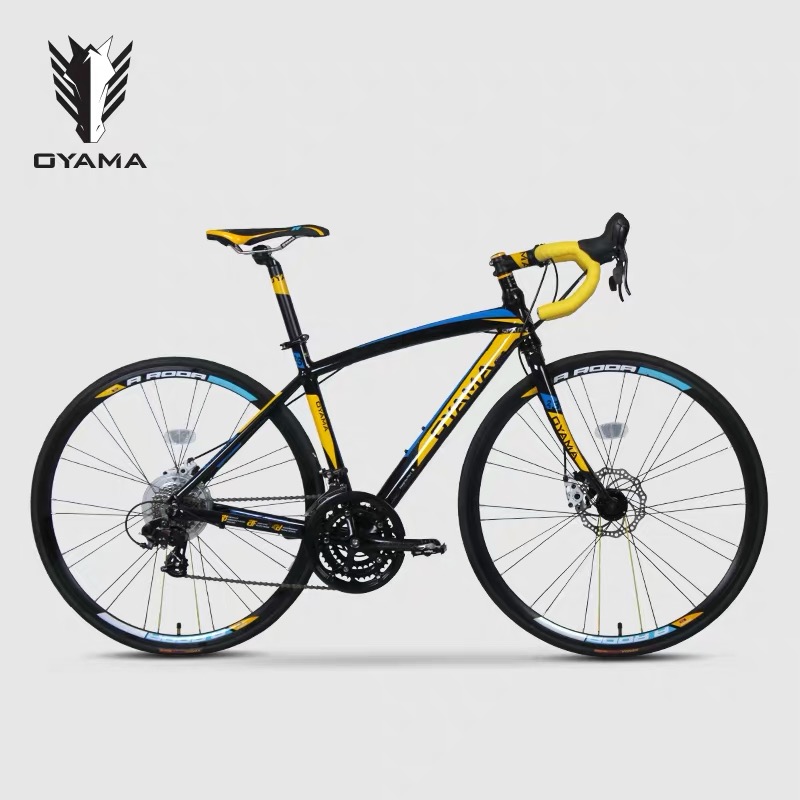
Racing Bicycle
Source high-performance racing bicycles from vetted manufacturers and wholesale suppliers across Asia. Designed for importers, distributors, and cycling brands, our network supports bulk purchasing, custom OEM/ODM frame development, and private-label assembly to meet strict international standards.
Sourcing racing bicycles at scale requires navigating a complex matrix of frame geometries, proprietary component allocations, and strict safety standards. Whether you are developing a flagship carbon aero bike or stocking entry-level alloy road bikes, the margin for error in manufacturing and assembly is zero. Success depends on partnering with factories that maintain rigorous tolerances, secure reliable component pipelines, and adhere to international safety certifications.
Frame Materials and Manufacturing Standards
The core of any racing bicycle is its frame. The choice between carbon fiber and aluminum alloy dictates not only the performance characteristics of the final product but also the complexity of the sourcing process, tooling costs, and production lead times.
| Specification | Carbon Fiber (T700/T800) | Aluminum Alloy (6061/7005) |
|---|---|---|
| Manufacturing Process | EPS molding, manual layup, resin curing | Hydroforming, double/triple butting, TIG welding |
| Tooling & Mold Costs | High (requires precise steel molds per size) | Low to Moderate (tube shaping and welding jigs) |
| Weight vs. Stiffness | Superior stiffness-to-weight ratio | Heavier, but highly durable and cost-effective |
| Typical Application | Mid-to-high-end racing, aero, and endurance | Entry-level racing, criterium, training bikes |
When sourcing carbon frames, verify that the manufacturer uses EPS (Expandable Polystyrene) molding rather than traditional latex bladders. EPS molding ensures smooth internal walls, eliminating resin pooling and stress risers that can lead to catastrophic failure under racing conditions.
Quality Control and ISO 4210 Compliance
Racing bicycles are subjected to intense dynamic loads. Compliance with ISO 4210 (Safety requirements for bicycles) is mandatory for market entry in Europe and highly recommended globally. This standard dictates strict fatigue and impact tests for the frame, fork, handlebars, and seat post.
Because safety is paramount, rigorous compliance testing must be integrated into your sourcing strategy. Do not rely solely on a supplier's past certificates, as variations in carbon layup or welding batches can alter structural integrity.
Critical Factory Verification Points
- In-house testing lab equipped with pneumatic fatigue testing rigs for frames and forks.
- Strict temperature and humidity controls in carbon layup rooms (dust-free environments).
- X-ray or ultrasound non-destructive testing (NDT) capabilities for carbon void detection.
- T4/T6 heat treatment ovens for aluminum alloy frames post-welding.
- Documented torque-specification protocols during final assembly.
To ensure a potential supplier actually possesses these capabilities rather than outsourcing them, comprehensive factory audits are essential before tooling investments are made.
Ensure your racing bicycle supply chain meets strict quality and compliance standards.
Discuss your sourcing requirementsComponent Integration and OEM/ODM Development
A racing bicycle is only as good as its groupset and wheelset. Developing a custom bike requires aligning frame specifications with component standards: bottom bracket shells (e.g., BSA, BB86, T47), brake mounts (flat mount disc vs. rim), and internal cable routing compatible with electronic shifting (Di2, AXS).
If you are a brand looking to launch a proprietary design, leveraging OEM/ODM services allows you to either open a private mold (exclusive geometry and aerodynamics) or utilize an "open mold" (a factory-owned design that you can brand and customize with your own paint and component spec). Open molds significantly reduce upfront R&D costs and time to market, though they sacrifice exclusivity.
Buying Mechanics: MOQs, Lead Times, and Pricing
The bicycle supply chain is notoriously cyclical and heavily dependent on component giants like Shimano and SRAM. Lead times for complete bicycles are often dictated not by the frame manufacturer, but by the availability of drivetrains.
Managing Component Allocation
If you are ordering complete bikes, you must forecast accurately. Many factories require you to place orders for groupsets months in advance of frame production. Alternatively, some importers choose to source framesets (frame, fork, seatpost) and handle assembly domestically, which lowers import duties in certain jurisdictions and bypasses Asian component bottlenecks.
Streamline your procurement process and manage complex component lead times effectively.
Talk to our teamFrequently Asked Questions
Executing a successful racing bicycle sourcing strategy requires more than just finding a factory; it demands rigorous oversight of engineering tolerances, component pipelines, and final assembly protocols. By controlling quality at the source, you protect your brand's reputation in a highly demanding market.
Get Sourcing Help for Racing Bicycle
Tell us your requirements and our experts will connect you with verified manufacturers.