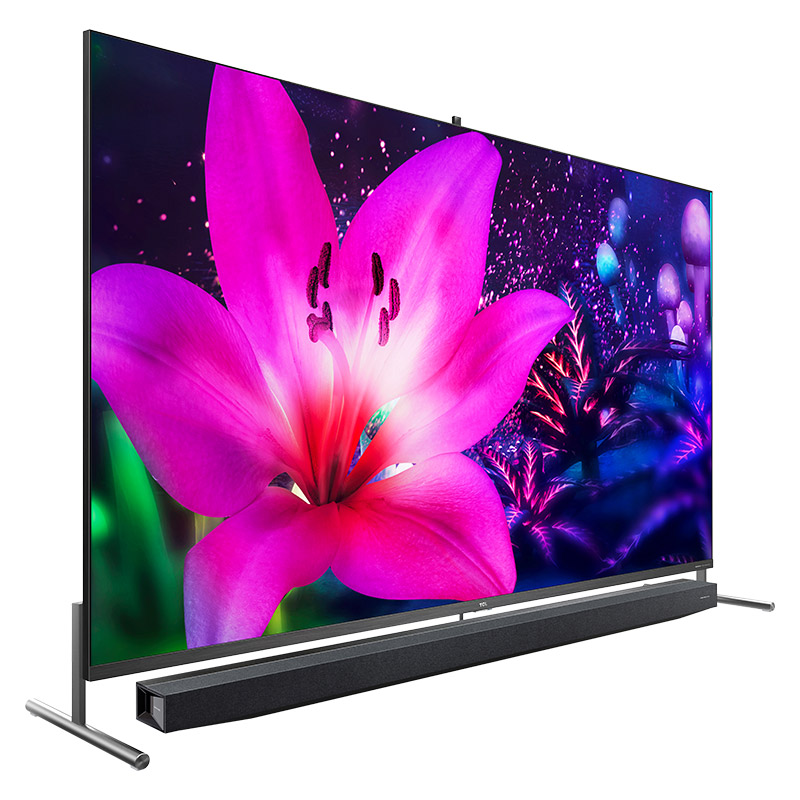
QLED TVs
Source bulk QLED TVs directly from vetted manufacturers and suppliers in Asia. Designed for importers, regional distributors, and electronics brands seeking reliable OEM and private-label production, our network delivers high-performance displays with rigorous quality standards.
Sourcing QLED televisions at scale requires balancing panel quality, smart board capabilities, and stringent licensing requirements. While the quantum dot layer significantly enhances color gamut and peak brightness compared to standard LCDs, inconsistent manufacturing can quickly erode these margins through backlight bleed, dead pixels, or smart TV OS instability. Successfully importing bulk units means controlling the bill of materials (BOM) down to the component level.
Core Component Specifications
When contracting a factory for QLED TVs, you are rarely dealing with a facility that manufactures the glass panel itself. Most TV manufacturers operate as assembly plants, purchasing "Open Cell" panels (the LCD glass without the backlight) from major fabricators like BOE, CSOT, or LG. The factory then integrates the backlight module, the Quantum Dot (QD) enhancement film, the chassis, and the mainboard.
Panel Grading and Backlight Architecture
The most critical specification in your purchasing contract is the panel grade. You must specify Grade A+ (zero dead pixels, uniform brightness) or Grade A (very minimal defect tolerance). Accepting Grade B panels to cut costs will result in high return rates.
The backlight architecture driving the panel determines both the chassis design and the effectiveness of the QLED color reproduction.
| Backlight Architecture | Cost Profile | Contrast & Local Dimming | Chassis Thickness |
|---|---|---|---|
| Edge-Lit + QD Film | Lowest | Basic frame dimming, lower peak brightness | Ultra-thin |
| Direct-Lit (DLED) + QD | Moderate | Good local dimming, higher peak brightness | Thicker profile |
| Mini-LED + QD Film | Premium | Exceptional multi-zone dimming, HDR optimized | Moderate to thin |
Smart TV Operating Systems and Mainboards
The System on Chip (SoC) and the operating system dictate the user experience. You generally have three paths for OEM production:
- AOSP (Android Open Source Project): The cheapest option. It runs Android apps but lacks official Google certification, meaning apps like Netflix may not stream in 4K or could be blocked entirely.
- Official Google TV / Android TV: Requires the factory to be a licensed partner. Higher licensing costs but mandatory for premium consumer markets.
- WebOS Hub / Roku TV Ready: Many factories now offer official WebOS or Roku integrations, providing a certified, stable smart platform without the stringent hardware requirements of Google TV.
Need help verifying a factory's official OS licensing and panel sourcing? We can audit their supply chain.
Talk to our teamManufacturing Quality and Defect Control
Assembling an Open Cell panel with a QD film and backlight module is highly sensitive to dust and static. The assembly must take place in a Class 1000 or better cleanroom. If dust particles are trapped between the diffuser, the QD film, and the LCD glass, they will appear as permanent dark spots on the finished TV. Before committing to a large order, conducting Factory Audits is highly recommended to verify the facility's cleanroom standards and automated aging lines.
Critical Pre-Shipment Inspection Points for QLEDs
- Color Gamut Verification: Ensure the display meets the specified NTSC or DCI-P3 coverage (typically over 90 percent for true QLED).
- Uniformity & Backlight Bleed: Test in a dark room with a pure black signal to check for edge bleeding.
- Aging Test: Verify that units have undergone at least a 4-to-8 hour burn-in test at the factory to catch early component failure.
- Port Functionality: Test all HDMI ports for proper EDID handshaking and HDCP compliance.
- Drop Testing: Ensure the packaging protects the fragile bezel-less designs common in modern QLEDs.
Implementing rigorous Quality Control & Inspection protocols before the container is sealed is your only defense against receiving a batch of defective screens.
Licensing and Compliance
Importing consumer electronics requires strict adherence to regional safety and intellectual property laws. Do not assume the factory holds the necessary licenses for your target market.
- HDMI Royalties: HDMI is a licensed technology. If the factory is not an HDMI Adopter, your shipment can be seized at customs.
- Audio Codecs: Dolby Audio and DTS require per-unit licensing fees. Ensure your BOM explicitly states whether the factory or the buyer is covering these royalties.
- Safety & Emissions: CE (Europe), FCC (USA), and RoHS compliance must be backed by valid, verifiable test reports from recognized third-party labs.
If you are unsure about the regulatory requirements for your specific destination, leveraging professional Compliance & Testing services can prevent costly border delays.
Pricing, MOQs, and Lead Times
Because the Open Cell panel accounts for the majority of the TV's cost, wholesale pricing fluctuates based on global glass supply.
For brands looking to customize the chassis, remote control, or boot-up logo, OEM/ODM Services generally require higher MOQs (often starting at 500 to 1,000 units) to amortize the cost of custom tooling and software flashing.
Want to lock in competitive pricing for your next QLED TV order? Let us negotiate with vetted assembly plants on your behalf.
Get a free consultationFrequently Asked Questions
Sourcing QLED TVs profitably means navigating a complex web of panel grading, cleanroom assembly standards, and software licensing. By carefully specifying every component in your BOM and verifying production quality on the factory floor, you can deliver premium display technology without the premium brand markup.
Get Sourcing Help for QLED TVs
Tell us your requirements and our experts will connect you with verified manufacturers.