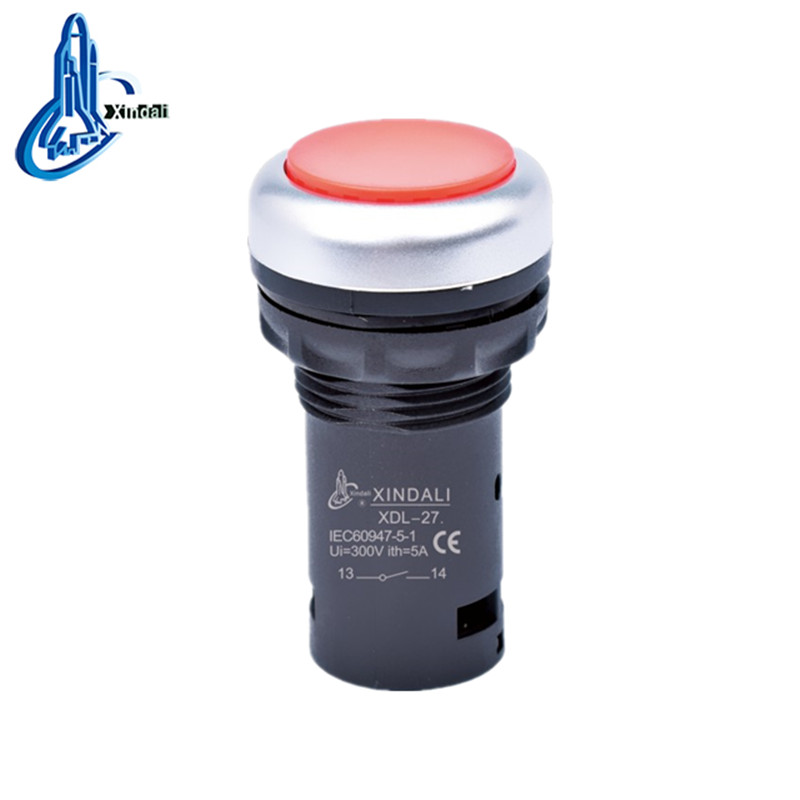
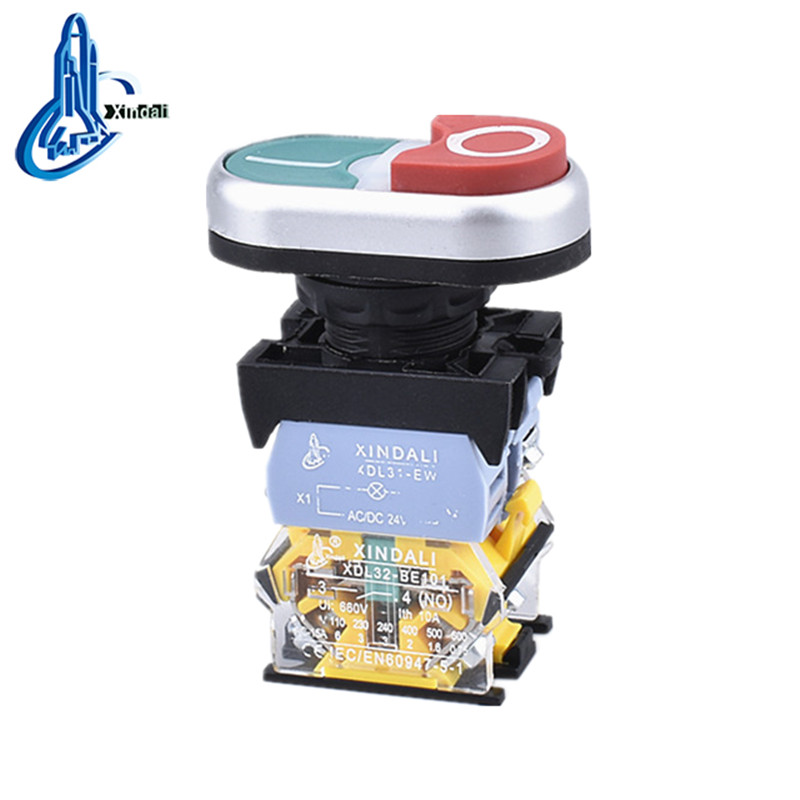
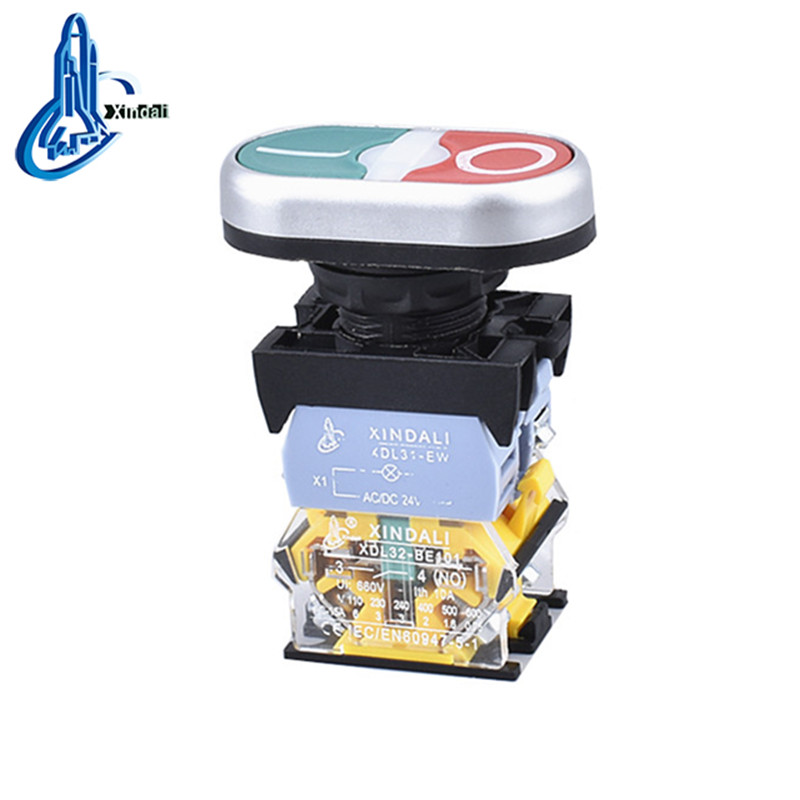
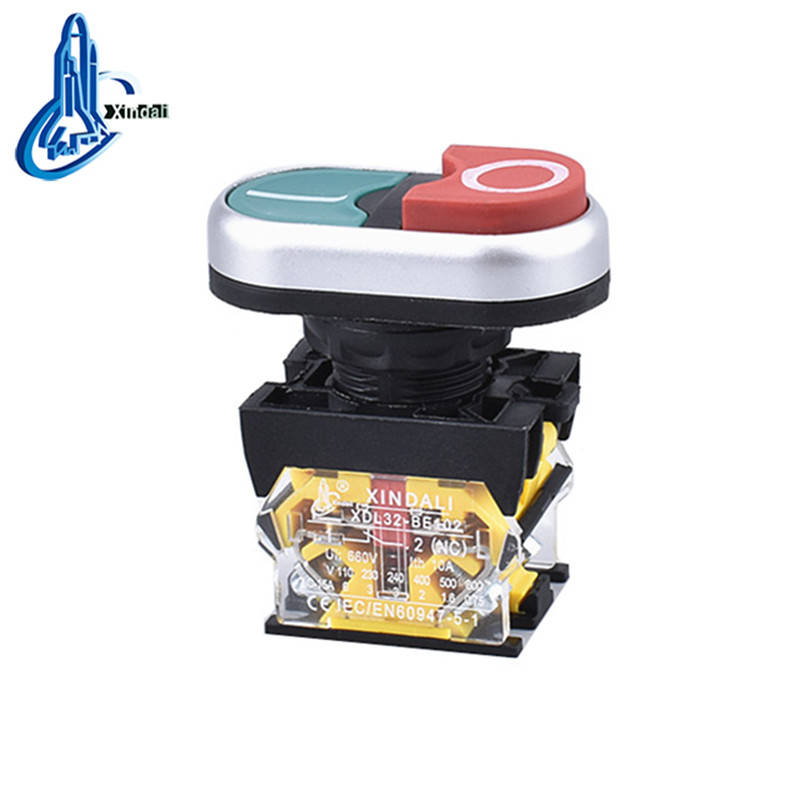
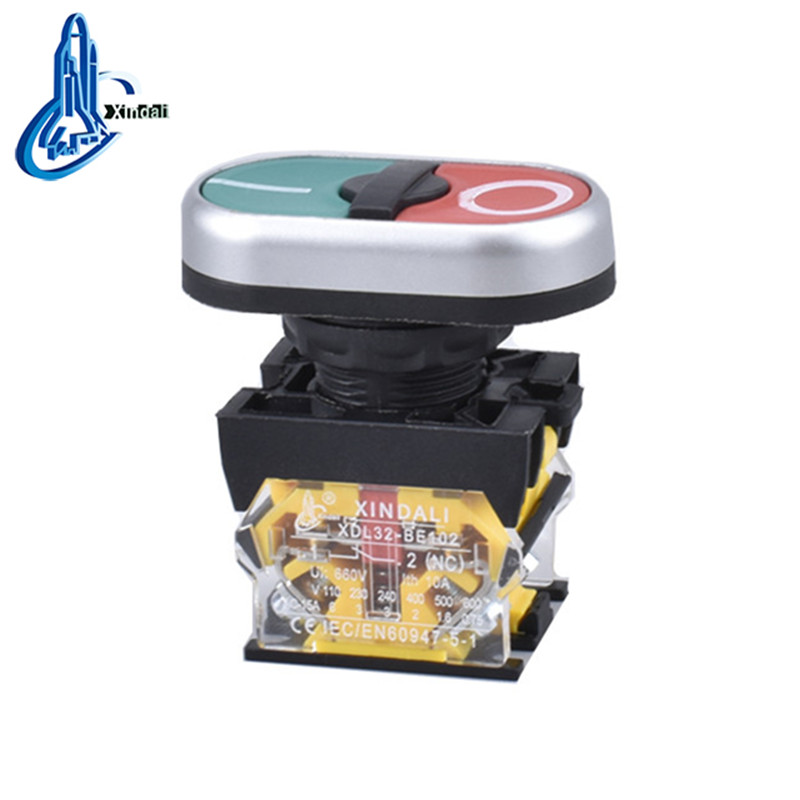
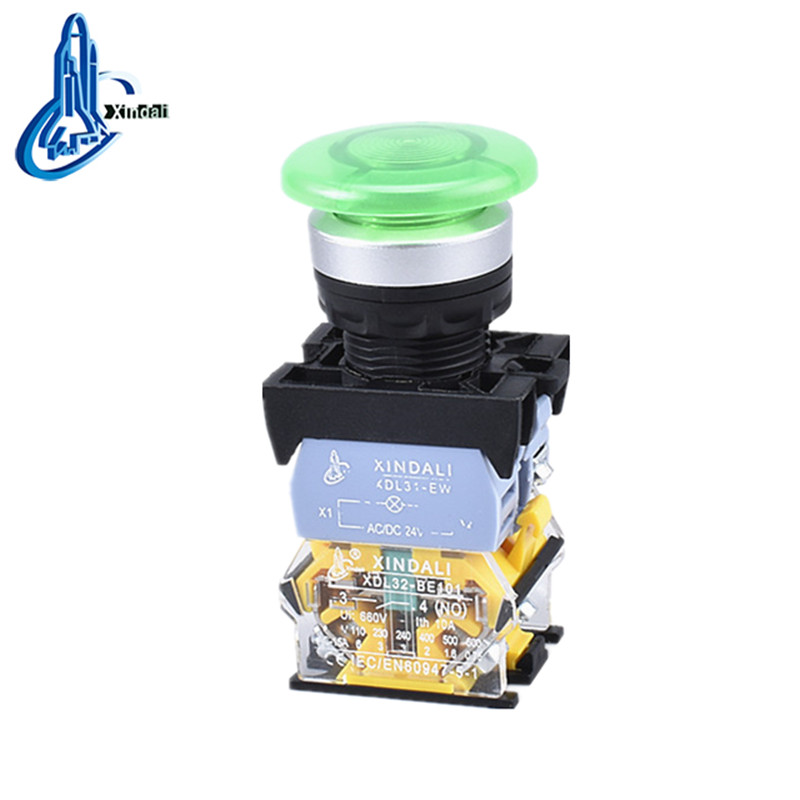
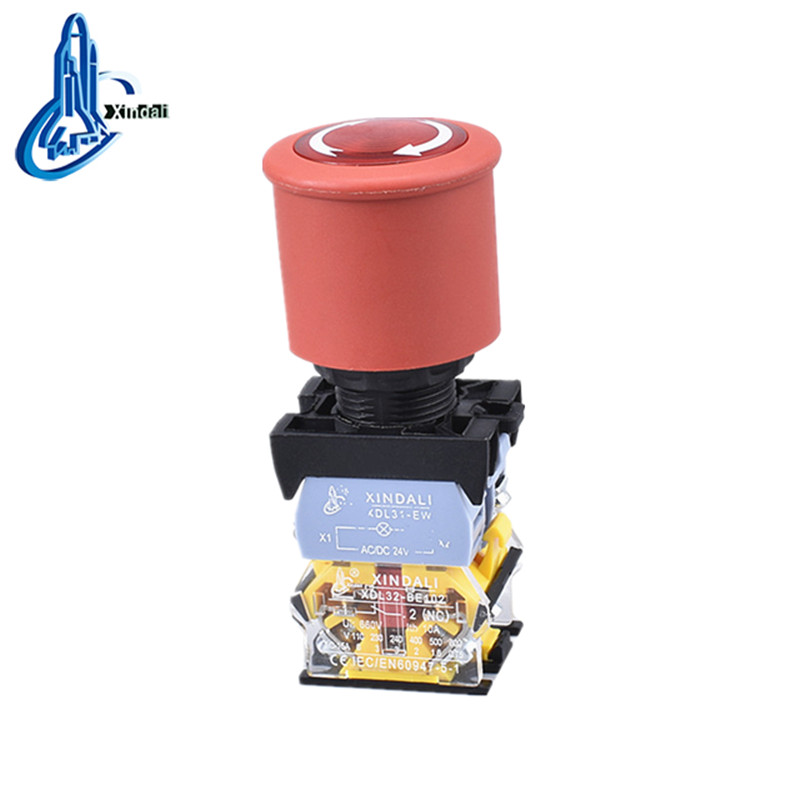
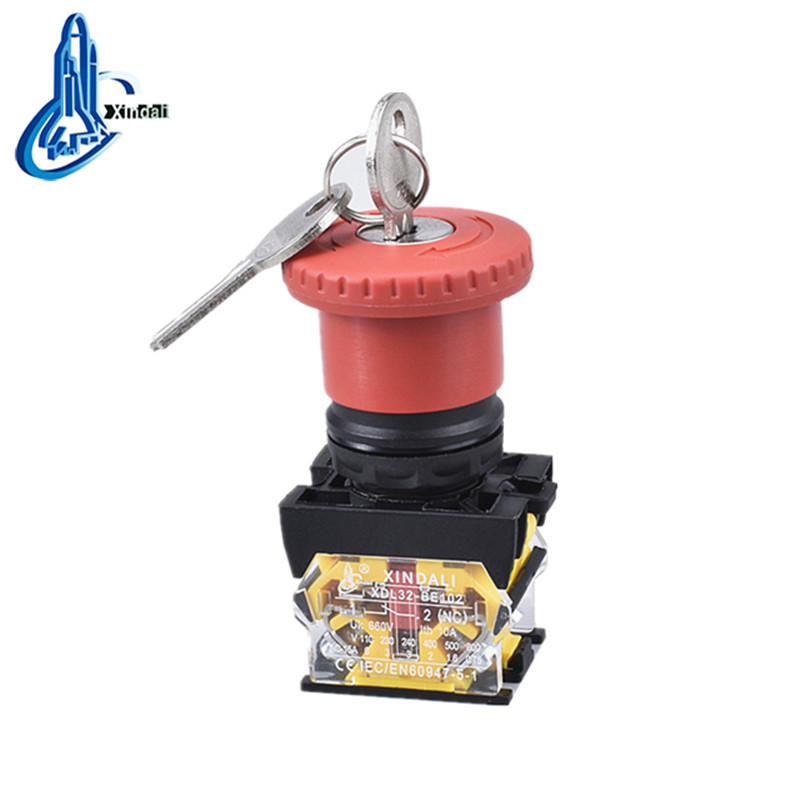
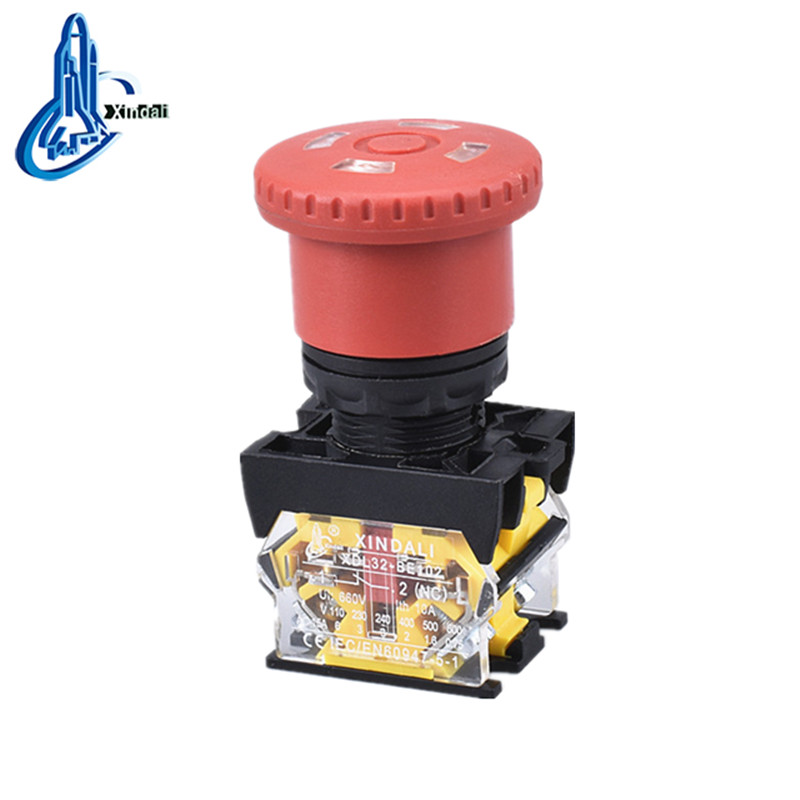
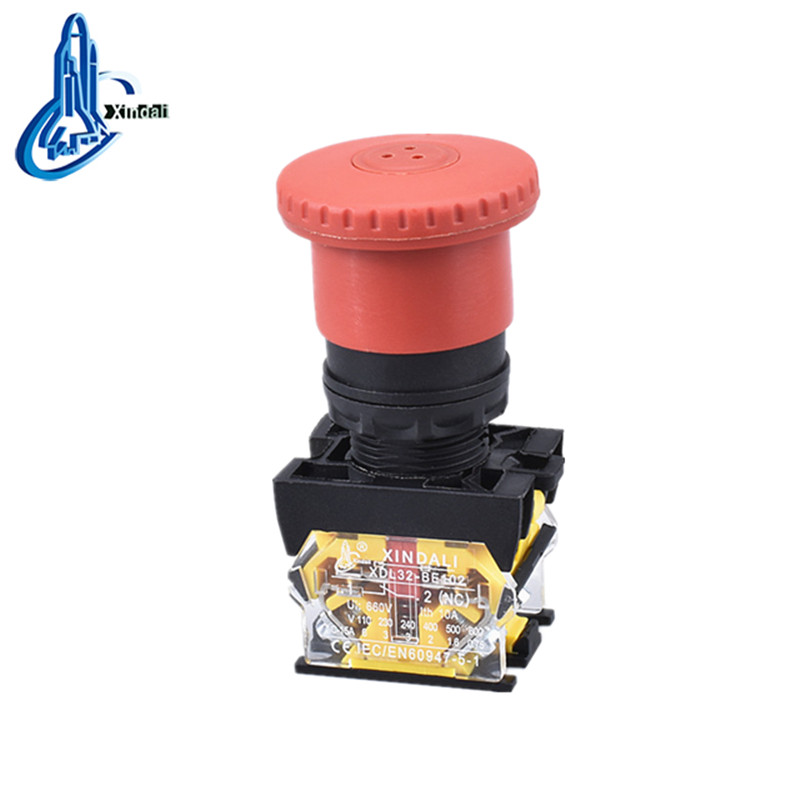
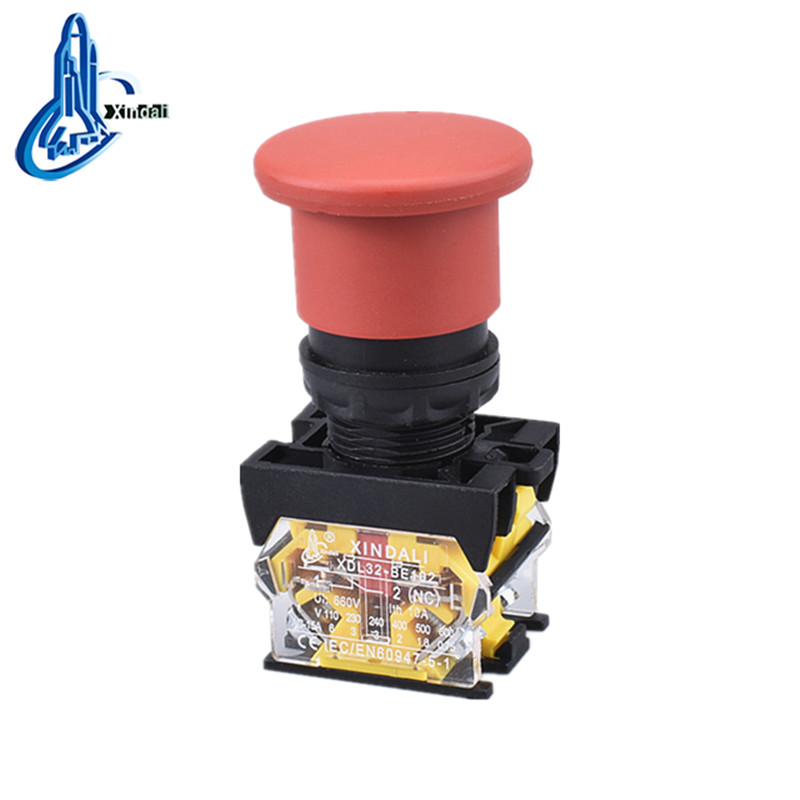
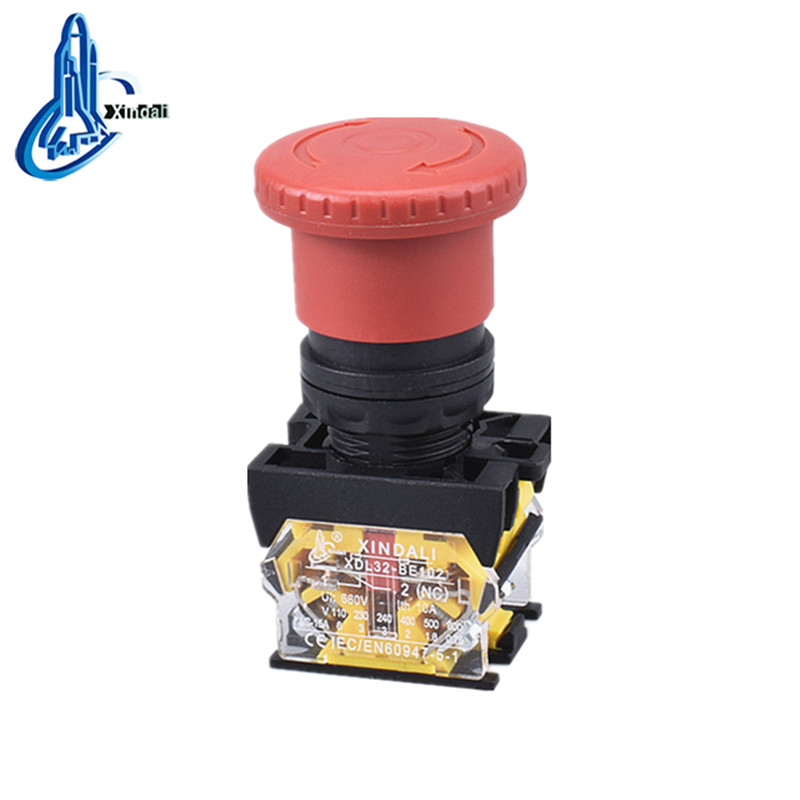
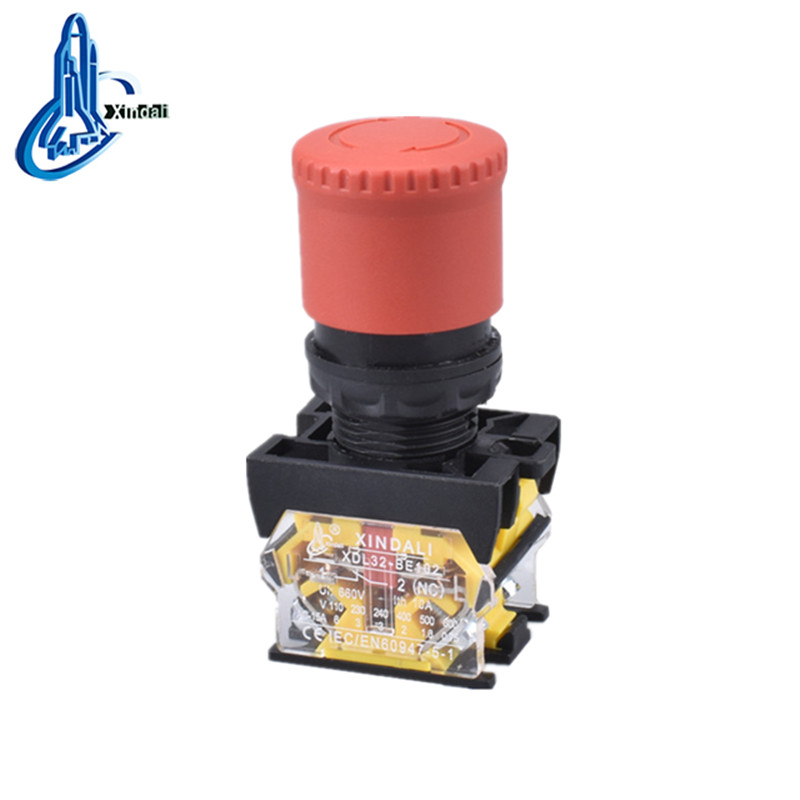
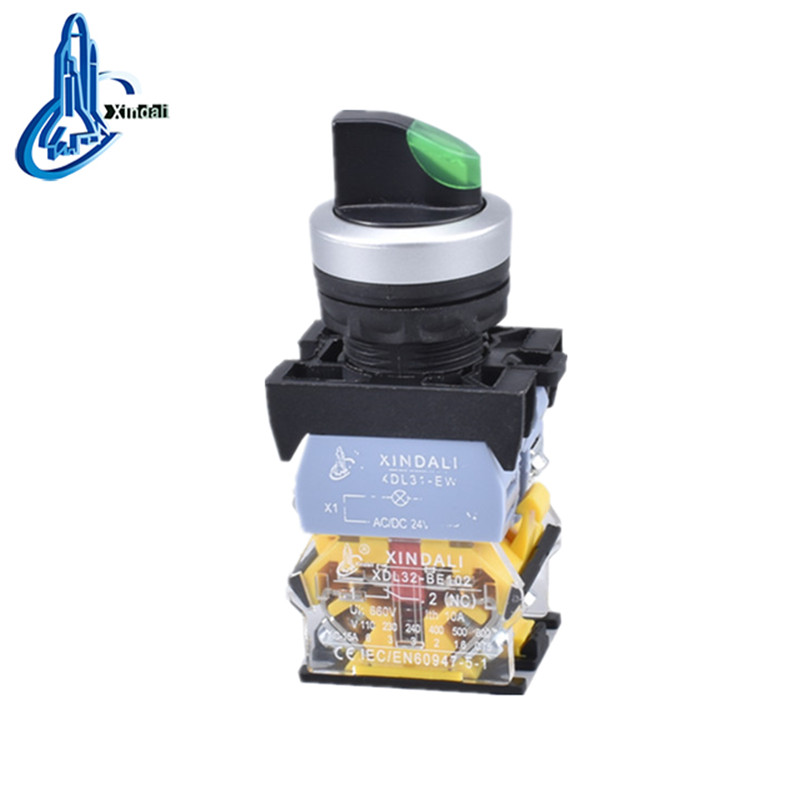
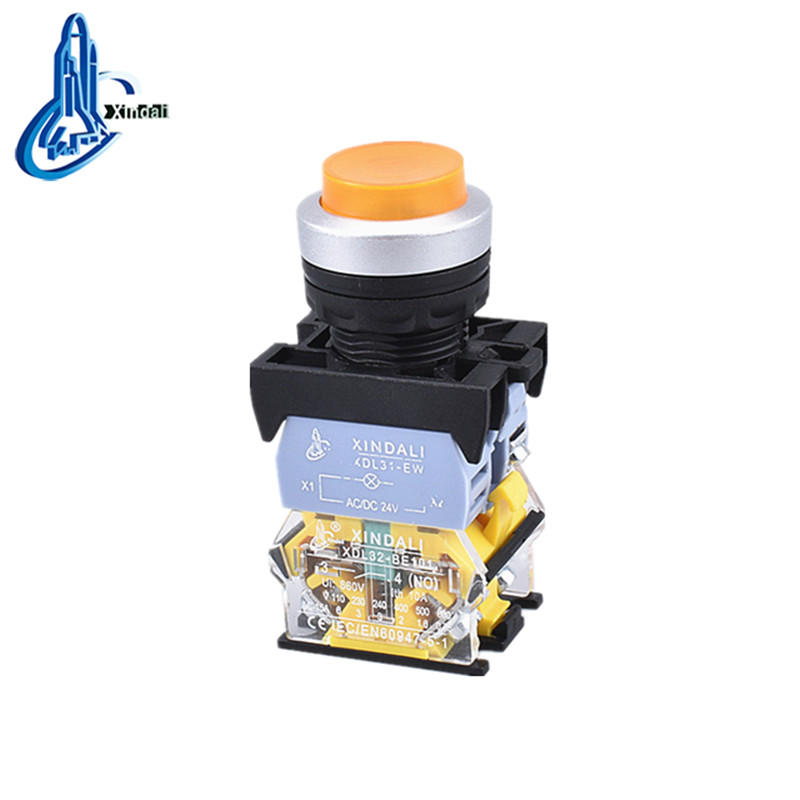
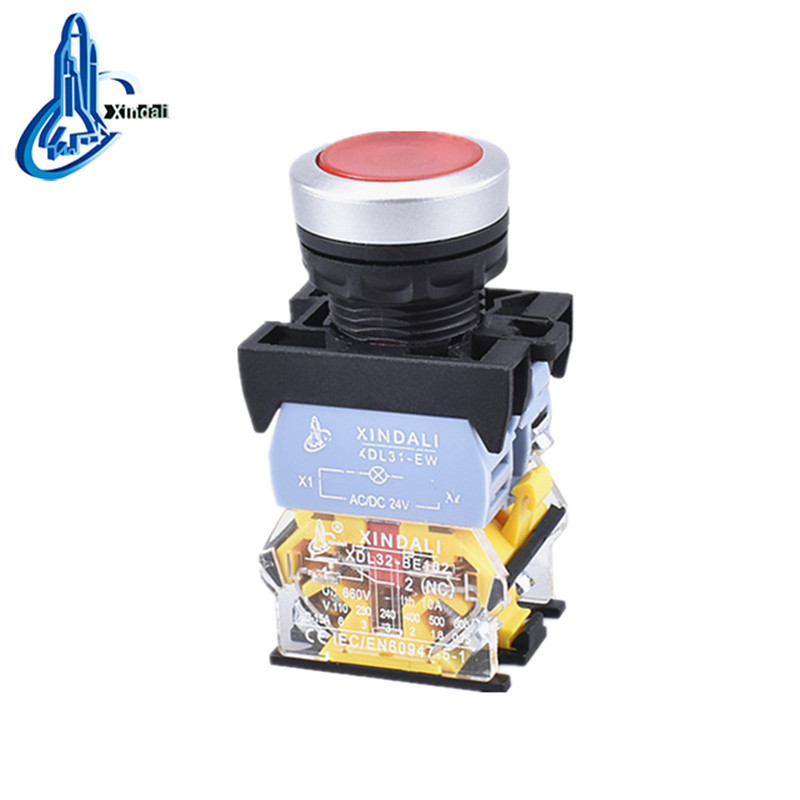
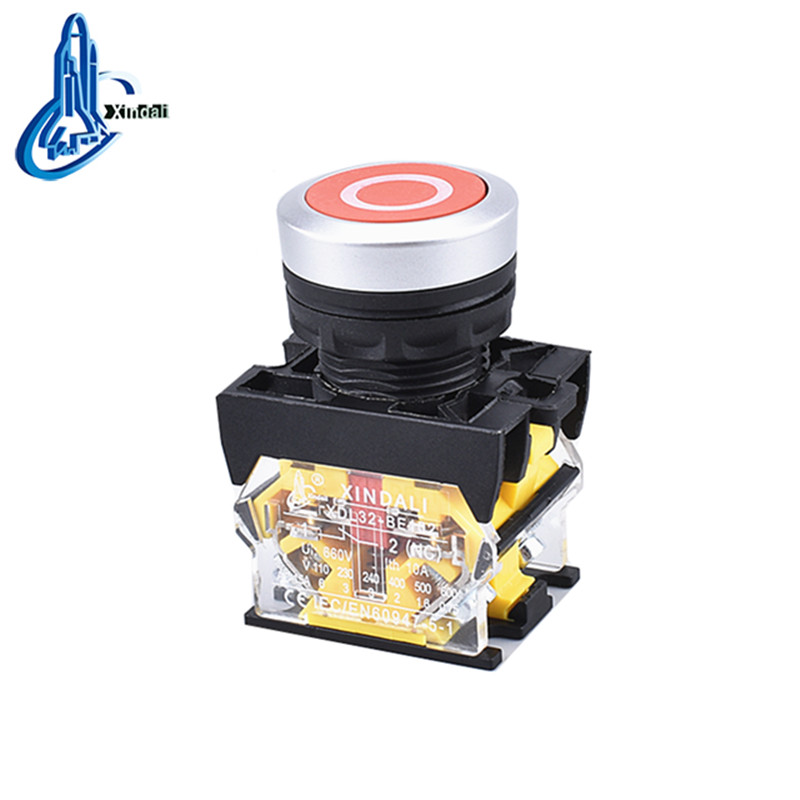
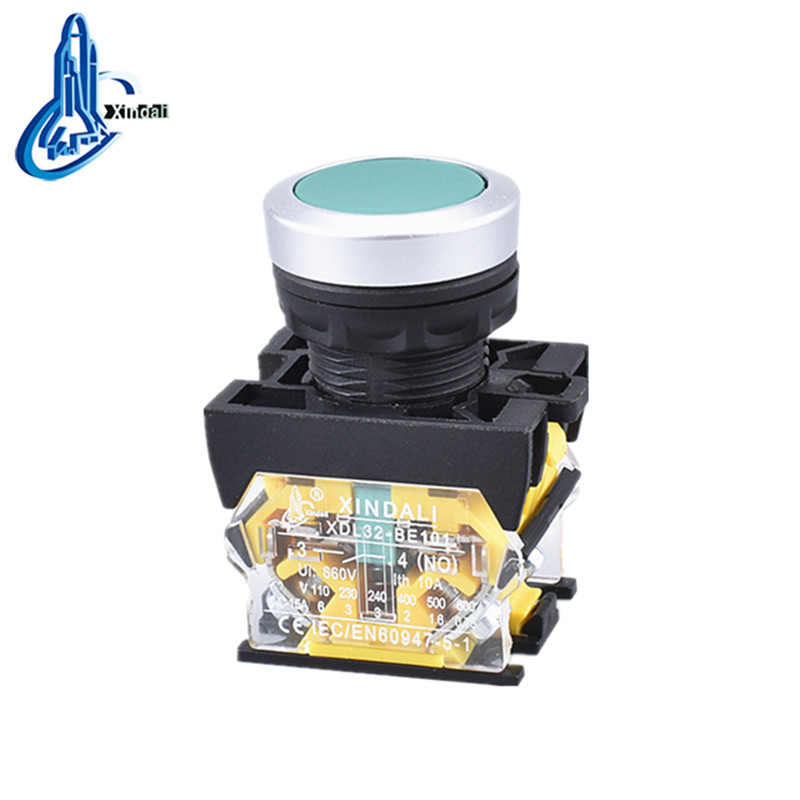
Push Button Switches
Source high-quality Push Button Switches in bulk from vetted manufacturers and suppliers. Designed for importers, electrical distributors, and brands requiring reliable OEM and ODM production, our factory-direct network ensures competitive pricing and strict quality control for your requirements.
Sourcing push button switches at scale requires precise alignment between the switch's mechanical endurance, electrical load capacity, and environmental sealing. A minor deviation in contact material or housing tolerance during mass production can lead to premature failure in the field, resulting in costly equipment downtime and warranty claims.
When buying in bulk directly from overseas manufacturers, success depends on clearly defining your technical specifications and ensuring the factory has the automated assembly and testing capabilities to maintain consistency across thousands of units.
Critical Specifications for Bulk Procurement
A push button switch is not a commodity; it is a critical mechanical interface. To get accurate quotes and avoid miscommunications with suppliers, your RFQ must detail the exact electrical and physical parameters.
Key Specifications to Define in Your RFQ
- Electrical Rating: Specify both voltage (AC/DC) and current (Amps) to ensure appropriate contact sizing.
- Contact Configuration: Define the pole and throw requirements (e.g., SPST, DPDT) and normal state (Normally Open / Normally Closed).
- Action Type: Clearly state whether the application requires momentary (spring return) or latching (push-on/push-off) actuation.
- Actuation Force: Measured in Newtons (N) or grams-force (gf). This dictates the tactile feel and prevents accidental triggering.
- Ingress Protection (IP Rating): Specify IP65, IP67, or IP68 if the switch will be exposed to dust, washdowns, or submersion.
Contact Materials and Application Match
The material used for the internal contacts is the single biggest driver of both cost and electrical reliability. Specifying the wrong contact material for your load type is a common sourcing error.
| Contact Material | Best For | Cost & Lifespan Impact |
|---|---|---|
| Silver Alloy | High current, mains voltage (power circuits) | Standard cost; prone to oxidation in low-use scenarios |
| Gold Plated | Low current, logic level, microcontrollers | Premium cost; prevents oxidation, exceptional reliability for data |
| Copper / Brass | Budget consumer electronics, toys | Lowest cost; shorter electrical lifespan under load |
Navigating component specifications and factory capabilities? We help align your technical requirements with the right manufacturing partner to ensure flawless execution.
Talk to our teamManufacturing Tolerances and Quality Control
The physical feel and mechanical life of a push button switch rely on precise plastic injection molding or metal CNC machining. Inconsistent housing dimensions lead to sticky buttons, while poor spring tempering results in a mushy actuation feel over time.
When evaluating a supplier, automated assembly is a strong indicator of capability. Manual assembly of small switch components often leads to variations in contact alignment and spring placement. Conducting thorough Factory Audits before placing a volume order allows you to verify the supplier's level of automation and their internal testing procedures.
Factory Testing Protocols to Demand
Ensure your manufacturer performs the following tests on every batch:
- Life Cycle Testing: Automated pneumatic pressing to verify mechanical life (often rated from 100,000 to over 1,000,000 cycles).
- Contact Resistance Testing: Ensuring the internal resistance remains under a specified milliohm threshold after sustained use.
- Dielectric Strength: Testing the insulation between the contacts and the outer housing to prevent dangerous shorts.
Implementing independent Quality Control & Inspection prior to shipment is vital. Catching a batch with faulty LED illumination or incorrect terminal plating before it leaves the factory saves significant capital and time.
Sourcing Realities: Pricing, MOQ, and Customization
Unit costs for push button switches are highly sensitive to order volume, materials (e.g., anti-vandal stainless steel vs. standard polycarbonate), and custom features like specific LED ring colors or custom laser-etched symbols.
If your product requires a unique form factor, specific actuation travel, or integrated wire harnesses, engaging a factory for OEM/ODM Services is the most efficient route. Custom tooling for plastic switch caps is relatively inexpensive, allowing brands to achieve a proprietary look without massive upfront investment.
Need accurate pricing and lead times for your specific switch configuration? Let our sourcing experts run a competitive RFQ with vetted manufacturers.
Get a free consultationFrequently Asked Questions
Securing a reliable supply chain for push button switches means looking past the lowest unit price and focusing on contact integrity, manufacturing consistency, and rigorous testing. A switch that fails in the field costs exponentially more in warranty claims than the fractions of a cent saved on substandard contacts.
Get Sourcing Help for Push Button Switches
Tell us your requirements and our experts will connect you with verified manufacturers.