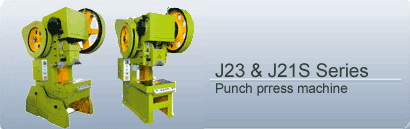
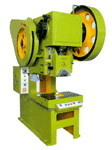
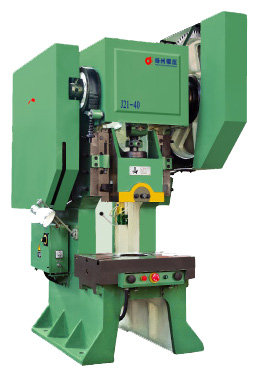
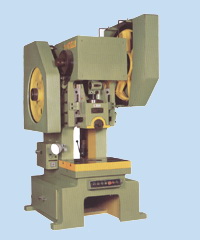
Punching Machines
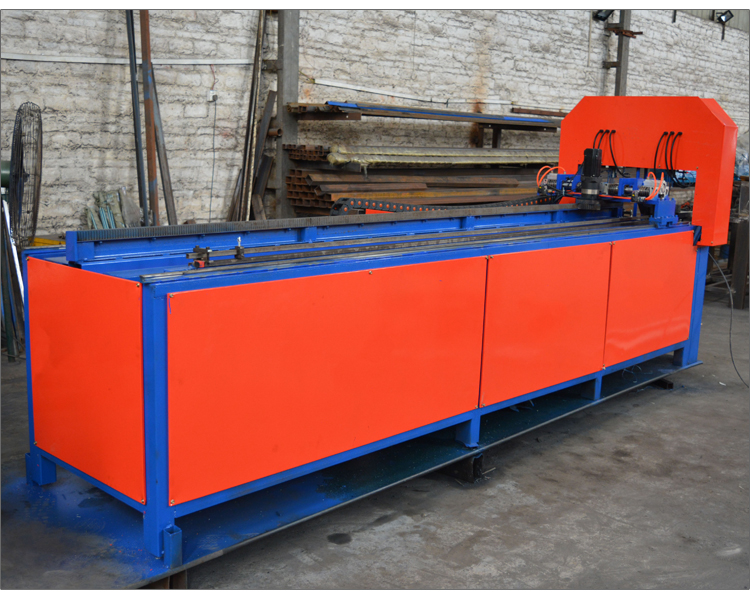
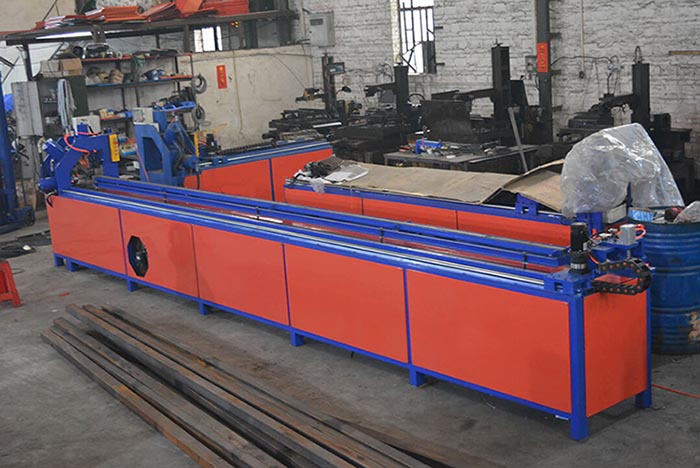
Source industrial punching machines directly from vetted manufacturers and suppliers. This catalog is built for machinery importers, distributors, and procurement managers looking for reliable, high-tonnage equipment and custom OEM production with competitive wholesale pricing.
Sourcing industrial punching machines requires balancing tonnage requirements with frame rigidity, stroke precision, and operator safety. The primary procurement challenge is not simply finding a supplier, but identifying a manufacturer with the in-house machining capabilities to guarantee ram alignment and bed flatness over millions of high-impact cycles.
Critical Specifications for Punching Equipment
When negotiating with machine tool manufacturers, precise specification of the mechanical and control systems determines the machine's operational lifespan. Relying on standard catalog specs often leads to substandard components in the final build.
- Nominal Force (Tonnage): Must be specified based on the material thickness and shear strength. Ensure the factory calculates force at the correct point in the stroke (typically a few millimeters before bottom dead center).
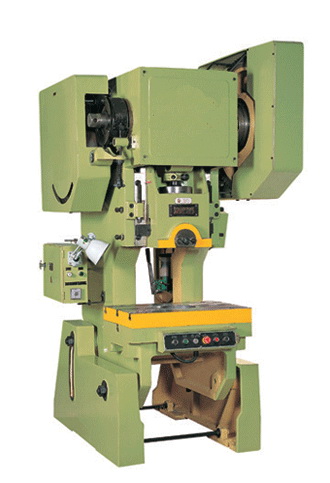
- Frame Construction: Cast iron frames offer superior vibration dampening for high-speed applications, while welded steel plates (often Q235 or Q345) provide excellent rigidity for heavy-duty, high-tonnage stamping. Welded frames must undergo thermal stress relief before final machining.
- Stroke and Speed: Strokes per minute (SPM) and stroke length dictate throughput. Variable speed motors paired with pneumatic clutches offer better control for continuous operations compared to rigid mechanical clutches.
| Frame Design | Primary Application | Deflection Resistance | Accessibility |
|---|---|---|---|
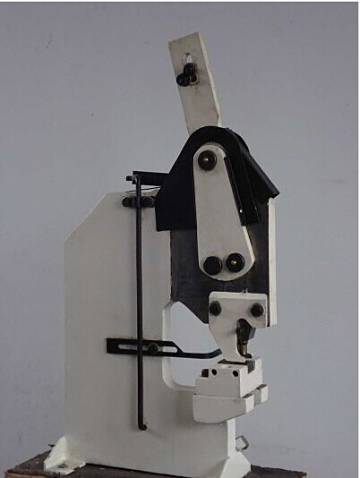
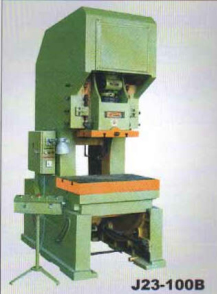
| C-Frame (Open Back) | General stamping, progressive dies | Moderate | Three-sided access |
| H-Frame (Straight Side) | High tonnage, precision blanking | Maximum | Front and rear only |
Need help verifying a machine tool factory's true manufacturing capabilities?
Talk to our teamManufacturing Tolerances and Quality Control
The difference between a tier-one machine and a budget alternative lies in the machining of the frame and the quality of the electrical components. Many export-oriented factories assemble machines using outsourced frames. Conducting proper factory audits is essential to verify whether the supplier possesses the heavy CNC gantry milling machines required to process the frame in a single setup, which is critical for alignment.
Critical Inspection Points
- Ram guide clearance and parallel alignment to the bolster plate.
- Clutch and brake engagement response times under load.
- Functionality of dual-valve safety systems and light curtains.
- Verification of CE/UL certified electrical contactors and PLCs.
- Vibration levels at maximum strokes per minute.
Implementing rigorous quality control prior to shipment is non-negotiable. Runout tests and stamping trials using your specific die parameters should be recorded and analyzed before the machine is crated.
Pricing, Lead Times, and Logistics
Punching machines are capital-intensive investments. Pricing is heavily influenced by the cost of raw steel, the origin of the control systems (e.g., Japanese or German PLCs vs. domestic equivalents), and the clutch mechanism.
- MOQ: Minimum order quantities are typically 1 unit for heavy H-frame or high-tonnage C-frame machines. Lighter mechanical presses (under 40 tons) may require an MOQ of 2 to 3 units for custom branding.
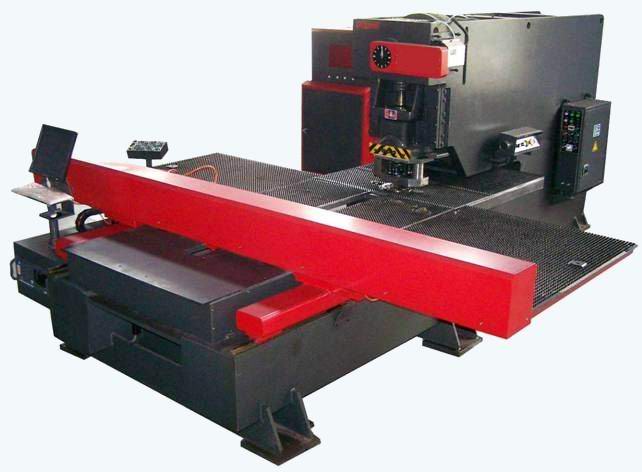
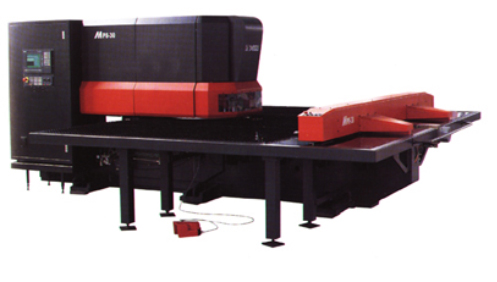
- Lead Times: Standard pneumatic punching machines usually require 30 to 45 days for production. Custom configurations, specialized CNC turrets, or machines exceeding 200 tons generally extend lead times to 60 to 90 days.
- Freight: Due to their concentrated weight and irregular dimensions, these machines often require specialized shipping and freight solutions, such as flat rack containers or open-top loading, which significantly impacts landed costs.
Optimize your heavy machinery logistics and procurement strategy.
Get a free consultationFrequently Asked Questions
Successfully importing punching equipment requires moving beyond basic specifications to scrutinize the supplier's supply chain and machining tolerances. A well-vetted manufacturer ensures your machinery investments deliver consistent precision without unplanned downtime.
Get Sourcing Help for Punching Machines
Tell us your requirements and our experts will connect you with verified manufacturers.